
Breastfeeding represents one of the most intimate connections between mother and child, yet modern life often demands flexibility that direct nursing alone cannot provide. Breast pumps have evolved from simple manual devices to sophisticated systems that support mothers in maintaining their milk supply while balancing work, travel, and personal needs. Understanding the technology, features, and practical considerations behind these essential tools empowers you to make informed decisions that align with your specific circumstances. Whether returning to work after maternity leave, building a supply for emergencies, or seeking relief from engorgement, the right pumping solution can transform your breastfeeding experience from stressful to sustainable.
Types of Breast Pumps and Their Applications
Manual breast pumps operate through hand-powered suction, offering portability and silent operation without requiring electricity or batteries. These lightweight devices work well for occasional pumping sessions or as backup options when traveling. While they demand more physical effort and time compared to electric alternatives, manual pumps provide complete control over suction strength and rhythm, which some mothers find more comfortable during early postpartum days when sensitivity remains high.
Electric breast pumps deliver consistent suction through motorized mechanisms, significantly reducing the time and effort required for each session. Single electric pumps express milk from one breast at a time, while double electric models allow simultaneous pumping that cuts session duration in half while stimulating increased milk production through bilateral letdown response. Hospital-grade pumps offer the strongest suction and most durable construction, designed for multiple daily sessions over extended periods.
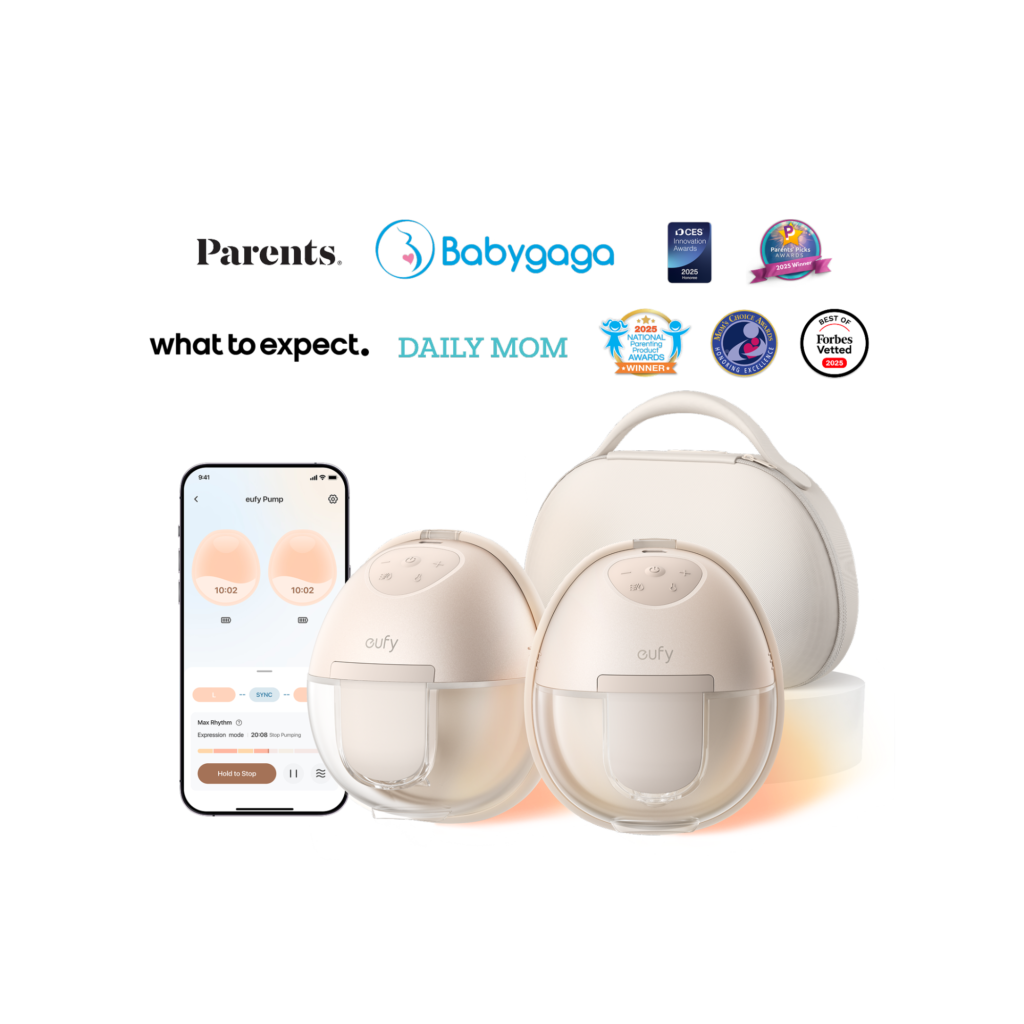
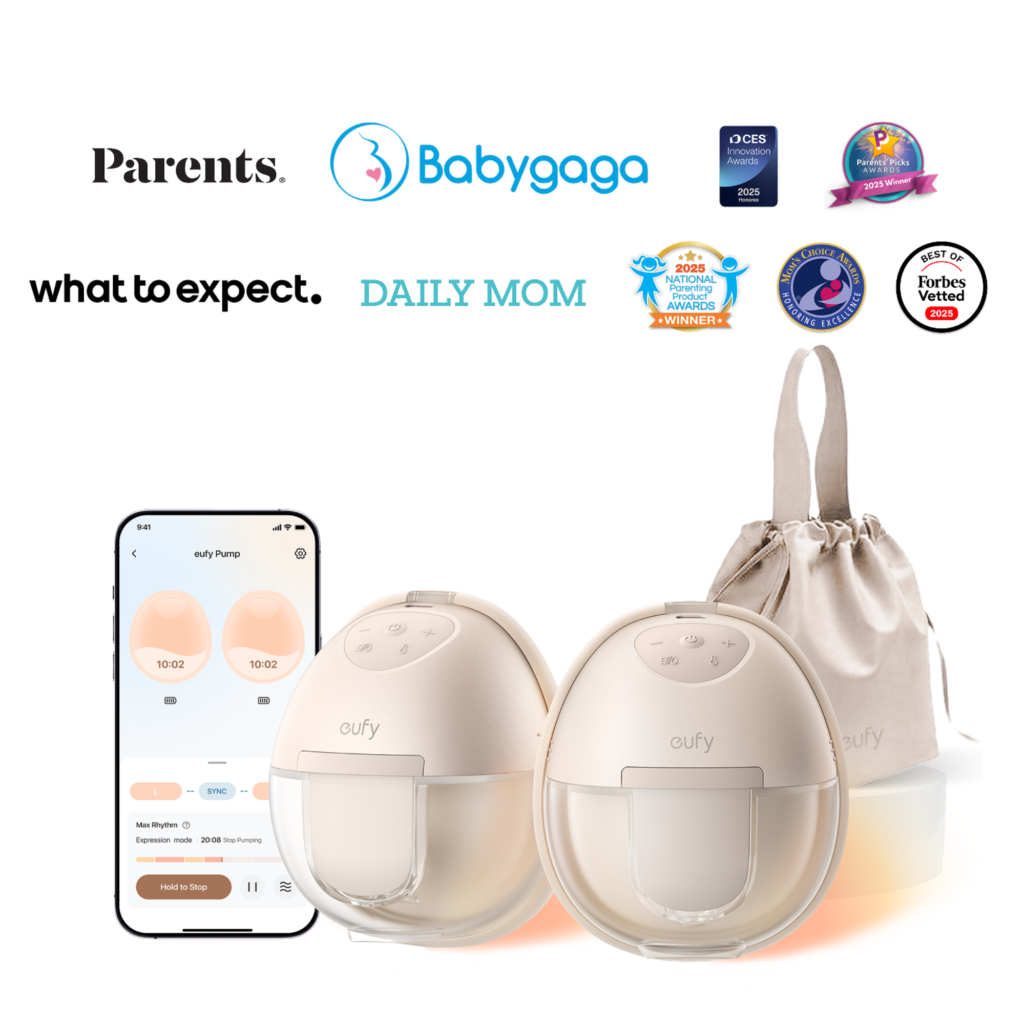
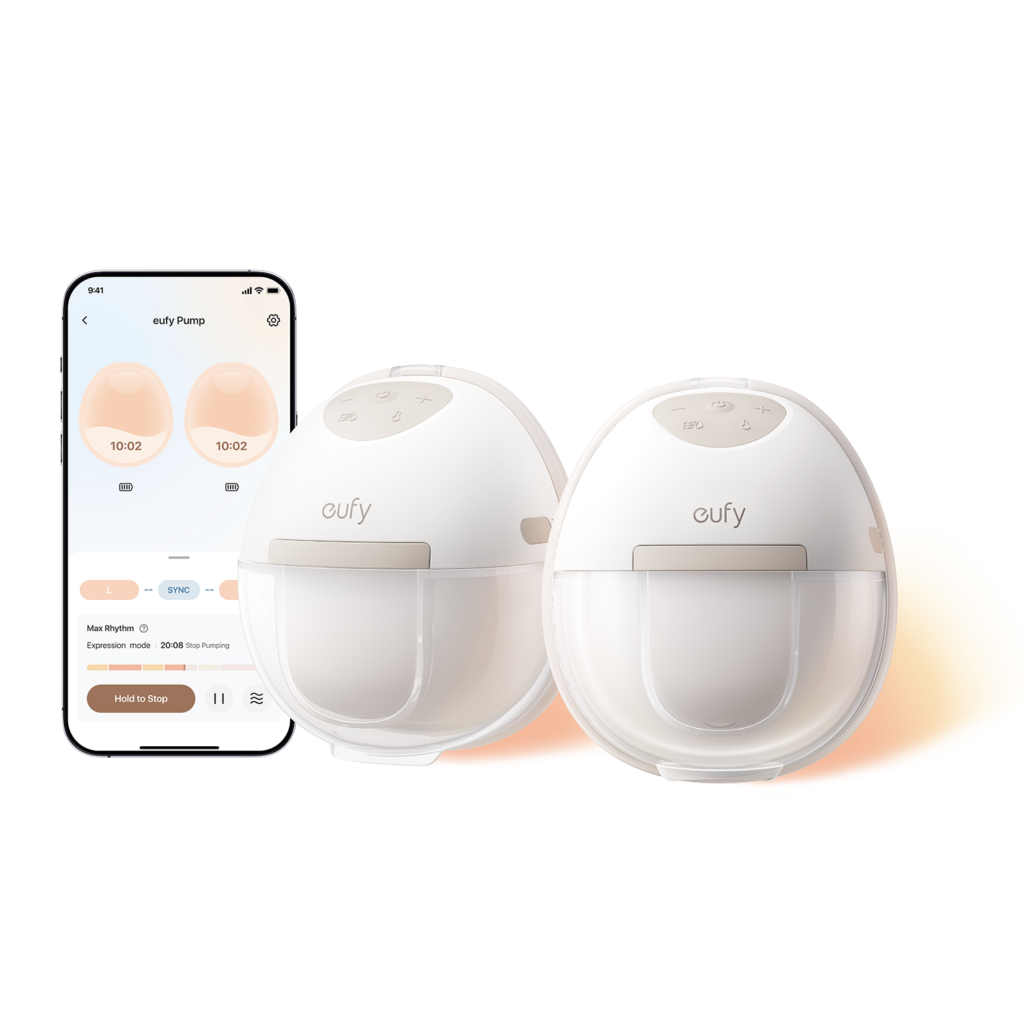
Wearable breast pump technology represents the latest innovation, fitting discreetly inside your bra to collect milk while you move freely through daily activities. These hands-free systems eliminate the need to remain stationary during pumping, allowing you to work, care for older children, or complete household tasks simultaneously. The convenience factor makes maintaining a pumping schedule far more manageable for busy mothers juggling multiple responsibilities.
Key Features That Impact Performance
Suction strength and cycling speed determine how effectively a pump mimics natural nursing patterns. Adjustable settings accommodate different comfort levels and milk flow characteristics throughout your breastfeeding journey. Early postpartum, gentler suction prevents discomfort while your body adjusts. As supply establishes, stronger settings may help maintain output during demanding work schedules. The ability to customize both suction and speed independently ensures the pump adapts to your changing needs rather than forcing you into preset patterns.
Flange sizing plays a crucial role in comfort and milk extraction efficiency. Incorrectly sized flanges cause nipple pain, reduced output, and potential tissue damage over time. Measure your nipple diameter after nursing when tissue has expanded to its typical pumping size. The flange tunnel should allow your nipple to move freely without excessive areola pulling into the tunnel. Many mothers require different sizes for each breast, and sizes may change as your body adapts to regular pumping schedules.
Building and Maintaining Your Milk Supply
Establishing a consistent pumping routine signals your body to maintain milk production even when direct nursing decreases. Pumping every three to four hours during work hours mimics your baby’s natural feeding pattern, preventing uncomfortable engorgement while sustaining supply. Morning sessions typically yield higher volumes due to overnight hormone accumulation, making this an ideal time for building freezer reserves. Power pumping techniques, where you cycle between pumping and rest in short intervals, can boost production when facing supply challenges.
Quality brands like eufy incorporate features that support natural milk letdown, such as expression modes that begin with gentle stimulation before transitioning to stronger extraction. This two-phase approach mirrors how babies nurse, starting with quick, light sucking to trigger letdown followed by deeper, slower pulls to drain the breast effectively. Proper letdown makes the difference between frustrating, low-yield sessions and efficient milk collection that keeps your supply robust.
Cleaning and Sterilization Protocols
Maintaining hygiene standards protects your baby from bacterial contamination while preserving pump component longevity. After each use, disassemble all parts that contact milk and rinse immediately with cool water to prevent protein buildup. Wash components in hot soapy water or run them through the dishwasher top rack if marked dishwasher-safe. Allow pieces to air dry completely on a clean towel rather than using dish towels that might harbor bacteria.
Sterilization frequency depends on your baby’s age and health status. Newborns and premature infants require daily sterilization of all pump parts through boiling, steam bags, or electric sterilizers. Healthy infants beyond three months need sterilization only weekly, with thorough washing sufficient for daily maintenance. Replace worn tubing, valves, and membranes according to manufacturer recommendations, typically every three to six months, as degraded parts reduce suction efficiency and may introduce contamination risks.
Practical Considerations for Working Mothers
Returning to work requires strategic planning to maintain your pumping schedule without disrupting professional responsibilities. Federal law mandates break time and private space for pumping in most workplaces, though implementation varies. Communicate your needs with supervisors before returning, identifying a clean, private room with electrical outlets and comfortable seating. Avoid bathrooms, which fail sanitary standards for food preparation and collection.
Portable coolers with ice packs keep expressed milk safe until you reach home, eliminating concerns about refrigeration access during commutes. Label collection bottles with date and time, storing oldest milk toward the front of your freezer to ensure proper rotation. Building a small freezer stash before returning to work provides backup for unexpectedly busy days when pumping sessions might run short or get delayed by urgent meetings.
Troubleshooting Common Pumping Challenges
Low milk output during pumping sessions frustrates many mothers who successfully nurse but struggle to extract adequate volumes with mechanical devices. Massage your breasts before and during pumping to encourage letdown and complete drainage. Looking at photos or videos of your baby while pumping triggers hormonal responses that facilitate milk flow. Ensure your flange size remains correct, as tissue changes over time may require adjustment even mid-journey.
Nipple pain or damage signals improper technique or equipment issues requiring immediate attention. Reduce suction strength if discomfort occurs, as pain inhibits letdown and damages tissue. Apply lanolin or hydrogel pads between sessions to promote healing. If pain persists despite adjustments, consult a lactation specialist who can assess your technique and equipment fit to identify the underlying cause preventing comfortable pumping.
Storage and Handling of Expressed Milk
Proper storage preserves the nutritional and immunological properties that make breast milk uniquely valuable. Freshly expressed milk stays safe at room temperature for up to four hours, in the refrigerator for four days, and in a standard freezer for six months. Deep freezers maintain quality for up to twelve months. Store milk in small portions matching typical feeding amounts to avoid waste from thawed milk that cannot be refrozen.
Thaw frozen milk gradually in the refrigerator overnight or by placing the container in warm water. Never microwave breast milk, as uneven heating creates hot spots that can burn your baby while destroying beneficial antibodies and enzymes. Swirl thawed milk gently to recombine separated fat layers rather than shaking vigorously, which can break down proteins. Use thawed refrigerated milk within twenty-four hours, and discard any milk remaining in the bottle after feeding since saliva introduces bacteria that multiplies during storage.
Supporting Your Breastfeeding Success
Selecting and using a breast pump effectively requires understanding both technology and your personal needs throughout different phases of your breastfeeding journey. The right equipment combined with proper technique transforms pumping from an overwhelming obligation into a manageable routine that supports your goals while accommodating life’s demands. Whether exclusively pumping, supplementing direct nursing, or building reserves for occasional separations, quality pumping tools provide the flexibility modern mothers need without sacrificing the irreplaceable benefits of breast milk for their babies’ development and health.