
Every fleet of connected sensors, trackers, or meters depends on one thing that rarely gets attention until it fails: the connection itself. Teams spend months perfecting hardware and firmware, then discover that keeping hundreds or thousands of devices online across different regions is its own engineering problem. A dropped connection on a single device might be a minor annoyance. A dropped connection across an entire deployment is a business risk.
This is where the right connectivity foundation matters. Devices built for remote or unattended operation need a data path that behaves predictably, scales without renegotiation, and doesn’t require a technician on-site to fix. Getting this right early saves far more time than troubleshooting it later, especially once a deployment moves from a pilot of a few units to a rollout spanning multiple states or countries.
The Hidden Complexity Behind IoT Connectivity
Consumer mobile plans are built around one assumption: a person is actively using a phone, checking signal bars, and switching networks manually if something goes wrong. IoT devices don’t have that luxury. A soil sensor buried in a field or a tracker mounted on a shipping container can’t tap “refresh” when a tower goes down. The connection either works automatically or the device goes dark, and dark devices mean missing data, delayed alerts, and unhappy stakeholders.
Scale adds another layer of difficulty. Managing data usage, billing, and activation for a handful of devices is simple with a spreadsheet. Managing the same tasks across thousands of endpoints spread across different carriers and time zones requires tooling built specifically for machine connectivity, not human subscribers.
What Makes a Connectivity Solution Fit for Machines
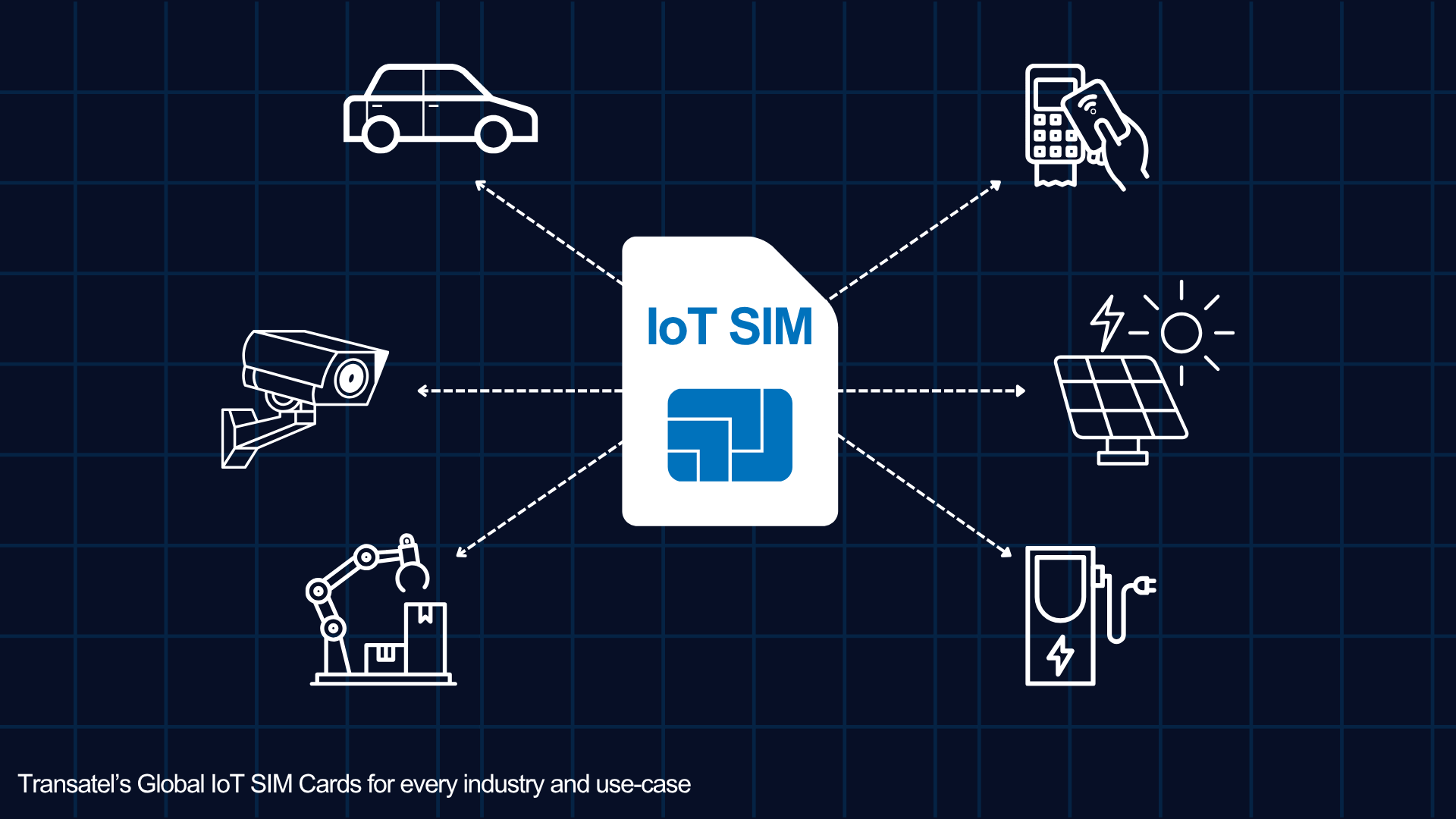
Purpose-built IoT SIM cards are designed around the realities of unattended hardware rather than smartphone habits. They typically skip voice and SMS entirely, since most machine deployments only need a stable data channel, and that simplification reduces both cost and points of failure. More importantly, they’re built to work across a pool of underlying carrier networks instead of locking a device to a single tower or provider.
That multi-network flexibility matters more than most teams realize until they deploy outside a home region. A device that only connects to one carrier’s towers is at the mercy of that carrier’s coverage gaps, maintenance windows, and congestion. A SIM designed for machine-to-machine use can often fall back to an alternate network automatically, so a temporary outage on one tower doesn’t translate into a permanent blind spot for the device.
Data-Only Design Reduces Overhead
Stripping unnecessary services out of a SIM profile isn’t just about cost savings. It also reduces the attack surface and simplifies diagnostics. When a data-only line misbehaves, engineers know exactly where to look, rather than untangling voice, messaging, and data logs to isolate a single dropped session.
Steps to Choosing the Right Connectivity Partner
Start by mapping where devices will physically operate, including any regions where units might travel or be relocated later. A tracker that stays in one warehouse has different needs than one riding along on a delivery truck crossing state lines. Next, estimate realistic data volume per device rather than guessing high or low, since usage patterns directly affect which plan structure makes sense.
After that, look closely at how the provider handles device management. A dashboard that shows connection status, usage trends, and simple activation controls saves engineering time that would otherwise go into manual troubleshooting. Finally, test failover behavior before committing to a large rollout. Pull a device out of range of its primary network path and confirm it reconnects on its own, since this single test reveals more about reliability than any spec sheet.
Where This Approach Pays Off Most

Asset tracking is one of the clearest examples. Containers, pallets, and vehicles move constantly and can’t depend on a single fixed network. Utility metering tells a similar story, with meters often installed in basements or rural areas where one carrier’s signal is weak but another’s is strong. Security and environmental monitoring systems benefit as well, since a camera or sensor that silently loses connectivity for hours can mean a missed incident rather than just an inconvenience.
Teams working with providers like Eiotclub often find that this network flexibility becomes the deciding factor once a project scales past its initial pilot phase, since the cost of a connectivity gap grows in direct proportion to how many devices depend on that same link.
Building Connectivity That Doesn’t Become an Afterthought
Reliable machine connectivity isn’t something to bolt on after a device is already deployed. It needs to be planned alongside hardware and firmware decisions, with realistic expectations about coverage, data volume, and failover behavior. Devices that stay online without manual intervention free up engineering time for the work that actually differentiates a product.
Whether the deployment involves ten sensors or ten thousand, the same principles apply: choose connectivity built for machines, verify failover before scaling, and keep visibility into usage patterns as the fleet grows. That groundwork pays for itself the first time a network hiccup happens somewhere far from anyone who could physically intervene.