
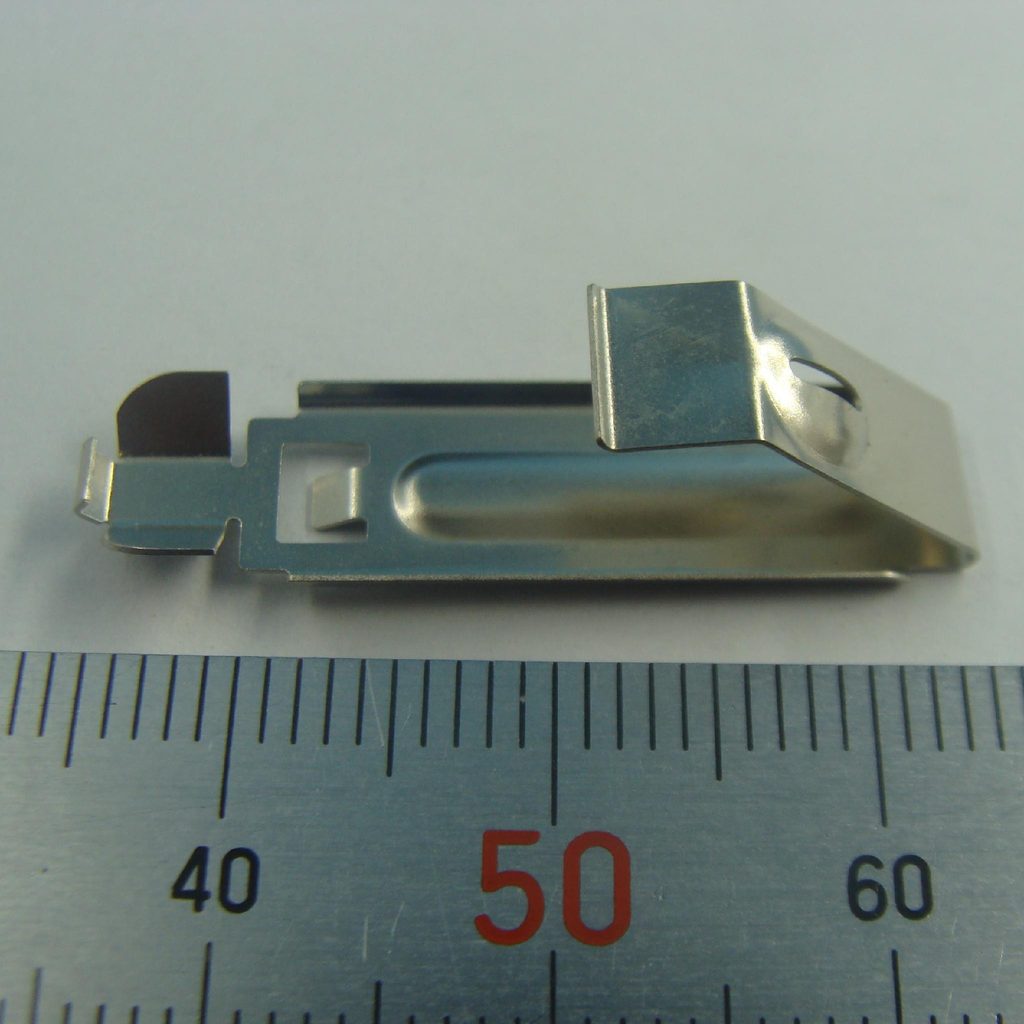
For all the excitement about advanced materials, carbon steel still does the heavy lifting in manufacturing. It is strong, cheap, weldable, and available everywhere — which is why stamped carbon steel parts outnumber every alternative by a wide margin. Here is what makes it the default choice and how to get the most from it.
Strength per Dollar: The Core Argument
No other engineering material matches carbon steel’s strength-to-cost ratio. Where aluminum saves weight and stainless resists corrosion, carbon steel simply delivers the most mechanical performance per dollar spent. For brackets, housings, structural components, and anything where the part hides inside a product, that economics is decisive. Providers of steel stamping services move enormous volumes precisely because the value equation is so hard to beat.
Grades and What They Mean
Low-carbon steels (under 0.3% carbon) are the deep drawers — soft, ductile, and forgiving in complex dies. Medium-carbon grades trade some formability for higher strength in load-bearing parts. High-carbon and alloy steels serve springs, blades, and wear components. The grade must match both the forming severity and the service loads; this is standard engineering discussion with any competent source of steel stamping services, not exotic knowledge.
Finishes That Extend Steel’s Life
- Zinc plating: economical corrosion protection for indoor and mild environments.
- Hot-dip galvanizing: heavy-duty protection for outdoor and structural parts.
- Powder coating: color plus a tough barrier in one step.
- Black oxide: minimal dimensional change with mild corrosion resistance and a clean look.
- E-coat: uniform coverage even in recesses, popular in automotive.
Where Carbon Steel Stamping Dominates
Automotive stampings — body panels, brackets, reinforcements — remain overwhelmingly steel. Appliances, agricultural equipment, construction hardware, and electrical enclosures follow the same logic: when strength and cost matter more than weight savings, steel wins. Even in electrified products, the structural skeleton is usually stamped carbon steel while lighter materials handle the skin.
Getting the grade, finish, and tolerances right is routine work for experienced shops — which is why manufacturers with demanding applications put their steel stamping services with suppliers who understand the material, not just the press.
Welding and Joining Stamped Steel Parts
Stamping rarely produces a finished assembly alone — parts get welded, riveted, or fastened into larger products. Carbon steel’s weldability is one of its great strengths: MIG, TIG, spot, and laser welding all work well with the right parameters. Design for joining from the start by including weld flanges, consistent gaps, and access for electrodes or torches. Surface finish matters here too: weld through primer or light oil is fine, but heavy galvanizing needs preparation to avoid weld defects. Suppliers experienced in steel stamping services routinely advise on joint design because they have seen which geometries weld cleanly and which cause headaches on the line. Many buyers consolidate welding and stamping with a single provider of steel stamping services to keep accountability simple and lead times short.
What Drives Cost in Steel Stamping
Material is typically the largest cost component, which makes nesting efficiency and scrap rates critical — a few percentage points of utilization swing the unit price noticeably. Tooling amortization spreads across the production volume, rewarding larger runs. Secondary operations add up fast: every extra handling step costs more than it appears. Tolerance strictness is a quiet cost driver; holding ±0.02 mm where ±0.1 mm would function is money spent on nothing. Understanding these levers lets buyers have productive conversations with their steel stamping services provider about where savings are real and where they are illusory.
Steel vs Alternatives: When to Switch Materials
Steel is the default, but not always the answer. Switch to aluminum when weight savings justify the premium — typically in transportation or portable products. Consider stainless when corrosion would destroy carbon steel despite coatings, as in food processing or marine environments. Engineering plastics can replace lightly loaded steel brackets while eliminating finishing steps. The discipline is to re-ask the material question periodically rather than defaulting forever. Good partners in steel stamping services will tell you honestly when a different material serves you better — that honesty is exactly why you keep them.
Applications Spotlight: Where Carbon Steel Stamping Shines
The sheer range of carbon steel stamping is easy to underestimate. In automotive, it forms everything from massive body panels to tiny brackets — often dozens of distinct steel stamping services feeding a single assembly plant. Appliance makers rely on stamped steel for washer drums, oven cavities, and refrigerator liners where the material’s formability and cost are unbeatable. Electrical enclosures, agricultural equipment, and construction hardware round out the heavy users. Even in high-tech products, the humble stamped steel bracket quietly holds everything together. Whenever an application needs strength at scale without exotic requirements, steel stamping services deliver — which is why the process remains the highest-volume metal forming method on the planet, decade after decade.
Design Tips for Steel Parts
Design with the material’s personality in mind: generous bend radii relative to thickness, uniform wall sections where possible, and tolerances tightened only where function demands it. Every unnecessary decimal place on a drawing adds cost. A quick design review with your stamping partner before tooling begins is the highest-ROI conversation in the whole project.