
Why Interview Hosts Use Audio Cutter AI to Find the Moment They Remember
After a strong interview, I often remember the answer but forget where it appeared. I can recall the guest explaining why a project failed, how a team made a difficult decision, or what changed after the first customer complaint. My notes capture the idea, yet the recording may be more than an hour long and the timestamp may be missing.
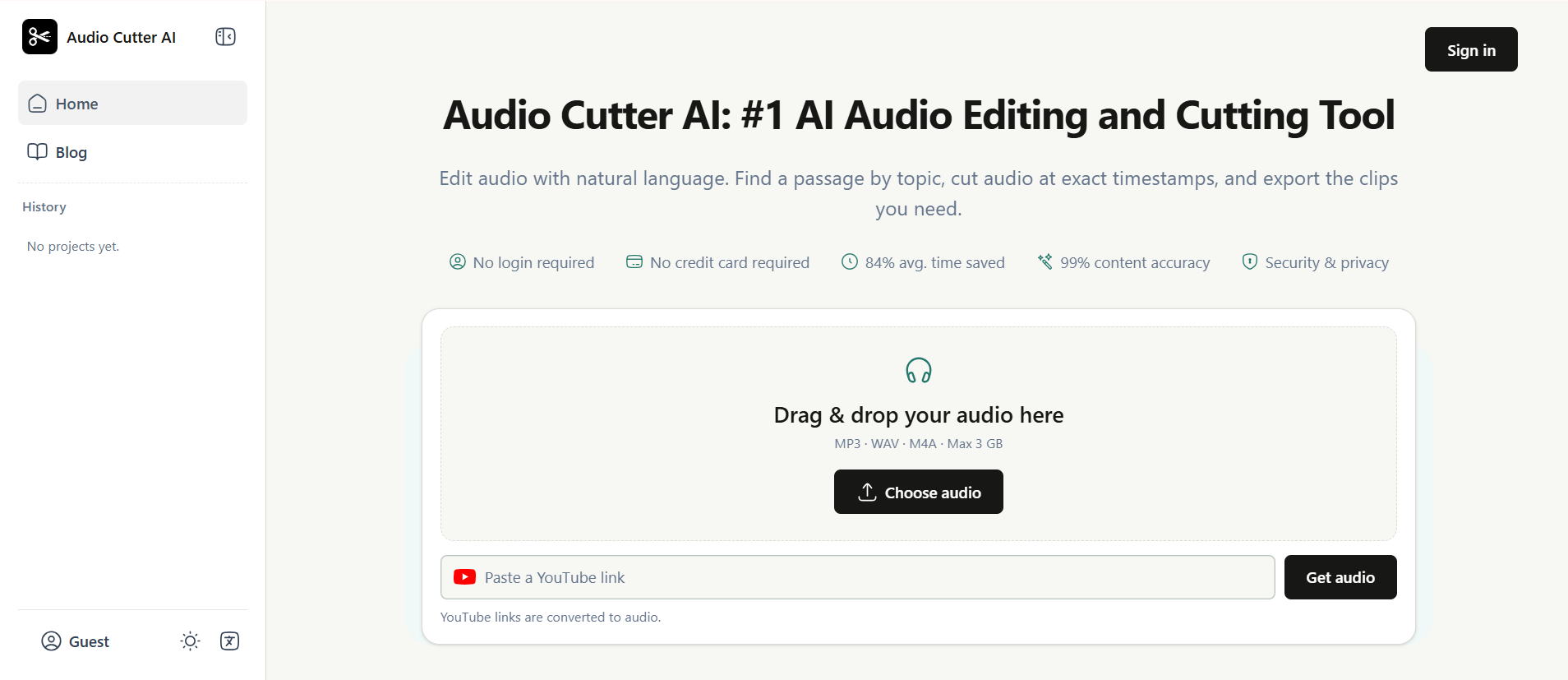
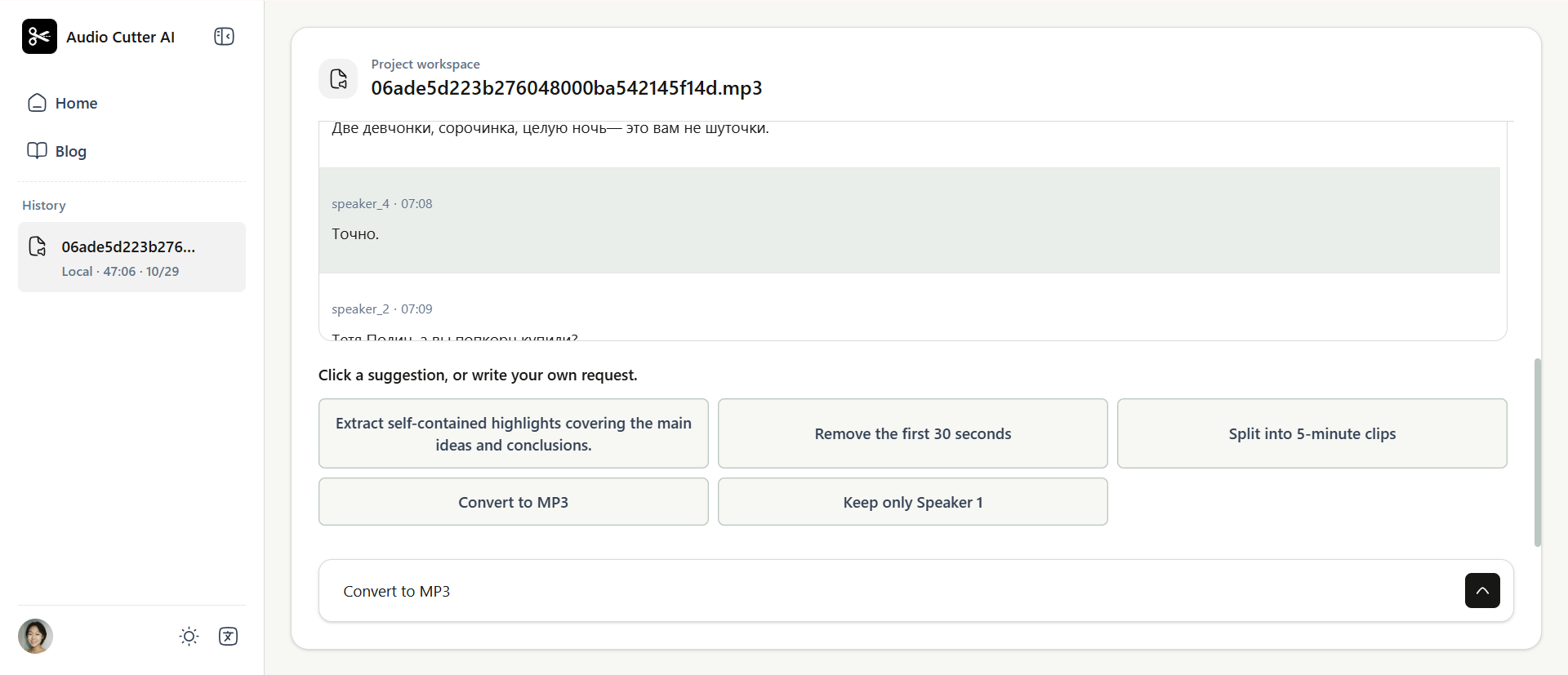
As an interview host, I use Audio Cutter AI to search for that remembered idea in natural language. I describe the passage, listen to the proposed selection, and refine the boundaries. This is faster than scrubbing through the recording, but it still requires me to check the answer in context.
Memory Usually Keeps the Meaning Not the Timestamp
Hosts listen differently during an interview. I am following the guest, planning the next question, and watching the time. When an unexpected answer appears, I may write a few words rather than a precise minute and second.
Those words are often semantic clues: “first pricing mistake,” “argument with cofounder,” or “lesson from failed launch.” A topic-based search matches the way I remember the conversation. I can start with the meaning and locate the audio afterward.
Writing a Better Search Request
Name the Speaker When It Matters
In a multi-person interview, I specify whose answer I want. This reduces confusion when the host and guest discuss the same subject.
Describe the Idea Not a Single Keyword
A broad word such as “marketing” may appear many times. A request such as “find where the guest explains why the first marketing plan failed” gives the search a clearer target.
Include the Stage of the Story
If the subject appears more than once, I add a detail such as “the first decision,” “the example about the European launch,” or “the final advice for new founders.” Small distinctions help separate similar passages.
Checking Whether the Result Is the Right Moment
The first result is a candidate, not an approval. I listen to the sentences before and after it. I check whether the guest is telling the story from personal experience, describing someone else’s view, or correcting an earlier statement.
I also verify names, numbers, and references against my notes. If the passage will be quoted or promoted, I want the clip to carry the same meaning it had during the full interview.
Refining the Clip for Its Destination
The right selection depends on where the clip will appear. A producer reviewing the episode may want the full answer. A show-page preview may need the question and a concise response. A social post needs a self-contained idea that can be understood without the entire conversation.
I adjust the start and end points with timestamps and preview the result again. If I need a shorter version, I preserve the setup and conclusion rather than cutting only for duration. A clip that saves five seconds but loses clarity is not an improvement.
Keeping a Record of the Source
Once the passage is approved, I use Audio Cutter AI to export it as an individual file. The filename includes the guest, topic, and version. My production notes record where the clip came from, and the original interview remains unchanged.
This source record is useful when a guest asks to review the excerpt or when the writing team needs to confirm a quotation. It also keeps similar clips from different interviews from being mixed together.
When I Prefer an Exact Timestamp
Natural-language search is helpful when memory is the only guide. If a producer or transcription note already gives me an exact range, I use it directly. Timestamps are also useful for removing a known interruption or extending a clip by a few seconds. The two approaches are complementary: topic search finds the passage, and timestamp editing gives me precise control over its boundaries.
What This Changes for Interview Production
Before topic-based search, a missing timestamp could turn one remembered answer into a long listening session. Now I can begin with the description already in my notes and move directly to a likely passage. The saved effort goes into checking the context and choosing the right boundaries.
The host’s memory is still part of the process. It provides the subject, story, and reason the moment matters. Audio Cutter AI(https://audiocutter.ai/) connects that memory to the recording, making it easier to recover the answer without guessing where it occurred.