
Every household that has ever considered a live pet knows the checklist. Food, vet visits, shed fur, chewed cables, the guilt of leaving it alone while you travel. A pet robot promises to strip that list down to almost nothing, and that is exactly why so many families are curious. But “no cleanup” is not the same as “no thought required.” A pet robot still has to fit your household’s routines, your space, and your expectations, or it ends up sitting on a shelf within a month. This article is a practical look at how to decide whether one belongs in your home, how to get it settled in smoothly, and how to keep it a genuine part of family life rather than an expensive ornament.
Deciding If a Pet Robot Fits Your Home
The honest starting point is not the device; it is your household. A pet robot suits some homes almost immediately and clashes with others in ways that are easy to predict if you know what to look for. Before buying, it helps to sort your situation into the kinds of households that tend to get real value from one, and the kinds that tend to get a novelty that fades.
The Households That Benefit Most
Families with young children often treat a pet robot as a gentler introduction to the idea of caring for something — a way to practice feeding a routine, paying attention, and being gentle, without the stakes of a live animal. People who work long hours but still want a bit of life in the apartment are another strong fit, because the device does not suffer when no one is home for ten hours. And older family members who want company but cannot take on a real pet find them genuinely useful. In each case the pattern is the same: a household that wants some presence and interaction, but where the full commitment of a live pet would be too much.
Where It Tends to Disappoint
The families that get the least from a pet robot are usually the ones expecting it to be a substitute for everything. If the plan is for the robot to entertain the kids all day, be the family pet in every sense, and require no effort, that expectation will not survive contact with reality. These devices are companions, not nannies and not pets in the full sense. The more modest and specific the goal — a bit of warmth during quiet hours, a small routine for kids to practice — the likelier it is to live up to the bill.
Getting It Settled In
The first week almost always decides whether a pet robot becomes a habit or a paperweight. Treat that stretch as a settling-in period and the odds improve sharply. The approach that works is the same one you would use with a new cat: keep it simple, keep it consistent, and do not flood it with attention right away.
Choose the Right Spot First
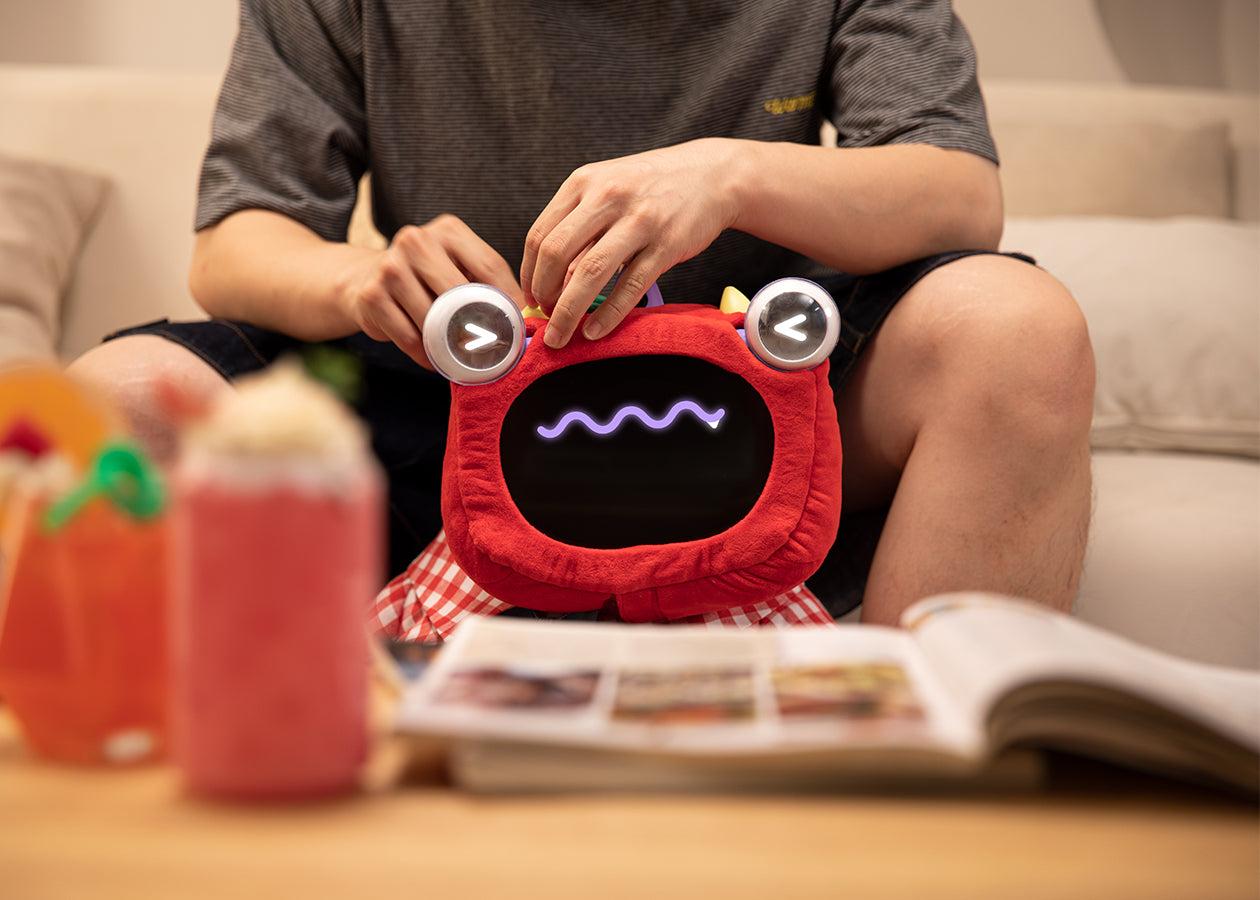
Placement matters more than people expect. The best spot is a place the family already passes through regularly — a living room side table, an entryway shelf — where the device is quietly part of the scenery rather than a thing you have to go visit. A device that lives in the room where you spend evenings, built like the pet robot from Ollobot, works precisely because it settles into that shared space instead of demanding a corner of its own. If you find yourself having to walk to it, you usually will not.
Give It a Role in the Household Routine
Families that succeed with a pet robot tend to assign it a clear, small job in the daily rhythm. It might be the thing that sits with the kids during homework, or the quiet presence that marks the start of dinner, or a bedside companion in the evening. A role gives the device a fixed place in memory, so it becomes part of the day rather than a gadget you notice occasionally. Let the job stay modest — if it needs to be a big production every evening, interest will fade fast.
Setting Expectations Before You Commit
The single biggest predictor of whether a pet robot lasts in a household is the expectation people carry into it. Families that buy one with a clear, modest idea of what it will do tend to be delighted; families that buy one expecting magic tend to be disappointed within weeks. Before you bring it home, it is worth sitting down and getting everyone on the same page about what this device is and is not.
The Difference Between Companion and Nanny
A pet robot can be a lovely presence for a child, but it is not a babysitter, and it is not a substitute for the attention of a parent. Kids enjoy it most when it is woven into time they already spend with family — a companion during homework, a calm presence at bedtime — rather than used to occupy them in place of company. When adults treat the device as a way to hand off supervision, kids pick up on the shift quickly and the robot loses its warm, shared quality. Kept as part of family time instead of a replacement for it, it stays something everyone values.
Keep the Safety Conversation Simple
If there are young children or older family members in the house, a short, calm conversation about the device goes a long way. Explain what it does, that it is not alive in the way a pet is, and how to handle it gently. There is no need to overcomplicate it — the goal is simply that everyone understands the device and treats it with ordinary care. Handled this way, the robot settles into the household without becoming either a mystery or a source of friction, and the whole family gets more out of it.
Keeping It Part of Family Life
What separates the households that keep a pet robot for years from the ones that resell it within weeks is not the device at all — it is whether the family keeps interacting with it. The novelty of a new gadget carries people for a month. What carries them beyond that is the small, repeated habit of noticing it, touching it, and letting it be part of the shared space.
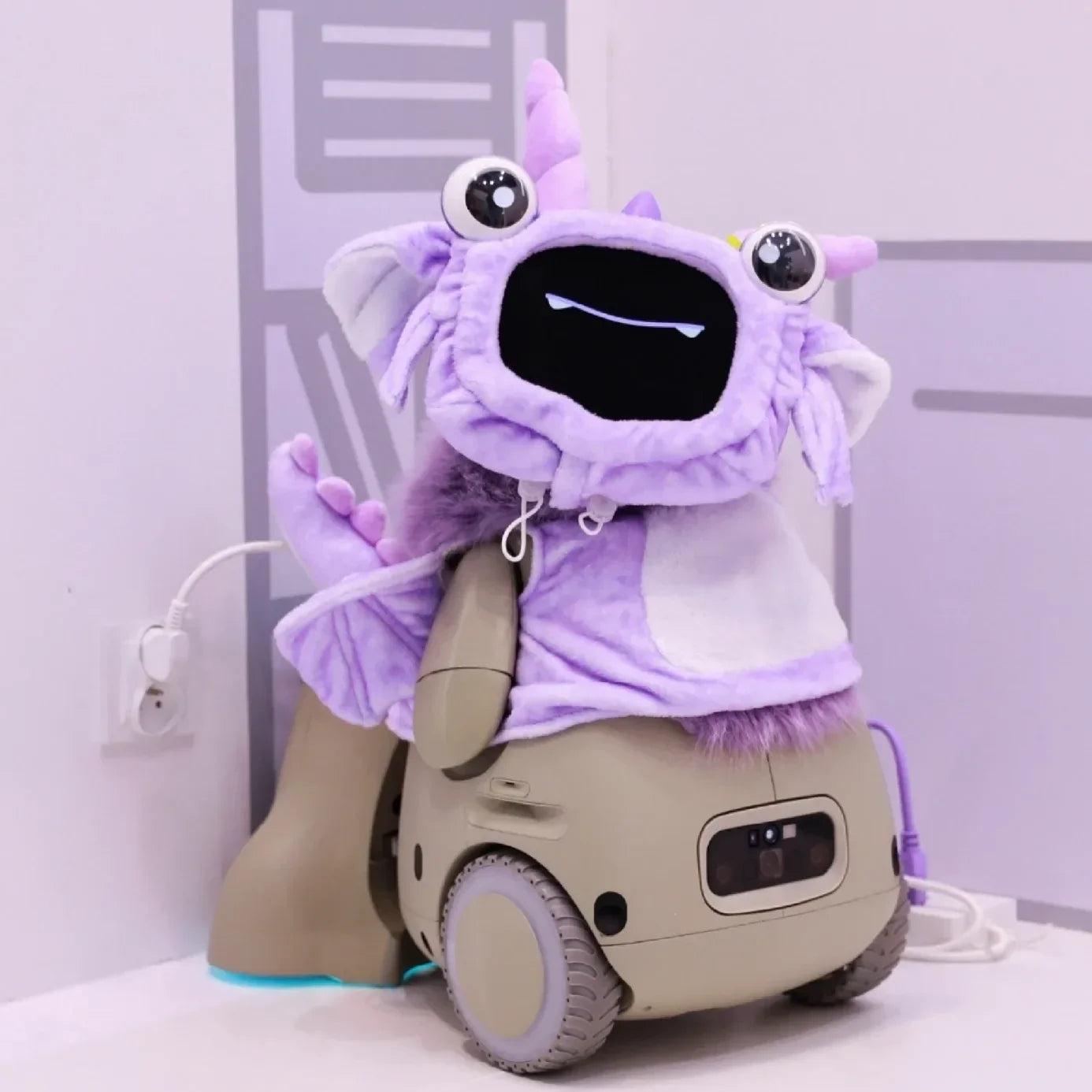
Parents often find it helps to make the device a conversation starter rather than a babysitter: a reason to talk about how a day went, or a calm focal point during a quiet afternoon. Kept in that role, it adds a little warmth to the routine without inflating its importance. Kept in the wrong role — as a way to hand off attention — it becomes background noise and gets ignored. The balance is unglamorous but reliable, and it is what makes a modest companion last.
It also helps to revisit the device every so often instead of letting it fade into the background for good. A small seasonal reset — moving it to a new spot, giving it a fresh role during a holiday or a change in routine — keeps the household noticing it. Families who treat the robot as a fixed, forgotten object lose interest; families who let it move with the rhythms of the year keep finding small reasons to interact. A modest companion stays alive in a home not because it does more, but because the people around it keep giving it a place in their days.
A Modest Companion for a Busy Household
A pet robot will not replace a dog, a cat, or the attention of the people you live with, and it does not need to. Its value is narrow and real: a bit of life in a quiet room, a small routine for kids to practice, a presence for the long hours when no one else is home. Decide whether your household genuinely wants that kind of quiet addition before you buy, give it a sensible spot and a small role, and keep it in proportion. Do those three things, and the device settles in the way good household things do — noticed less, relied on more, and oddly missed when it is not there.