
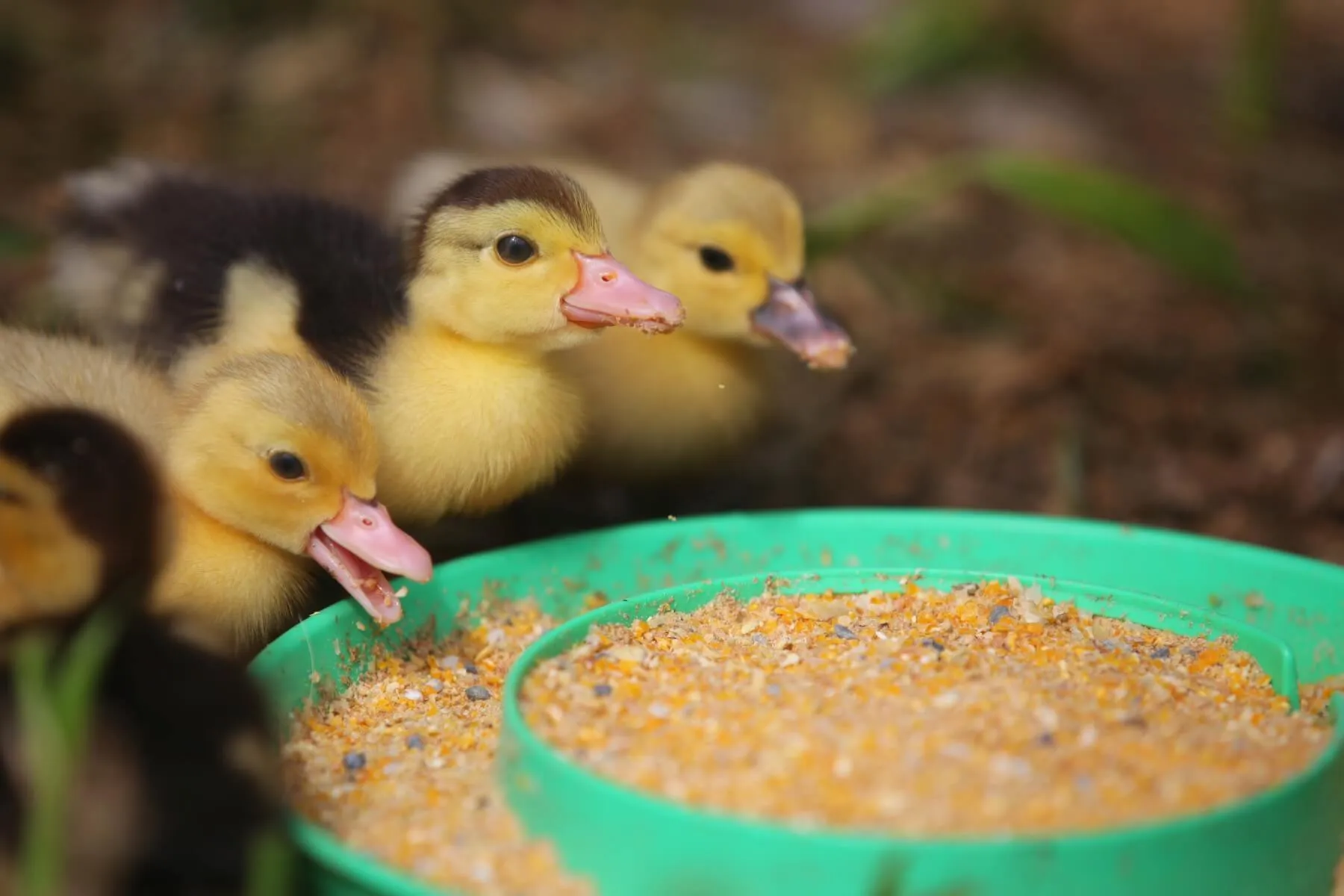
Raising baby ducks is a rewarding experience, but it also comes with important responsibilities—especially when it comes to nutrition. Ducklings grow rapidly during their first few weeks of life, and the foundation of their health depends on providing the right food from the very beginning. That’s where duckling starter feed comes in. Whether you’re a new backyard homesteader or simply caring for a few ducklings as pets, understanding what to feed them is essential for proper growth, development, and overall wellbeing.
Why Ducklings Need a Specialized Diet
Ducklings aren’t just small ducks; they have unique nutritional needs that differ from adult birds and even baby chicks. Their bodies develop at an incredibly fast rate, which means they require higher protein, additional niacin, and balanced nutrients to support bone strength, feather growth, and energy levels.
This is why choosing a high-quality duckling starter feed is so important. Regular chicken starter feed often lacks enough niacin, which can lead to leg problems, deformities, and stunted growth. A feed formulated specifically for ducklings ensures they get the nutrients they need without the risk of deficiencies.
What to Look for in Duckling Starter Feed
When shopping for duckling starter feed, keep these key factors in mind:
1. Proper Protein Levels
Ducklings need a protein level of around 18–20% during their first couple of weeks. Too little protein slows their development, while too much can lead to overly rapid growth that stresses their joints. A balanced starter feed provides exactly what they need for steady, healthy development.
2. Added Niacin
Niacin (vitamin B3) is one of the most crucial nutrients for ducklings. It supports bone strength and prevents leg issues like splay legs or bowed legs. Ducklings require more niacin than chicks, so make sure the starter feed is specifically labeled for ducks or clearly states that it contains added niacin.
3. Crumble Form for Easy Eating
Baby ducks need food that’s small and easy to swallow. Duckling starter feed often comes in a crumble form that is perfect for tiny beaks and helps reduce choking risks. Avoid large pellets during the early weeks.
4. Medicated vs. Non-Medicated
Unlike chicks, ducklings do not usually need medicated feed because they are less susceptible to coccidiosis. Most experts recommend choosing non-medicated duckling starter feed unless advised otherwise by a veterinarian.
How to Feed Ducklings Properly
Understanding the feed is just one part of caring for baby ducks. How you offer the feed matters just as much.
Start Feeding Immediately
Ducklings should have access to starter feed as soon as they arrive. They’re eager eaters and will naturally begin nibbling right away.
Keep Feed Fresh and Dry
Ducklings tend to splash water everywhere, and wet feed can spoil quickly. Use shallow dishes and keep waterers separate from feeders to prevent contamination.
Provide Plenty of Water
Water is essential because ducklings need it to swallow their food properly. Always ensure clean, fresh water is available and placed where they can’t climb in and soak themselves.
Transitioning Off Starter Feed
At around 6–8 weeks old, you can slowly transition ducklings to a grower feed with slightly lower protein. Make the change gradually by mixing the two feeds over the course of a week.
Final Thoughts
Feeding baby ducks doesn’t have to be complicated, but choosing the right duckling starter feed makes all the difference in raising healthy, active, and thriving ducklings. With proper nutrition, clean water, and a safe environment, your ducklings will grow into strong, happy ducks. As a beginner, understanding their dietary needs sets you up for success and ensures your feathered friends get the best start in life.