
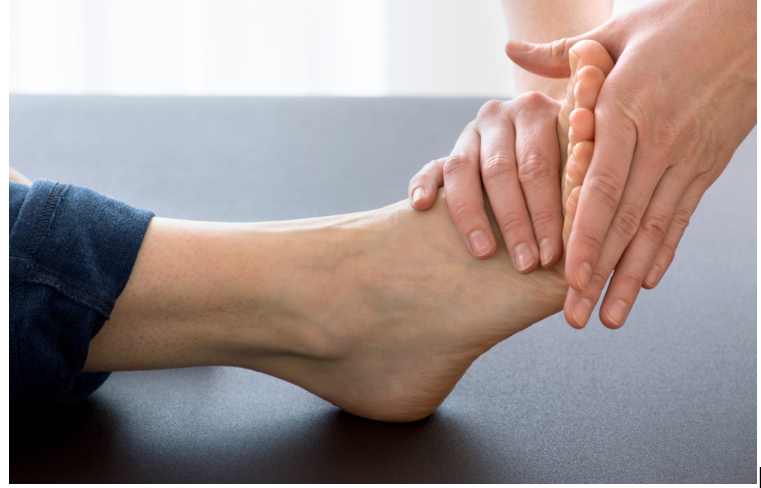
Plantar fasciitis is a common foot condition that can make everyday activities uncomfortable. People may notice pain beneath the heel when getting out of bed, walking after a long period of sitting, or standing for several hours. At first, the discomfort may seem minor, but it can gradually interfere with work, exercise, and daily routines if it continues.
Understanding plantar fasciitis helps people recognise its typical symptoms, identify habits that may contribute to the problem, and learn when professional care may be beneficial. Although many cases improve with appropriate conservative management, the right approach depends on the person’s symptoms and individual needs.
What Is Plantar Fasciitis?
The plantar fascia is a strong band of connective tissue that runs along the bottom of the foot. It connects the heel bone to the front of the foot and helps support the arch during standing, walking, and running.
When this tissue experiences repeated strain, small areas can become irritated or damaged. This may lead to pain around the heel or along the bottom of the foot. Despite the name, plantar fasciitis does not always involve inflammation alone; changes in the tissue can also play a role.
The condition may affect people with different activity levels. Runners and other athletes can develop it, but so can people who spend much of their day standing at work or walking on hard surfaces. Depending on the severity of the symptoms, Plantar fasciitis treatment may help manage discomfort and support recovery through an appropriate care plan.
Common Symptoms of Plantar Fasciitis
Recognising the pattern of discomfort can help someone decide whether an assessment is needed.
Heel Pain During the First Steps
One of the most recognisable symptoms is pain during the first few steps after waking up. The discomfort may feel sharp, pulling, or aching near the bottom of the heel.
A similar pattern can occur after sitting for a long time. The pain may become less noticeable after a short period of movement, although it can return after prolonged walking or standing.
Pain Along the Foot’s Arch
Some people experience discomfort extending from the heel towards the arch. The area may feel tight or tender, particularly after activities that place repeated pressure on the foot.
Symptoms That Change Throughout the Day
Plantar fasciitis does not feel the same for everyone. Some people experience the greatest discomfort in the morning, while others notice increasing pain after a busy day. The intensity can also vary according to footwear, activity, and recovery time.
Other conditions can produce similar symptoms, so pain patterns should not be used as a definite diagnosis.
What Can Contribute to Plantar Fasciitis?
There is rarely one explanation that applies to every case. Several factors may increase strain on the plantar fascia.
Sudden Changes in Physical Activity
Increasing walking or running distances too quickly can place more pressure on the feet than the tissues are prepared to handle. Starting a new exercise routine, returning to sport after a break, or exercising frequently on hard surfaces may contribute to the problem.
Gradually increasing activity and allowing enough recovery time can help reduce unnecessary strain.
Unsuitable Footwear
Shoes with worn-out cushioning, insufficient support, or a poor fit may make some people less comfortable during daily activities. Walking barefoot on hard floors can also aggravate symptoms in people whose heels are already sensitive.
Suitable footwear depends on the individual’s foot structure and activity. There is no single shoe design that works best for everyone.
Prolonged Standing
People who work in retail, healthcare, hospitality, education, or other jobs requiring long periods on their feet may place repeated pressure on the plantar fascia. Limited opportunities to sit down or change positions can make the strain more noticeable.
Where practical, short breaks and comfortable footwear can help manage the demands of a working day.
Foot Structure and Other Factors
Flat feet, high arches, tight calf muscles, and differences in walking mechanics may influence how pressure is distributed across the foot. Body weight and previous foot problems can also contribute in some circumstances.
However, having one of these factors does not mean plantar fasciitis will definitely develop.
Treatment Options for Plantar Fasciitis
Treatment usually begins with conservative measures aimed at reducing irritation and helping the foot tolerate normal activities again.
Modify Activities Temporarily
If running, jumping, or long walks make the pain worse, reduce the intensity or duration of those activities for a while. Comfortable movement may still be possible, but pushing through significant pain can aggravate symptoms.
Lower-impact alternatives may be appropriate, depending on the person’s condition and comfort.
Choose Supportive Footwear
Shoes that fit properly and provide suitable cushioning may improve comfort during standing and walking. Some people benefit from insoles or arch supports, but the choice should reflect their symptoms and foot structure.
Avoid relying on footwear that repeatedly triggers discomfort.
Consider Gentle Stretching
Gentle calf and plantar fascia stretches may help some people, especially when stiffness contributes to their symptoms. Exercises should be performed carefully and should not cause sharp or worsening pain.
A podiatrist or physiotherapist can demonstrate suitable techniques and advise how to progress safely.
Use Cold Therapy Carefully
A cold pack wrapped in a towel may temporarily relieve soreness after activity. Apply it for around 10–15 minutes and avoid direct contact between ice and the skin. People with reduced sensation or circulation problems should seek advice before using cold therapy.
Recovery may take several weeks or months, so consistent management is often more useful than expecting immediate results.
When Should You Seek Professional Help?
If heel pain persists, repeatedly returns, or interferes with walking, it is sensible to seek an assessment rather than relying entirely on home remedies.
A qualified Podiatrist in Singapore can review the symptoms, examine the foot, and consider factors such as footwear, activity levels, and foot mechanics. Additional investigations may be recommended if another condition is suspected.
A personalized plan for Plantar fasciitis treatment may include activity modification, stretching, strengthening, footwear guidance, or other appropriate interventions. The right approach depends on the assessment and the person’s response to care.
Sudden severe pain, significant swelling after an injury, or an inability to bear weight requires prompt medical evaluation. People with diabetes or reduced foot sensation should also seek advice early when new foot pain develops.
Conclusion
Plantar fasciitis can cause persistent discomfort beneath the heel and along the arch, particularly during the first steps after rest. Repeated strain, unsuitable footwear, sudden increases in activity, and individual foot mechanics may all contribute.
Recognising the symptoms and making sensible adjustments can help support recovery. When pain continues or begins to affect everyday activities, professional assessment can help identify the cause and guide a suitable plan for improved comfort and mobility.