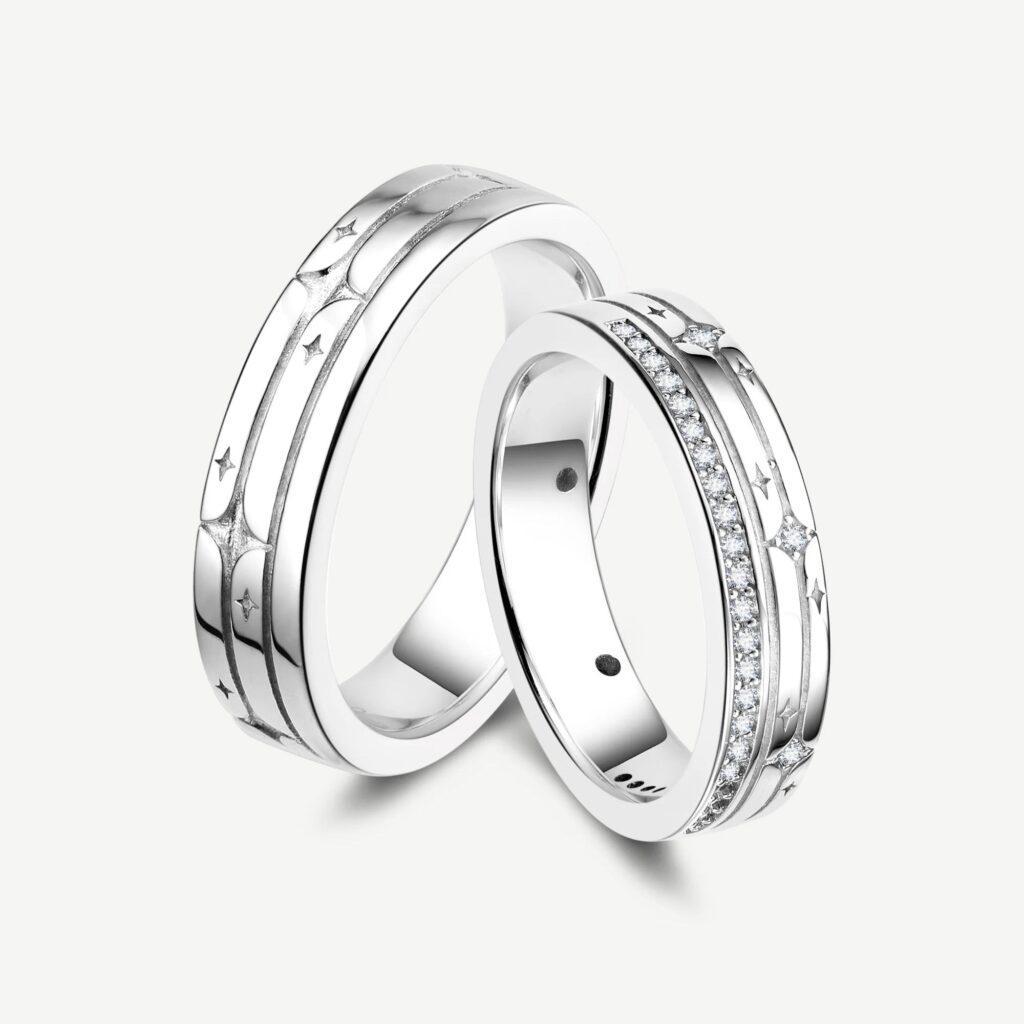
Matching jewelry sounds simple on paper: two pieces that pair together, worn by two people who mean something to each other. In practice, choosing well takes more thought than most gift guides suggest. Two rings can share a design and still look wrong on the people wearing them. A pair of pendants can echo each other in shape but clash in scale. The pieces that work best are the ones chosen with the wearers in mind, not just the concept of a set.
This guide walks through the practical steps of choosing matching jewelry that actually suits both people, from understanding what “matching” can mean in modern design to reading the small details that make a difference in daily wear. Whether the pair is for a couple, close friends, siblings, or a parent and child, the same principles apply. The goal is a set that feels considered rather than cookie-cutter, and that stays comfortable through the years rather than being stored away after one season.
What “Matching” Really Means Today
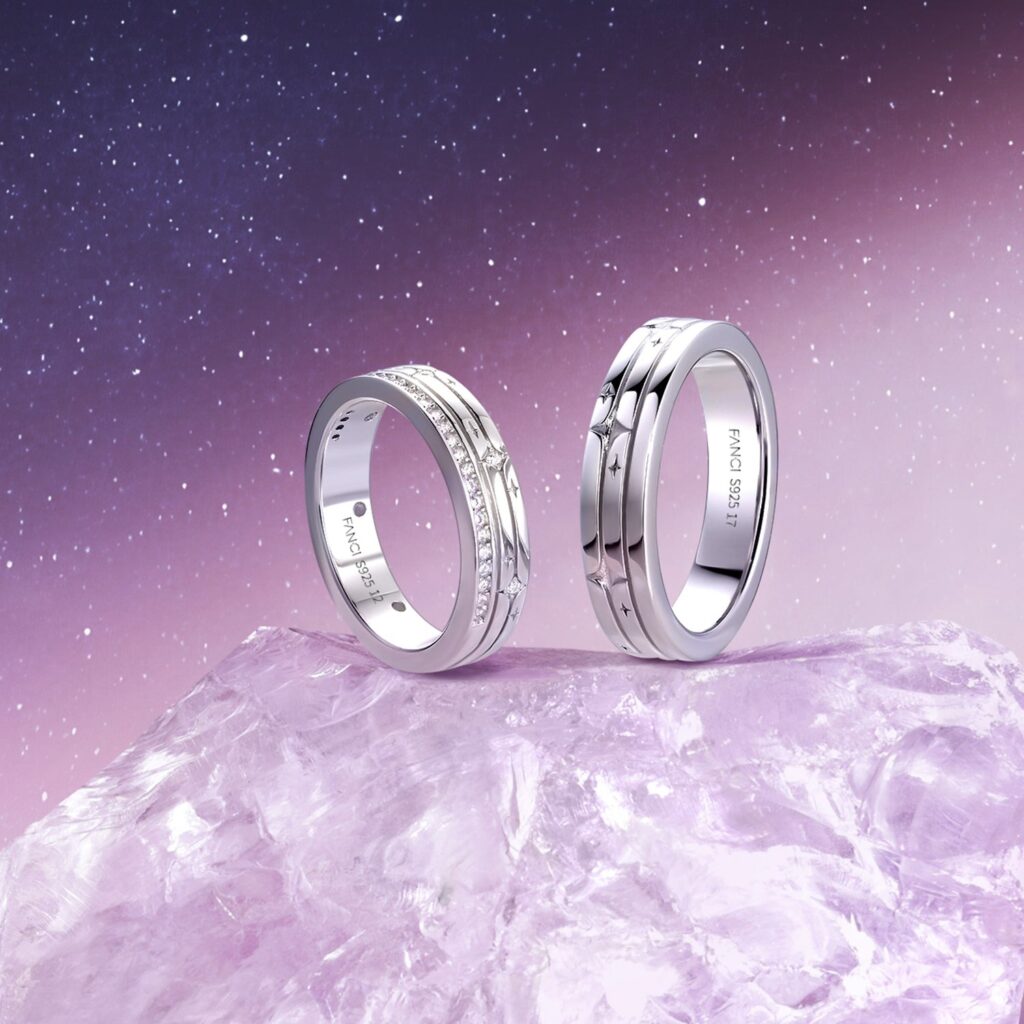
Matching jewelry no longer has to mean identical. The category has shifted over the past decade, and pairs now range from perfect twins to complementary pieces that share only one visual thread. A truly identical set works well for symbolic occasions such as vows or long-standing friendships. Complementary sets, where two pieces share a shape but differ in size or finish, tend to suit couples with different tastes better because each person can wear something that feels like their own.
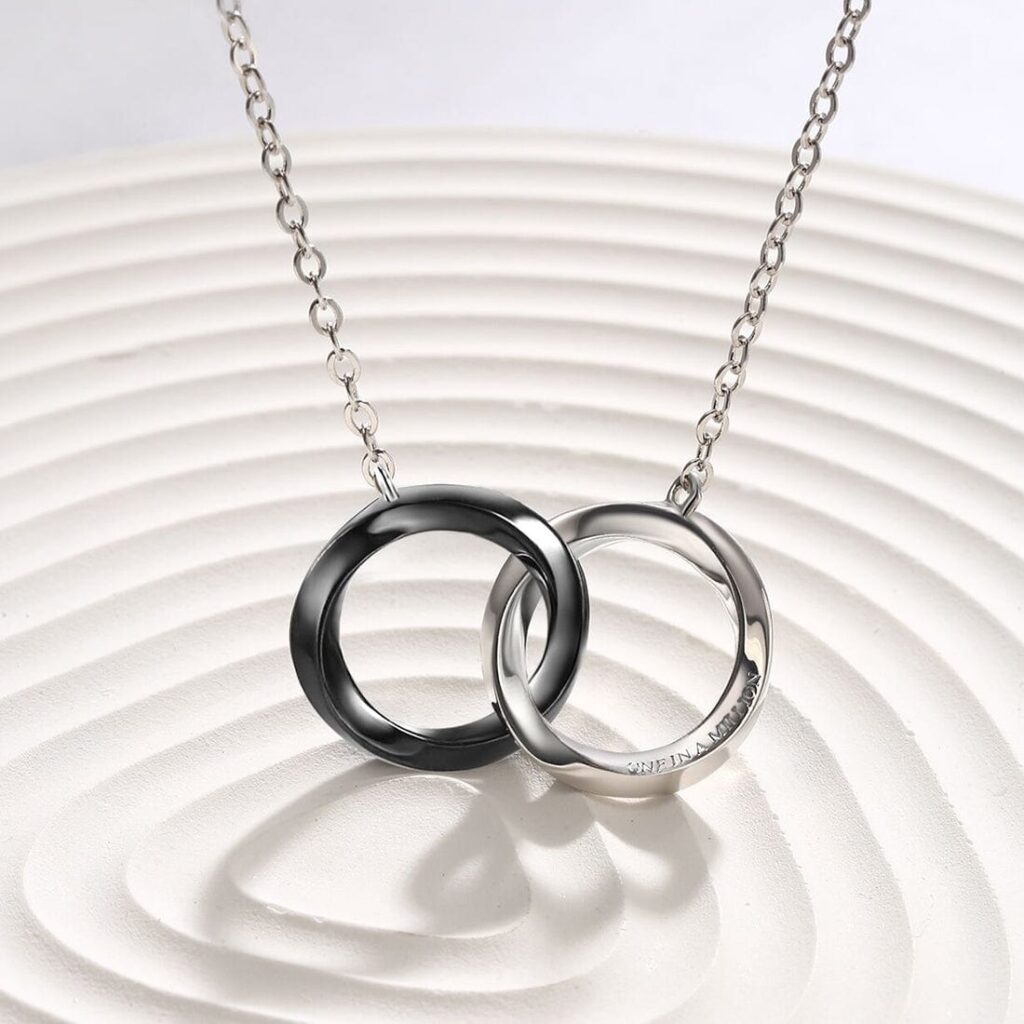
There is also a third route: linked pieces, where two items form a whole only when placed side by side, such as two halves of a shape or two chains that share the same charm. This kind of set carries a strong meaning but requires both wearers to be comfortable with the concept. Understanding which of these three approaches suits the relationship is the first real decision. Browsing a well-curated matching jewelry range often makes the distinctions clearer, because seeing options side by side helps identify which format actually fits the pair rather than the idea of them.
Reading the People Before the Product
Before looking at any piece, spend time thinking about how each person actually wears jewelry. Someone who removes rings before typing all day will not thank you for a thick band. A person who never wears necklaces will feel awkward in a matching pendant regardless of design. This step is often skipped because the temptation is to focus on the aesthetic of the set rather than the habits of the wearer. Reversing that order changes everything.
Style Habits to Watch For
Look at what each person already reaches for in their existing collection. Are their pieces slim and understated, or bold and statement-making? Do they gravitate toward warm metals such as yellow and rose gold, or cooler tones such as silver and white gold? Do they layer multiple pieces or wear one at a time? These habits reveal what will feel natural. A matching set that ignores these patterns often ends up unworn no matter how thoughtful the intention behind it.
Comfort and Daily Wearability
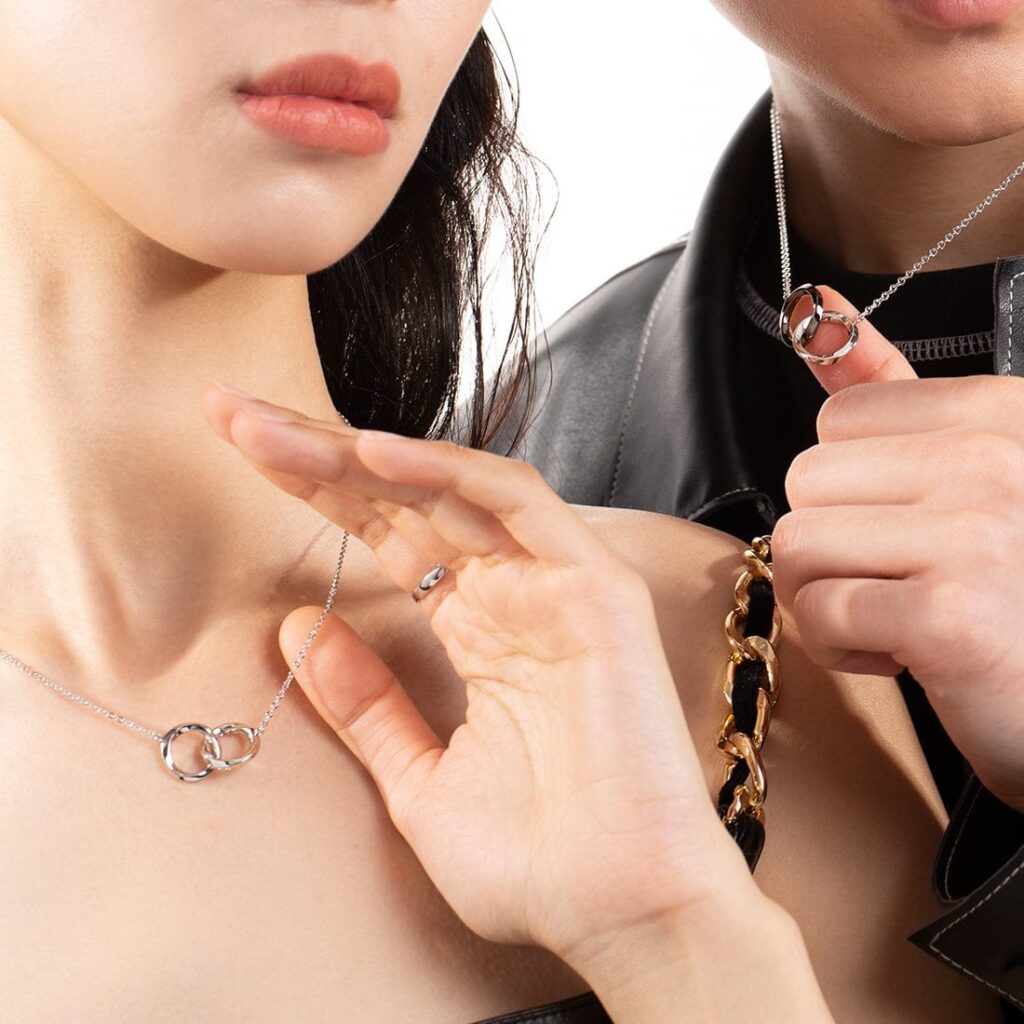
Comfort decides whether a piece becomes daily wear or drawer wear. For rings, check the width and edge finish, and consider whether the design catches on clothing. For necklaces, chain length matters more than most people expect: too short, and it sits awkwardly on the collarbone; too long, and it hides under shirts. For bracelets, clasp type affects how often each person will actually put them on. A set that is beautiful but fiddly tends to be worn only on special occasions.
Choosing Materials That Last
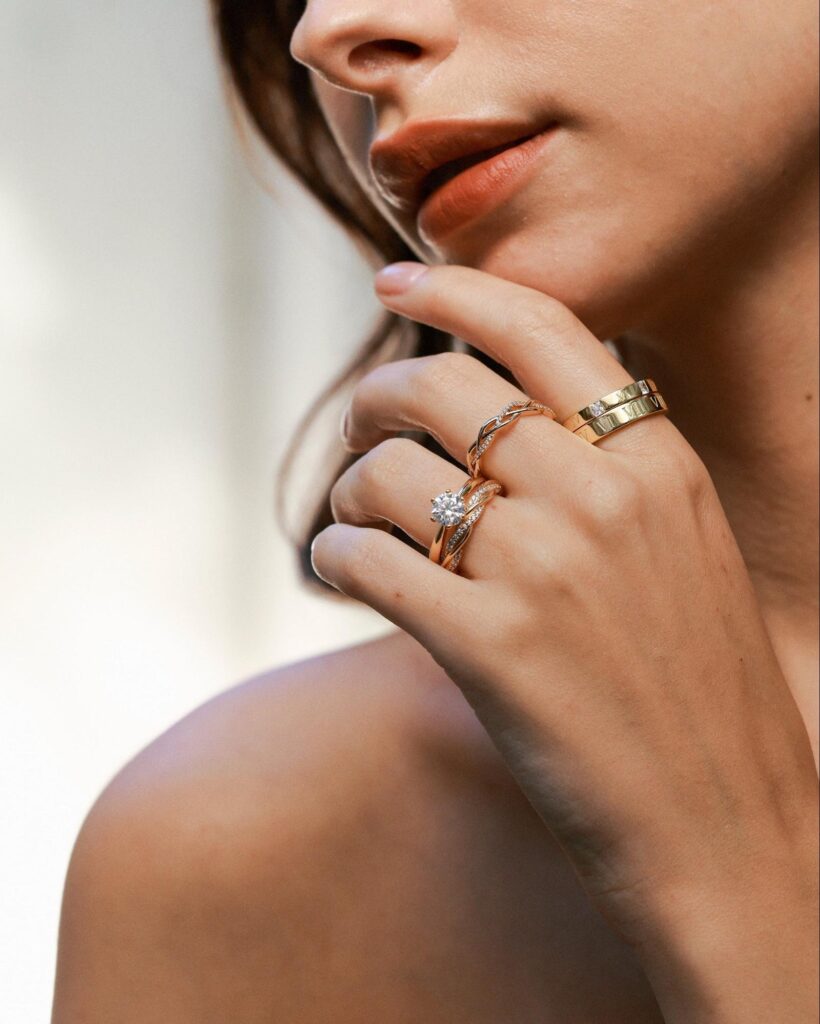
Material choice affects both the appearance and lifespan of a matching set. Solid sterling silver develops a warm patina over time and cleans up well with a soft cloth. Solid gold, whether yellow, rose, or white, holds its finish across decades with minimal fuss. Gold-filled pieces sit between the two in price and durability. Plated finishes offer the widest style range at the lowest price but require gentler handling and tend to show wear sooner, especially on rings and bracelets that see constant contact.
Think about how each wearer treats their belongings. A person who is careful with their possessions can happily wear more delicate finishes for years. A person who is rougher on their things, or whose job involves manual work, needs something more resilient. Matching sets often fail not because of design but because one piece wears out while the other stays pristine, leaving the pair visually mismatched. Choosing the same material grade for both pieces avoids that problem.
Scaling the Set to Both Wearers
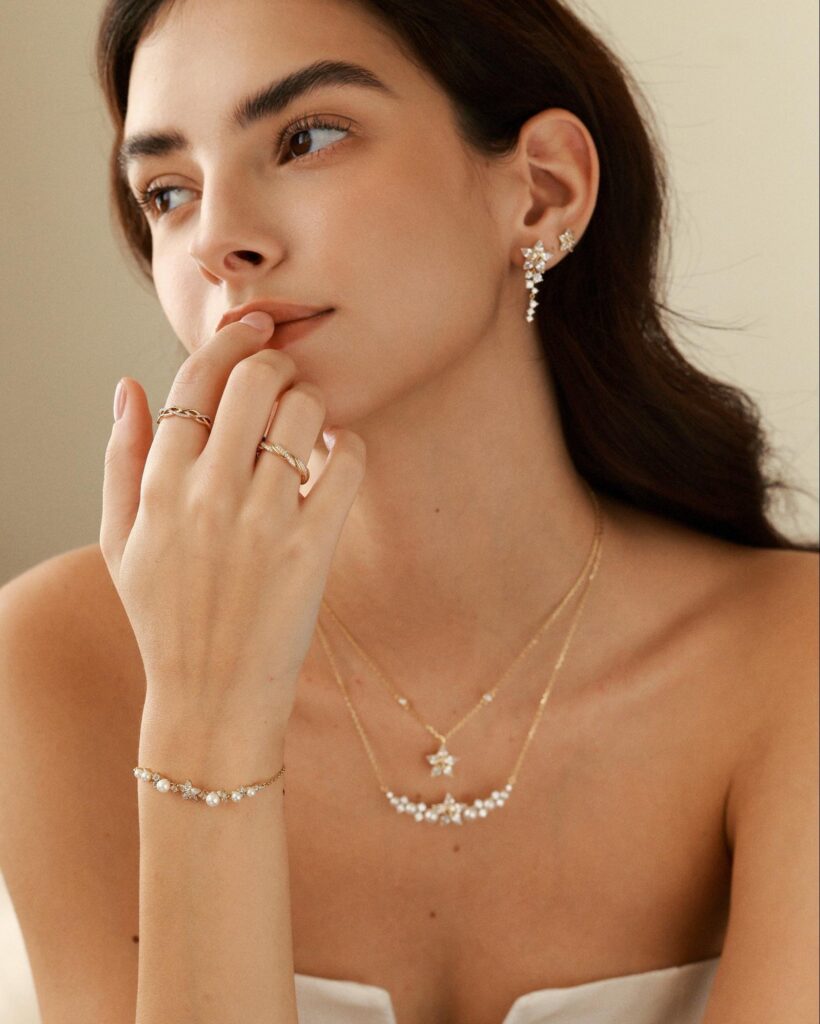
Scale is the detail most often overlooked. Two identical pendants can look great on one person and swamp another simply because of body proportions and clothing style. This is where complementary sets earn their reputation. A slimmer version of the same pendant on one wearer and a slightly larger version on the other keeps the design connection while respecting how each person is built. The same logic applies to rings: a wider band on one hand may look chunky on the other.
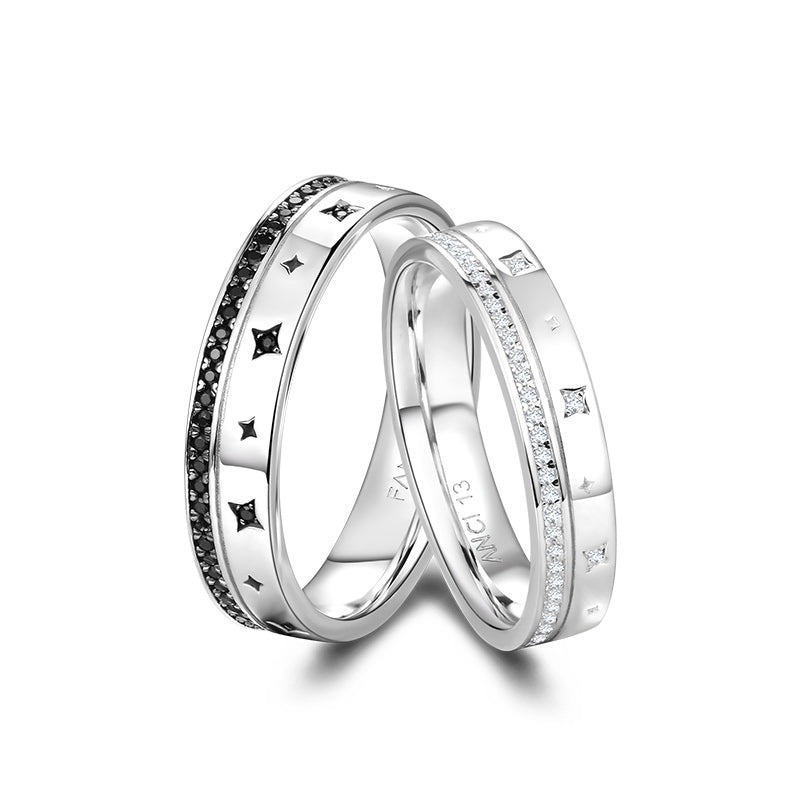
When choosing sizes, measure carefully rather than guessing. For rings, use a proper sizer and account for finger swelling in warmer weather. For necklaces, consider where each wearer wants the piece to sit and pick a chain length that suits that placement. Many disappointing matching sets could have been saved by simply ordering the right size to begin with, which is why reputable jewelers such as FANCI publish detailed sizing guidance alongside each set.
A Practical Step-by-Step Process
Rather than starting from a favorite design, work backward from the wearers. The following sequence tends to produce sets that both people actually enjoy wearing rather than ones that sit in boxes:
- List each person’s current jewelry habits: what they wear daily, weekly, and never.
- Identify shared preferences such as metal tone, piece type, or design mood.
- Decide between identical, complementary, or linked formats based on the relationship.
- Shortlist three options that fit those criteria before comparing them side by side.
- Confirm sizing and material grade before ordering, and check return policy in case adjustment is needed.
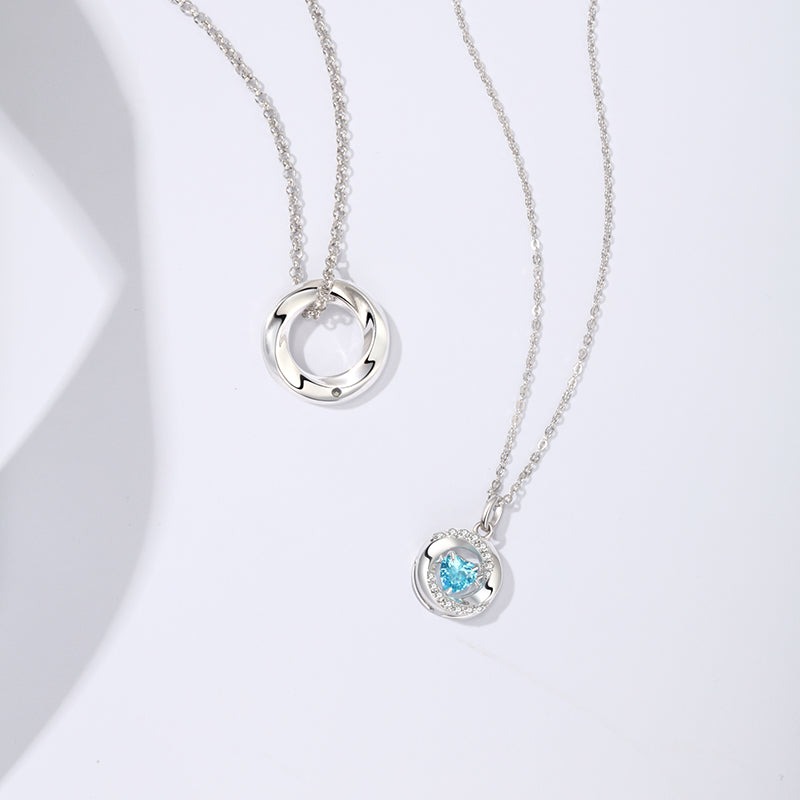
This process feels slower than picking a set that looks appealing online, but it saves the more painful outcome of a beautifully packaged gift that never gets worn. It also makes the moment of giving stronger, because the choice reflects genuine thought about the person receiving it rather than a generic idea of what matching jewelry should be.
Presenting and Wearing the Set
How matching jewelry is given shapes how it is received. A shared unboxing moment often carries more meaning than a written note, and giving both pieces at the same time reinforces the connection. If the set is intended for daily wear, a brief conversation about when and how each person plans to wear it prevents mismatched expectations later. Some pairs wear their pieces constantly; others save them for specific occasions, and both approaches are fine as long as they agree.
Once worn, matching pieces tend to gain meaning through repetition. A set that appears in shared photos over the years builds its own quiet history, one that turns the jewelry into a physical record rather than an accessory. That accumulated meaning is what makes matching pieces feel different from other gifts. They keep earning their place instead of fading into the background.
When to Update or Add to the Set
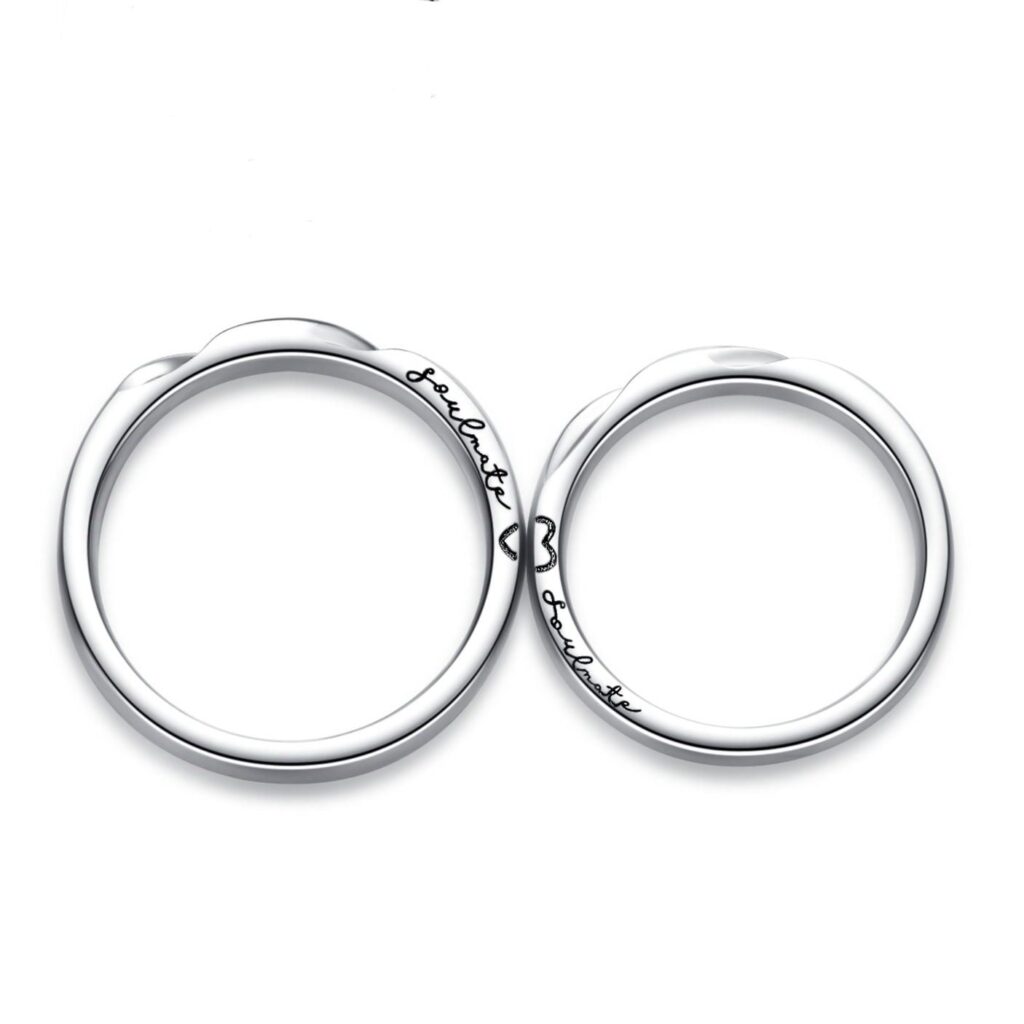
A single matching set does not have to remain the only one. Many pairs add small linked pieces over time, such as a matching charm, a second ring for a milestone, or coordinated earrings to complement the original necklaces. This approach keeps the original set special while acknowledging that people and relationships change over the years. The additions do not need to be identical in style to the first piece, only connected in some visible way.
The right time to add is usually a natural milestone: an anniversary, a shared achievement, or a life change worth marking. Rushing to build a collection often produces pieces that feel forced. Waiting for the moment when a new addition would actually mean something keeps the set intentional rather than accumulated.
Building Sets That Stay Worn
Choosing matching jewelry well is less about finding the perfect design and more about understanding the two people who will wear it. When the pieces suit real habits, real bodies, and real preferences, they stop being a symbol displayed for a moment and become part of daily life. That is the quiet test of any matching set: not how it looks in the box, but how often it leaves the box across the years that follow.
Take the time to think about materials, scale, and comfort before falling in love with a specific design. Confirm sizing carefully and choose a format that suits the relationship rather than the idea of matching in the abstract. Do that, and the result is a pair of pieces that both wearers reach for without thinking, small anchors of connection that keep working long after the initial excitement fades.