
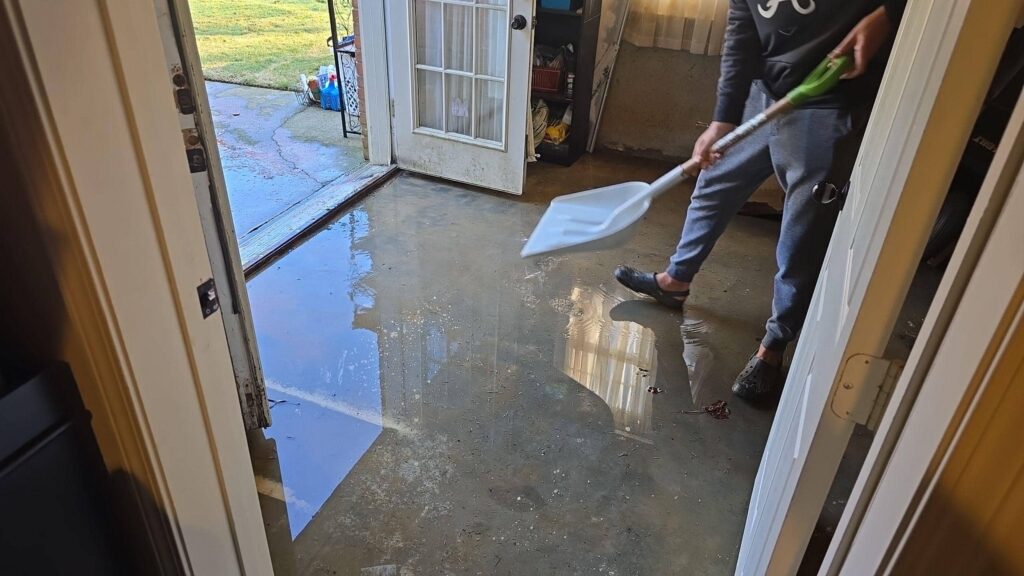
Water damage can happen when you least expect it. A burst pipe, leaking appliance, roof failure, or heavy storm can quickly introduce water into areas of the home where it doesn’t belong. What begins as a small problem can escalate rapidly if moisture spreads into floors, walls, and structural materials.
The key to minimizing damage is quick action. The first few hours after water exposure are critical, and understanding what to do during this time can help homeowners prevent more serious long-term problems such as mold growth, weakened structures, and costly repairs.
Why Water Damage Requires Immediate Attention
Water is one of the most destructive forces inside a home. Unlike fire damage, which is immediately visible, water damage often spreads silently behind walls and beneath flooring.
When water infiltrates building materials, it can begin affecting them almost immediately:
- Wood begins to swell and warp
- Drywall absorbs moisture and weakens
- Carpets and padding trap water
- Electrical systems may become unsafe
- Mold spores can begin developing within 24–48 hours
Even clean water from a broken pipe can create serious structural issues if it is not removed and the affected areas are not properly dried.
This is why early mitigation is so important. Addressing the problem quickly helps limit how far water spreads and reduces the amount of material that may need to be repaired or replaced.
Common Sources of Household Water Damage
While major storms and floods often make headlines, most residential water damage actually originates from everyday household systems.
Some of the most common causes include:
- Plumbing leaks or pipe bursts
- Water heater failures
- Overflowing sinks, tubs, or toilets
- Malfunctioning dishwashers or washing machines
- Roof leaks during heavy rain
- Clogged gutters causing water intrusion
Older homes may be especially vulnerable because aging plumbing systems, worn roofing materials, and outdated appliances increase the likelihood of leaks.
Regular maintenance can reduce risk, but no home is completely immune to unexpected water issues.
What to Do Immediately After Water Damage
If water damage occurs, taking the right steps right away can help reduce the overall impact.
1. Stop the Source of the Water
If the problem originates from plumbing or an appliance, shutting off the main water supply can prevent additional water from entering the home.
2. Turn Off Electricity in Affected Areas
Water and electricity are a dangerous combination. If water is near outlets or electrical systems, the power should be shut off until the area is inspected.
3. Remove Standing Water
If it is safe to do so, removing visible water with towels, mops, or a wet vacuum can slow the spread of moisture. However, large amounts of water typically require specialized extraction equipment.
4. Move Valuable Items
Furniture, electronics, and personal belongings should be moved away from the affected area whenever possible. This can help reduce damage and make the drying process easier.
5. Begin Ventilation
Opening windows, running fans, and improving air circulation can help reduce humidity levels while professional help is arranged.
The Role of Professional Water Mitigation
While homeowners can take initial steps to manage water damage, professional mitigation services play an important role in fully addressing the problem.
Water mitigation focuses on stopping further damage and stabilizing the property before restoration begins. This process typically includes:
- Advanced water extraction
- Moisture detection inside walls and flooring
- Structural drying with industrial equipment
- Dehumidification to remove airborne moisture
- Sanitizing affected surfaces
Without these steps, hidden moisture can remain trapped inside materials. Over time, this can lead to mold growth, structural weakening, and persistent odors.
Homeowners researching professional help often look into services such as Los Angeles water mitigation experts to better understand how trained specialists approach emergency water situations and property stabilization.
Why Hidden Moisture Is a Serious Risk
One of the biggest challenges with water damage is that much of it cannot be seen. Water easily spreads into porous materials like drywall, insulation, and wood framing.
Without specialized tools, these hidden moisture pockets may go unnoticed.
Professionals typically use equipment such as:
- Moisture meters
- Infrared thermal imaging cameras
- Industrial air movers
- Commercial dehumidifiers
These tools allow technicians to detect water inside structures and ensure all affected areas are properly dried.
If moisture remains inside walls or floors, it can slowly deteriorate materials and create the ideal conditions for mold growth.
Preventing Water Damage in the Future
Although emergencies cannot always be avoided, several preventative measures can significantly reduce the chances of serious water damage.
Inspect Plumbing Regularly
Check visible pipes for corrosion, leaks, or loose connections. Replacing aging plumbing components can prevent unexpected failures.
Maintain Appliances
Dishwashers, washing machines, and refrigerators with water lines should be inspected periodically. Hoses and connectors are common failure points.
Clean Gutters and Downspouts
Clogged gutters prevent water from draining away from the home, increasing the likelihood of roof and wall leaks.
Install Leak Detection Systems
Modern water sensors can detect moisture early and alert homeowners before a small leak becomes a major issue.
Know Your Shutoff Valves
Understanding where the main water shutoff valve is located allows homeowners to act quickly if a pipe bursts or a major leak occurs.
Final Thoughts
Water damage can feel overwhelming when it happens, but the right response can make a significant difference in the outcome. Acting quickly, stopping the source of water, and beginning the drying process are critical first steps in protecting the home.
Professional mitigation services often play an essential role in fully stabilizing the property and preventing long-term issues. By addressing water damage promptly and thoroughly, homeowners can safeguard both their property and their peace of mind.