
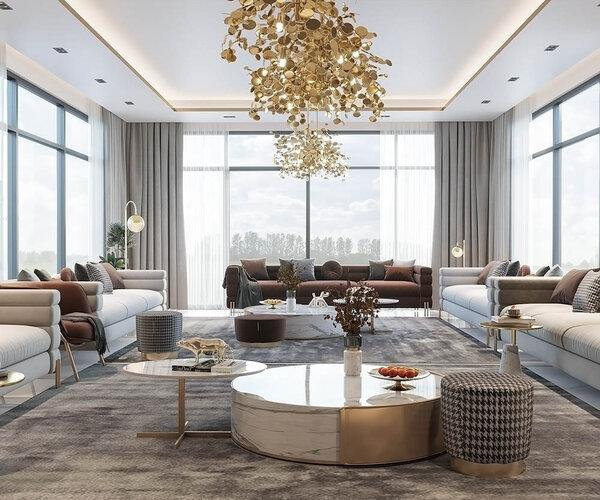
A thoughtfully furnished home brings together comfort, practicality, and personal style. Every piece of furniture contributes to the atmosphere of a room, from the sofa where you relax after a long day to the dining table where family and friends gather. Choosing the right combination of furniture and decorative elements can transform ordinary living spaces into welcoming, attractive interiors.
Creating a well-designed home does not necessarily involve expensive renovations or replacing everything you own. Sometimes, introducing a contemporary table, improving the lighting, or updating a few decorative accessories is enough to refresh a room. The most successful interiors combine useful furniture with carefully chosen details that reflect the homeowner’s lifestyle.
Plan Your Space Before Selecting Furniture
Good interior design begins with understanding the available space. Before purchasing furniture, consider the room’s dimensions, natural lighting, architectural features, and intended purpose. Measure the areas where you want to position larger pieces, including sofas, beds, dining tables, and storage cabinets. Remember to allow sufficient space for walking, opening doors, and using furniture comfortably.
A large sectional sofa may suit an open living area, while a compact loveseat could be more practical in a smaller apartment. Selecting appropriately sized furniture helps create an inviting room without making the arrangement feel overcrowded.
Discover an Interior Style That Reflects Your Personality
Your furniture choices should create a visual identity that feels natural throughout the home. Some homeowners prefer minimalist interiors with uncomplicated shapes and neutral colors, while others enjoy traditional details, rich textures, and decorative finishes. Modern interiors frequently feature streamlined furniture, understated designs, and materials such as wood, glass, and metal. Scandinavian-inspired spaces emphasize natural textures, comfortable furnishings, and light color palettes. Combining different styles can also produce attractive results. The important consideration is maintaining a consistent design element, such as similar wood tones, coordinated upholstery, or repeated accent colors.
Design an Inviting and Practical Living Area
The living room is often the center of everyday activity, making comfortable seating and functional furniture particularly important. Begin with a sofa that suits the available space and provides the level of comfort your household needs. Arrange additional chairs to encourage conversation while maintaining convenient access to the rest of the room.
A round coffee table with storage can be an excellent addition to a seating arrangement. Its curved edges introduce a softer appearance, while built-in compartments provide convenient space for magazines, remote controls, and small household essentials. Complement the central table with compact side tables to create convenient surfaces beside sofas or armchairs.
Find a Coffee Table That Enhances Your Interior
Coffee tables contribute significantly to the overall character of a living room. Rather than selecting a table purely for its appearance, consider how its dimensions and materials relate to the surrounding furniture. A Home interior featuring a glass surface can provide an airy appearance, particularly in rooms with limited natural light. Wooden designs introduce warmth and texture, while metal accents offer a more contemporary aesthetic.
For decorative styling, consider placing a ceramic vase, small plant, or carefully arranged collection of books on the surface. Keep enough space available for everyday activities so the table remains functional.
Transform Empty Walls Into Attractive Features
Bare walls offer valuable opportunities to introduce creativity and personality. Artwork, decorative mirrors, and carefully positioned shelves can make a room feel more complete without requiring additional floor space. Choose paintings, framed prints, or abstract artwork that complement your existing furniture. Larger pieces can create visual interest above a sofa or bed, while smaller arrangements work beautifully in hallways. For a playful decorative touch, a Hello Kitty mirror can introduce character into a bedroom, dressing area, or personal corner. Pair distinctive accessories with simpler furnishings to maintain a balanced appearance.
Introduce Warmth Through Layered Lighting
Lighting can influence how spacious, comfortable, and inviting an interior feels. A thoughtful lighting arrangement combines general illumination with fixtures designed for specific activities. Ceiling fixtures provide overall brightness, while table lamps are useful for reading, working, and creating a relaxed evening atmosphere. Floor lamps positioned near seating areas can make living rooms more comfortable, and pendant lights above dining tables help establish a dedicated gathering space. Consider the materials and finishes of each fixture. Brass, matte black, ceramic, and natural wood details can complement nearby furniture and strengthen the room’s overall design.
Choose Bedroom Furniture for Rest and Organization
A comfortable bedroom should provide a peaceful environment while accommodating everyday storage needs. Select a bed that fits comfortably within the room, leaving accessible space on either side where possible. Nightstands offer convenient storage for personal belongings, reading materials, and bedside lighting.
Dressers and wardrobes should provide practical organization without dominating the room. In smaller bedrooms, furniture with integrated drawers or additional storage compartments can help reduce clutter. Soft furnishings, coordinated bedding, and subtle decorative accessories can add warmth without distracting from the bedroom’s restful atmosphere.
Create a Dining Space That Encourages Togetherness
Dining rooms should support comfortable meals, conversation, and occasional gatherings. The dining table is generally the most important furniture piece, so its size and shape deserve careful consideration. Round dining tables can encourage conversation and work particularly well in compact dining areas. Rectangular tables often provide a practical solution for larger families or longer rooms.
Choose chairs that provide adequate support and allow comfortable movement around the table. A decorative pendant light, simple centerpiece, or coordinated wall artwork can complete the dining area while keeping the arrangement uncluttered.
Improve Small Rooms With Multifunctional Furniture
Limited floor space requires thoughtful planning, but smaller interiors can still feel elegant and comfortable. Prioritize furniture that performs more than one function. Storage ottomans, nesting tables, wall-mounted shelves, and compact cabinets can provide useful features without occupying unnecessary space.
Furniture with slim legs or open designs can also help maintain a lighter visual appearance. Avoid positioning large pieces in every available corner. Maintaining clear pathways and leaving some open areas creates a more relaxed and organized environment.
Bring Harmony Through Colors and Textures
A coordinated color scheme helps furniture and accessories appear connected. Neutral foundations such as ivory, warm beige, charcoal, and soft gray provide flexibility when introducing different materials. Accent shades can appear through cushions, artwork, decorative vases, and upholstered chairs.
Texture is equally important. Combining smooth wooden surfaces with soft fabrics, woven rugs, ceramic ornaments, and metal details adds depth to an interior without making it excessively colorful. Natural materials and subtle contrasts can create an atmosphere that feels both comfortable and visually sophisticated.
Avoid Furniture Choices That Reduce Comfort
A common decorating mistake is purchasing furniture without checking its measurements. Oversized pieces can restrict movement, while furniture that is too small may appear disconnected from the surrounding space. Another issue is prioritizing appearance over everyday usability. Attractive furniture should still provide the comfort, durability, and practicality required for regular use. Avoid introducing too many competing patterns, finishes, or decorative accessories. A balanced arrangement usually feels more intentional than one filled with unrelated objects.
Final Thoughts: Build a Home Around Your Lifestyle
Beautiful interiors develop through thoughtful decisions rather than unnecessary decoration. Choose essential furniture first, consider how each room is used, and gradually introduce accessories that complement the overall arrangement. Whether you prefer modern simplicity, natural materials, or a mixture of decorative styles, the goal is to create living spaces that feel comfortable, functional, and personal. Well-proportioned furniture, coordinated colors, suitable lighting, and meaningful decorative details can help turn any house into a home that is enjoyable to live in.
Frequently Asked Questions
What should I consider before purchasing furniture?
Evaluate the room’s measurements, your available budget, daily activities, and existing decor. Choose furniture that fits the space while offering practical comfort.
Which furniture pieces are essential for a living room?
A comfortable sofa, appropriately sized coffee table, and useful storage furniture provide a strong foundation. Additional seating and side tables can improve convenience.
How can I decorate my home without replacing existing furniture?
Update lighting, add decorative mirrors, introduce wall artwork, or refresh accessories such as cushions, rugs, and table decorations.
What furniture works best in smaller homes?
Compact sofas, multifunctional tables, vertical shelving, and furniture with integrated storage can help maximize available space while maintaining a clean interior.