
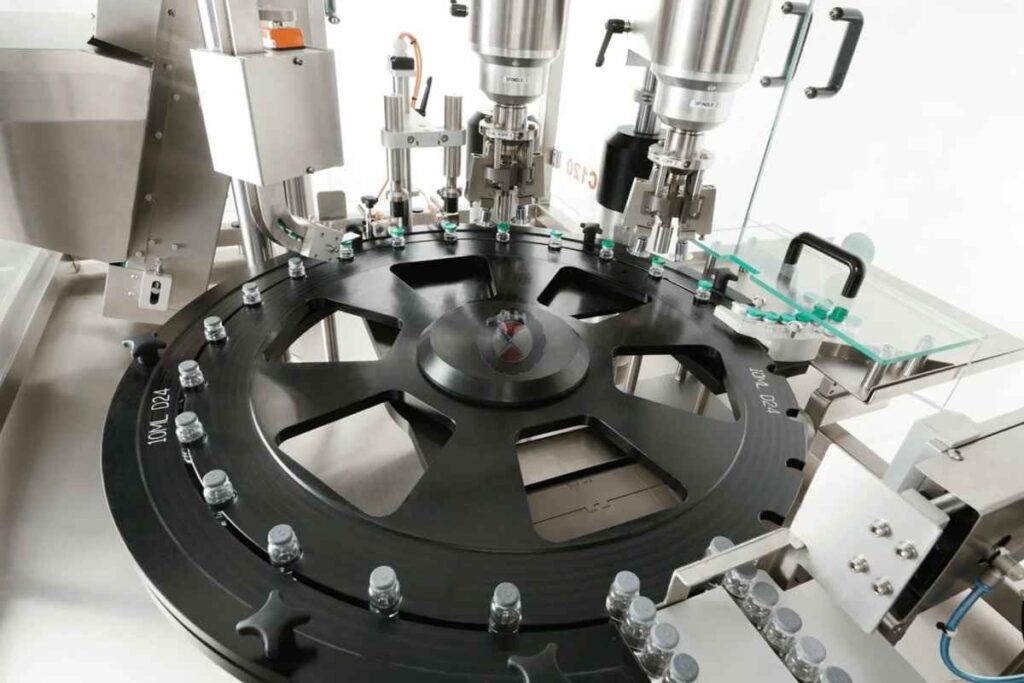
The installation of pharmaceutical aseptic filling machines requires precise planning and execution to ensure sterile production and regulatory compliance. Every step must maintain product integrity, prevent contamination, and optimize operational efficiency. Proper installation minimizes downtime and avoids costly corrective actions or deviations. A structured checklist is essential to ensure that all components are correctly installed and ready for validation.
This checklist covers pre-installation readiness, mechanical setup, utility connections, and control systems verification. Each section ensures compliance with Good Manufacturing Practices (GMP) and industry standards. Following this process reduces operational risks and guarantees that aseptic conditions are maintained. Proper installation forms the foundation for safe, efficient, and high-quality pharmaceutical production.
1. Pre-Installation & Site Readiness
Room Classification Verification
Aseptic filling operations require pharmaceutical aseptic filling machines to be installed in cleanrooms meeting specific ISO classifications. Verification includes checking air cleanliness, pressure differentials, temperature, and humidity to prevent contamination. HEPA filtration, growing areas, and environmental monitoring systems must be validated before installation. Uncontrolled variables in the cleanroom environment can compromise product sterility and process reliability.
Workflow and personnel movement should support aseptic standards, minimizing cross-contamination risks. Doors, pass-throughs, and gowning stations must align with the machine layout. Confirming room classification before installation prevents delays and ensures regulatory compliance. Proper validation of the room provides a safe environment for machine operation and sterile product handling.
Utility Infrastructure
Utilities such as compressed air, purified water, steam, and electricity must meet pressure, flow, and purity specifications. Electrical supply must align with machine requirements, including grounding and phase configuration. HVAC systems should maintain cleanroom conditions consistently during installation and operation. Backup utilities such as UPS or emergency generators ensure uninterrupted operation of critical components and control systems.
Verifying utility readiness avoids installation delays and prevents equipment malfunction during commissioning. Proper documentation of utility availability supports regulatory audits and validation processes. Pre-checks for water, air, and steam quality reduce contamination risks. Confirming infrastructure ensures that the aseptic filling machine can operate safely and efficiently from the first run.
Floor & Layout
The facility floor must be level, durable, and capable of supporting the machine’s weight without vibration. Adequate spacing around the equipment is necessary for operator access, cleaning, and maintenance. Floor slope and drainage should prevent liquid accumulation and reduce microbial contamination risks. Planning the layout ensures smooth material flow and minimal disruption of sterile zones during operation.
Machine placement should consider workflow, ergonomics, and serviceability. Markings or barriers can guide material and personnel movement, maintaining cleanroom integrity. Proper layout planning allows safe interaction with equipment while preserving aseptic conditions. Confirming floor and spatial readiness simplifies mechanical installation and future maintenance tasks.
2. Mechanical Installation
Materials Inspection
All mechanical components must be inspected for damage, contamination, or missing parts before assembly. Stainless steel surfaces should be free from scratches, dents, or residues that could harbor microbes. Gaskets, seals, and fittings must comply with product specifications and cleaning requirements. Documentation of component integrity ensures traceability and regulatory compliance during installation and commissioning.
Any defective or non-compliant parts should be replaced immediately to prevent operational issues. Proper inspection reduces downtime and avoids potential contamination during startup. Materials verification supports GMP requirements and quality assurance standards. Thorough preparation of components ensures reliable, sterile, and efficient machine operation.
Placement & Anchoring
Proper placement ensures that pharmaceutical aseptic filling machines are stable, level, and anchored according to manufacturer specifications. Anchoring hardware must withstand vibration, cleaning procedures, and long-term operational loads. Correct placement facilitates product flow, operator access, and maintenance activities. Proper installation of anchoring points ensures consistent machine performance and filling accuracy.
Optimal positioning improves workflow efficiency and minimizes contamination risks. Operators should be able to reach controls, material inlets, and cleaning ports safely. Placement planning also includes allowance for maintenance and future expansion if required. Accurate anchoring and positioning are critical to aseptic process reliability and regulatory compliance.
Ergonomics & Maintenance Access
Ergonomics is critical for operator efficiency and safety during operation and maintenance. Control panels, filling stations, and access points should be at suitable heights and easily reachable. Adequate clearance allows maintenance personnel to perform inspections, preventive maintenance, and cleaning. Accessible design minimizes strain and ensures efficient workflow without disrupting sterile areas.
Maintenance access must support cleaning and sterilization routines without introducing contamination. Panels, filters, and pumps should be removable without compromising cleanroom integrity. Proper ergonomics reduces operator fatigue and supports productivity. Accessibility planning is vital for safe, consistent, and sterile aseptic operations.
3. Utilities & Connections
Piping Integrity
All piping connections for product, water, and gas must be leak-free, properly supported, and corrosion-resistant. Stainless steel with sanitary welds or Tri-Clamp fittings is preferred. Proper slope and venting prevent stagnant zones and contamination. Pressure testing and visual inspections confirm integrity before production starts.
Proper piping installation ensures reliable product flow, consistent filling, and GMP compliance. Leaks or misalignment can disrupt the liquid filling system, causing downtime, contamination, or regulatory non-compliance. Verification prevents operational disruptions and costly repairs. Correctly installed piping supports safe, sterile, and efficient machine operation.
CIP/SIP Integration
Clean-In-Place (CIP) and Steam-In-Place (SIP) systems must be fully integrated with the machine. Connections for steam, water, and return lines must be verified for correct placement. Temperature and pressure sensors should monitor sterilization cycles accurately. Integration testing ensures that all sterilization procedures reach intended areas without gaps or failures.
Dry and wet runs confirm coverage, flow rates, and machine response during cleaning cycles. Proper CIP/SIP integration prevents contamination and supports regulatory compliance. Ensuring functional sterilization systems reduces downtime and enhances aseptic integrity. Complete integration guarantees safe and repeatable cleaning and sterilization processes.
Drainage
Efficient drainage is essential for maintaining sterile conditions and preventing water accumulation near pharmaceutical aseptic filling machines. Drains should be sloped, unobstructed, and compliant with cleanroom hygiene requirements. Traps and venting must be correctly installed to avoid backflow or contamination risks. Testing drainage under operational conditions ensures liquids are safely and efficiently removed from the area.
Proper drainage reduces microbial growth and equipment corrosion risks. Well-designed drainage also simplifies cleaning and supports GMP compliance. Preventing stagnant water enhances sterile operations and safety for personnel. Verification of drainage ensures smooth, hygienic, and compliant machine operation.
4. Control Systems & Documentation
Automation/PLC Logic
Programmable Logic Controllers (PLC) must be installed, programmed, and tested before operation. Verify that all sensors, actuators, and interlocks function correctly. Control logic should handle normal operations, alarms, and emergency stops. Documenting automation setup ensures repeatable, accurate, and safe filling sequences.
PLC verification ensures proper interaction between machine components and process parameters. Testing logic before production avoids errors, contamination, or downtime. Automation documentation is essential for regulatory inspections and validation. Correctly installed PLC systems maintain product quality and aseptic safety.
Data Integrity
Electronic records must be accurate, secure, and compliant with regulatory standards such as 21 CFR Part 11. Verify that audit trails, timestamps, and access controls function correctly. Data acquisition systems must record batch information consistently. Proper data integrity safeguards traceability, quality, and regulatory compliance.
Testing involves sample reports, backup verification, and ensuring no data loss occurs. Secure electronic systems prevent errors and unauthorized access. Maintaining data integrity supports GMP compliance and operational reliability. Verified records guarantee safe, traceable, and validated aseptic processes.
Calibration
All sensors and measuring devices, including flow meters, pressure gauges, and temperature probes, must be calibrated. Calibration ensures accurate readings, regulatory compliance, and proper filling volumes. Documenting results with traceability to standards is critical. Recalibration schedules should be established to maintain accuracy over time.
Proper calibration prevents dosing errors, reduces product waste, and ensures consistent operation. Validation of measurement devices supports GMP compliance and quality assurance. Documented calibration records are essential for inspections and audits. Accurate measurements are fundamental to reliable and safe aseptic filling operations.
Why Go with MH Multipack?
MH Multipack Sdn Bhd is a trusted provider of high-quality pharmaceutical packaging solutions and aseptic filling expertise. Their experienced team ensures seamless installation and operation of machinery, maintaining GMP compliance at all stages. State-of-the-art facilities and robust project management guarantee timely and accurate delivery. Partnering with them reduces operational risks and ensures regulatory adherence.
With comprehensive support from planning to commissioning, MH Multipack provides complete solutions tailored to client needs. Their commitment to quality, precision, and customer satisfaction sets them apart. The company also offers post-installation support, preventive maintenance guidance, and operator training. Choosing them ensures efficient, sterile, and reliable pharmaceutical operations.
Conclusion
Installing pharmaceutical aseptic filling machines is a meticulous process requiring detailed attention at each stage. Pre-installation planning, mechanical setup, utility integration, and control system verification are all essential. Following a structured checklist ensures regulatory compliance, operational efficiency, and product safety. Proper installation forms the foundation for reliable and sterile pharmaceutical production.
Comprehensive installation minimizes downtime, contamination risks, and operational errors. Proper verification, documentation, and calibration enhance performance and safety. Adhering to structured installation steps supports GMP compliance and consistent product quality. Following these guidelines ensures smooth, sterile, and validated aseptic filling operations.