
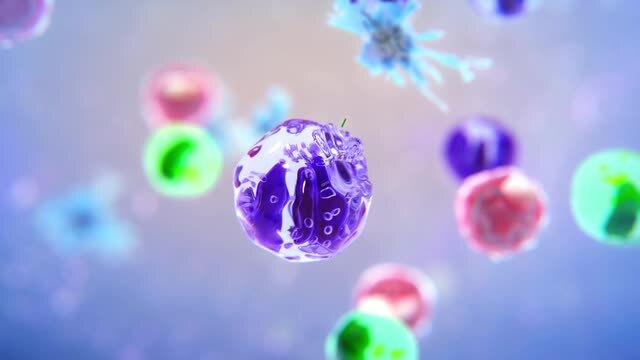
Immunology Overview and Definition the human body is constantly exposed to a wide range of pathogens, including bacteria, viruses, fungi, and parasites. Protecting itself from these threats is the complex role of the immune system. Immunology is the branch of biomedical science that studies the structure, function, and disorders of this system. A thorough immunology overview and definition can help both medical professionals and the general public understand how the body defends itself, the mechanisms of immunity, and the implications of immune dysfunctions.
What is Immunology?
Immunology is the scientific study of the immune system, encompassing both innate and adaptive immunity. The immune system is responsible for distinguishing between self and non-self, eliminating harmful pathogens, and maintaining homeostasis. Immunology not only investigates normal immune functions but also explores diseases caused by immune deficiencies, hypersensitivities, autoimmune disorders, and immune-related cancers.
The immune response is orchestrated by a network of specialized cells, tissues, and molecules, all of which work together to detect and neutralize harmful agents. This field combines elements of biology, biochemistry, microbiology, and clinical medicine, making it essential for developing vaccines, therapies, and diagnostic tools.
Key Components of the Immune System
The immune system can be divided into two main arms: innate immunity and adaptive immunity. Each plays a unique role in protecting the body from infections.
Innate Immunity
Innate immunity is the body’s first line of defense and responds rapidly to invading pathogens. Key features include:
- Physical Barriers: Skin, mucous membranes, and epithelial layers prevent pathogens from entering the body.
- Cellular Defenses: Phagocytes such as macrophages and neutrophils ingest and destroy foreign particles.
- Chemical Defenses: Enzymes, acidic pH, and antimicrobial proteins provide immediate protection.
- Inflammatory Response: Localized inflammation recruits immune cells to sites of infection and promotes tissue repair.
Innate immunity is non-specific, meaning it targets all pathogens in a generalized way rather than recognizing a specific invader. While this response is fast, it does not provide long-term immunity.
Adaptive Immunity
Adaptive immunity is a highly specialized system that develops after exposure to specific antigens. It involves:
- B Lymphocytes (B Cells): Responsible for producing antibodies that neutralize pathogens.
- T Lymphocytes (T Cells): Include helper T cells that coordinate immune responses and cytotoxic T cells that destroy infected cells.
- Memory Cells: Both B and T cells form memory cells, allowing the immune system to respond more efficiently upon subsequent exposures.
Adaptive immunity is slower to activate than innate immunity but provides long-lasting protection and specificity. Vaccination, for example, leverages this mechanism to prevent diseases.
Organs and Tissues Involved in Immunity
The immune system relies on specialized organs and tissues to produce and mature immune cells:
- Bone Marrow: The primary site for the production of all blood cells, including immune cells.
- Thymus: Where T lymphocytes mature and are selected for self-tolerance.
- Lymph Nodes: Filter lymph fluid and provide an environment for antigen presentation and immune activation.
- Spleen: Filters blood, removes old or damaged cells, and coordinates immune responses to blood-borne antigens.
- Mucosa-Associated Lymphoid Tissue (MALT): Found in respiratory, gastrointestinal, and urogenital tracts, providing local immune protection.
Each organ has a distinct role, yet they all work synergistically to maintain immunity and prevent infection.
Immune System Disorders
When the immune system malfunctions, it can lead to a variety of disorders:
- Immunodeficiency Disorders: Conditions such as primary immunodeficiency or acquired immunodeficiency (e.g., HIV/AIDS) result in a weakened immune system, increasing susceptibility to infections.
- Autoimmune Diseases: In autoimmune conditions like rheumatoid arthritis or lupus, the immune system mistakenly attacks the body’s own tissues.
- Hypersensitivities and Allergies: Overactive immune responses to harmless substances, such as pollen or food proteins, cause allergic reactions.
- Immunoproliferative Disorders: Abnormal growth of immune cells, such as in leukemia or lymphoma, disrupts normal immune functions.
Understanding these disorders requires a detailed knowledge of both normal and pathological immune mechanisms.
Advances in Immunology
Immunology is a rapidly evolving field. Recent advancements have revolutionized medicine, improving diagnostics and treatment strategies:
- Vaccines: From traditional inactivated vaccines to modern mRNA vaccines, immunology research has paved the way for preventive medicine.
- Immunotherapy: Treatments like checkpoint inhibitors and CAR-T cell therapy target immune cells to fight cancer.
- Monoclonal Antibodies: Laboratory-produced antibodies are used for autoimmune diseases, infections, and oncology.
- Genetic and Molecular Research: Understanding the genetic basis of immune responses allows for personalized therapies and early disease detection.
These developments not only enhance patient care but also deepen our understanding of immune mechanisms at a cellular and molecular level.
Practical Implications of Immunology
Knowledge of immunology has practical applications in medicine, public health, and research:
- Disease Prevention: Vaccination campaigns rely on understanding adaptive immunity.
- Transplant Medicine: Matching donors and recipients for organ transplants requires knowledge of immune compatibility.
- Infection Control: Understanding pathogen-host interactions helps manage epidemics and pandemics.
- Research and Innovation: Immunology drives the development of novel therapies for chronic diseases, cancer, and emerging infectious diseases.
By applying immunological principles, healthcare professionals can improve outcomes and develop strategies to protect populations from infectious and immune-mediated diseases.
Lifestyle Factors and Immune Health
The immune system’s efficiency is influenced by lifestyle factors such as:
- Nutrition: Balanced diets rich in vitamins, minerals, and antioxidants support immune function.
- Exercise: Regular moderate exercise enhances immune surveillance and reduces inflammation.
- Sleep: Adequate sleep is crucial for maintaining immune memory and hormonal regulation.
- Stress Management: Chronic stress suppresses immune function and increases vulnerability to infections.
Integrating these healthy habits complements medical interventions and contributes to overall immune resilience.
Conclusion
The immune system is an intricate network of cells, tissues, and molecules working together to protect the body from disease. A clear immunology overview and definition highlights its complexity, from innate and adaptive immunity to disorders and medical applications. Advancements in research, vaccines, and therapies continue to improve our ability to prevent and treat immune-related conditions. Understanding immunology is essential not only for healthcare professionals but also for individuals seeking to maintain their health and well-being.
Immunology Overview and Definition By appreciating the dynamics of immune function, people can make informed lifestyle choices and understand the science behind modern medical treatments. Immunology remains a cornerstone of medicine, offering insights that directly impact public health, patient care, and scientific innovation.
FAQs
1. What is the main purpose of immunology?
Immunology studies the immune system to understand how the body defends itself against infections and diseases. It explores the mechanisms of innate and adaptive immunity, immune disorders, and therapies, enabling advancements in prevention and treatment strategies.
2. How does innate immunity differ from adaptive immunity?
Innate immunity is a fast, non-specific response that acts as the first line of defense against pathogens. Adaptive immunity is slower but highly specific, involving B and T cells, and creates memory cells for long-term protection.
3. What are common immune system disorders?
Common disorders include immunodeficiency conditions like HIV/AIDS, autoimmune diseases such as lupus, hypersensitivities causing allergies, and immunoproliferative disorders like leukemia and lymphoma.
4. How does lifestyle affect immune health?
Nutrition, regular exercise, sufficient sleep, and stress management enhance immune function. Poor habits such as a sedentary lifestyle, inadequate nutrition, or chronic stress can weaken immunity and increase disease susceptibility.
5. What are recent advancements in immunology?
Modern immunology has advanced vaccines, immunotherapy, monoclonal antibodies, and genetic research. These developments improve prevention, treatment of cancers, autoimmune disorders, and infectious diseases, contributing to personalized medicine.