
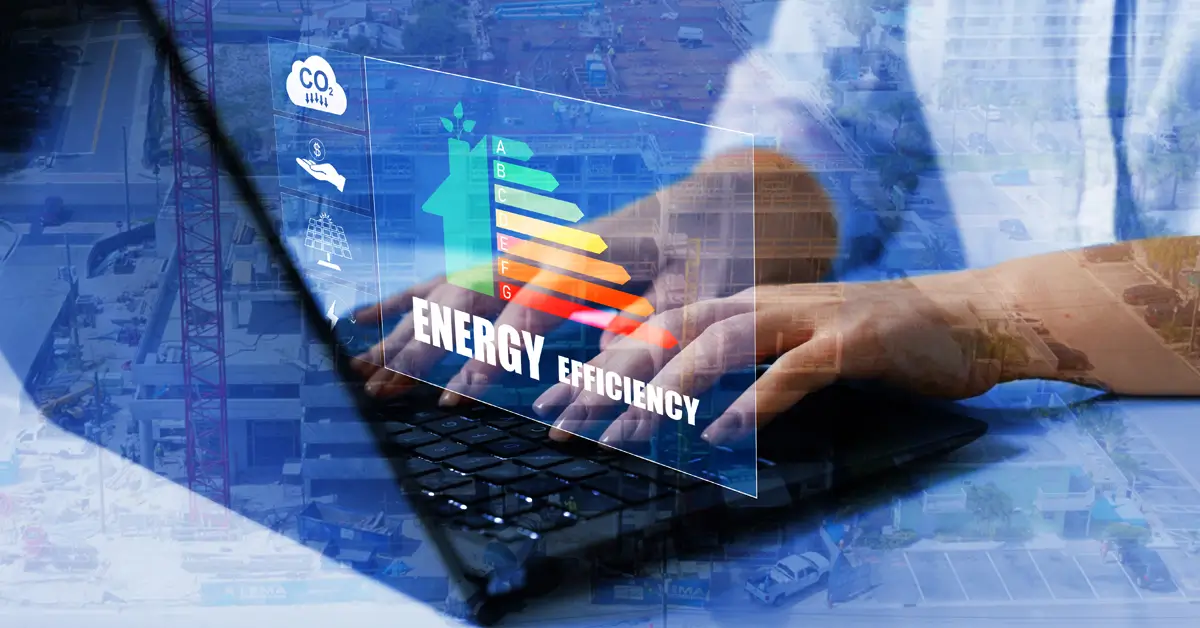
If you’re running a business in the current climate, you don’t need us to tell you that overheads are a constant headache. Between fluctuating market conditions and the general cost of doing business, one of the biggest “silent” drains on your bottom line is often your energy bill.
But here’s the good news: energy efficiency isn’t just about “being green” or hitting ESG targets. It is a savvy financial move. Every pound you save on a kilowatt-hour is a pound that goes straight back into your cash flow.
Understanding how to trim the fat from your energy usage can help you future-proof your business against price spikes and keep your operations lean.
The “Low-Hanging Fruit”: Lighting and Habits
The easiest place to start is often the most overlooked. If your office or warehouse is still relying on old-school halogen or fluorescent bulbs, you are essentially burning money.
Switching to LED lighting is one of the fastest ways to see a return on investment. LEDs use up to 80% less energy and last significantly longer, meaning you save on both the electricity bill and the maintenance costs of replacing bulbs.
In plain English:
- Sensor lighting ensures you aren’t paying to light empty hallways or bathrooms.
- The “Off” Culture: Encouraging staff to power down monitors and equipment at the end of the day can shave a surprising amount off your monthly spend.
Heating and Cooling: The Big Spend
For most UK businesses, heating and cooling account for the lion’s share of energy consumption. If your HVAC system is dated, it’s likely working twice as hard as it needs to.
Investing in a smart thermostat allows you to zone your heating. Why heat a storage room to the same temperature as an active office floor? By automating your climate control to match your actual working hours, you prevent “ghost heating” during the weekends and evenings when the building is empty.
The Efficiency Audit
You wouldn’t run a marketing campaign without checking the data, so why do the same with your business energy? An energy audit is the “crystal ball” for your utility bills.
A professional auditor can identify where heat is escaping – often through poor insulation or draughty windows – and where machinery might be drawing “vampire power” even when idle. By identifying these leaks, you can prioritize the upgrades that will give you the biggest “bang for your buck.”
Upgrade Your Equipment
If your business relies on heavy machinery, refrigeration, or even just a bank of servers, the age of your equipment matters. Newer models are built with strict energy-efficiency standards.
While the upfront cost of a new A-rated appliance might seem steep, the total cost of ownership is often much lower when you factor in the reduced energy draw over five years. Think of it as a capital investment in your future margins.
Renewables: Taking Control of the Source
If you want to stop being at the mercy of the energy markets, it might be time to look at on-site generation.
Solar panels (PV) have become significantly more affordable for commercial properties. By generating your own power, you reduce your reliance on the grid and, in some cases, can even sell excess energy back via the Smart Export Guarantee. It’s the ultimate way to hedge against future energy price volatility.
Navigating the Transition
Becoming an energy-efficient business doesn’t happen overnight, but the cumulative effect of small changes can be massive for your profitability.
If you’re worried about the initial costs of upgrading your tech or premises, there are often government grants or “green” business loans designed to help SMEs make the switch. Taking action now ensures that when energy prices fluctuate, your business remains resilient and competitive.