

Industrial rust removal has traditionally involved sandblasting, chemical solvents, or manual scraping. Each method carries drawbacks that plant managers know all too well: abrasive media contamination, hazardous waste disposal, downtime, and inconsistent surface quality. Newer beam-based methods offer a cleaner path forward, but selecting the right system for your facility requires more than comparing product sheets.
The wrong choice leads to lost productivity, subpar results, or equipment that sits idle because it cannot handle the substrates on your shop floor. Getting it right means matching wattage, pulse behavior, cooling design, and portability to the actual work you do, whether that is stripping oxide from weld seams, restoring molds, decontaminating tooling, or preparing surfaces for repainting.
This guide walks through the decision points that matter when evaluating industrial-grade equipment. You will find practical criteria for sizing power output, comparing pulsed against continuous-wave systems, budgeting for consumables, and vetting after-sales support. Read on to avoid the most common purchasing missteps before the invoice is signed.
Matching Laser Power to Your Cleaning Task
Power output is the first specification most buyers look at, and for good reason. It determines both the range of contamination you can remove and how quickly you can cover a given area. Undersize the machine and you will fight thick oxide layers all day. Oversize it and you burn capital and electricity on capability you never use. Pairing wattage to the actual job is where good laser cleaning decisions start.
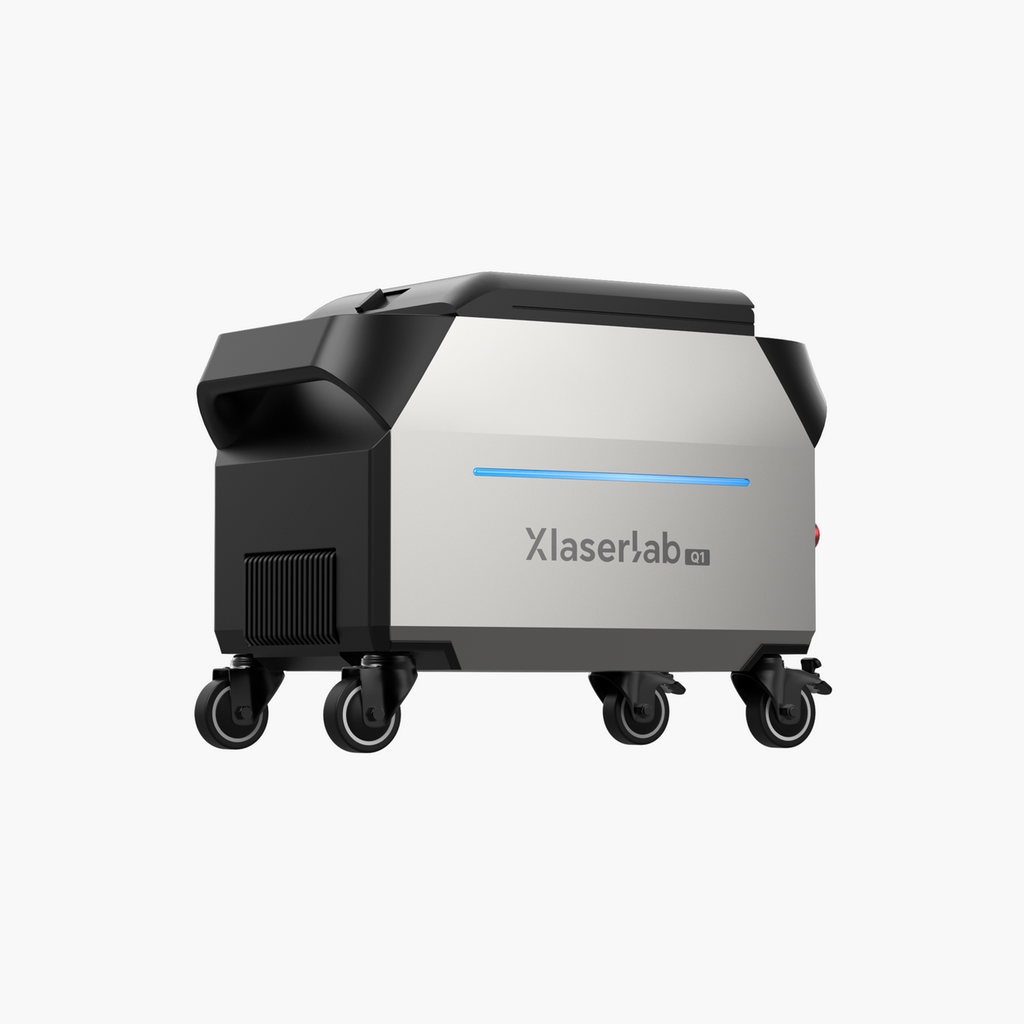
For light contamination such as thin oxide films, paint overspray, or oil residues, a hundred to two hundred watts is often enough. Mid-range systems in the three hundred to five hundred watt band handle heavier rust, weld slag, and moderate coating removal from structural steel. Once you move above a kilowatt you enter territory suited to shipyards, rail maintenance, and heavy manufacturing where thick scale and full paint stripping are daily work. Also consider duty cycle: a machine rated for continuous eight-hour operation will outlast one designed for intermittent use, even at similar peak output ratings.
Pulsed Versus Continuous-Wave Systems
Beyond wattage, the beam delivery mode fundamentally changes how the machine interacts with the surface. Pulsed lasers emit short, high-peak bursts of energy that vaporize contamination while leaving the substrate cool. This makes them ideal for delicate work: cleaning molds, restoring heritage metalwork, or preparing bond surfaces where any thermal damage would compromise the base material.
Continuous-wave systems, by contrast, deliver a steady beam that generates more sustained heat. They excel at rapid removal of thick coatings and heavy oxidation where speed matters more than surface preservation. The tradeoff is a larger heat-affected zone, which can be undesirable on thin sheet metal or heat-sensitive substrates. Many shops end up owning both types when their work spans a wide material range, but for most single-machine buyers, understanding which mode dominates your workload will guide the right choice.
Portability, Cooling, and Duty Cycle
The form factor of your machine matters as much as its power. Handheld portable units go where the work is, onto job sites, up scaffolding, into confined pipe interiors. Cabinet-mounted stationary systems stay in a fixed cell where they can be integrated with fume extraction, robotic manipulators, and part fixtures for automated throughput.
Cooling design goes hand in hand with portability. Air-cooled machines are lighter, quieter, and simpler to deploy, but their peak wattage is capped by thermal limits. Water-cooled units handle higher continuous output but add plumbing, weight, and a coolant maintenance routine. If your team plans to run the machine six or more hours a day near peak load, water cooling pays for itself in reliability. For a service tech visiting several sites a week, air-cooled models offer the mobility advantage that keeps jobs moving between customer locations.
Total Cost of Ownership Beyond the Sticker Price
The purchase price is only part of the calculation. Electricity, floor space, and consumables all factor into what the machine actually costs to run over five years. One of the strongest arguments for beam-based methods is the absence of consumable abrasives: no sand, no beads, no chemical strippers to purchase, dispose of, or contain. Over a facility’s operating life, those savings often exceed the difference between a laser and a conventional blast cabinet.
Optics do wear, however. Protective windows and lenses need periodic replacement, and the interval depends on how dirty the work is and how well the fume extraction pulls debris away from the optical path. Budget for a supply of consumable optics and plan preventive replacement rather than waiting for beam quality to visibly degrade. Training costs are also real but modest compared to arc welding or machining; most operators reach basic proficiency within a week of hands-on use.
Vetting the Supplier Behind the Machine
Even the best hardware fails without support. When evaluating vendors, dig past the sales brochure. How long is the standard warranty? Are replacement optics stocked domestically or shipped from overseas with a multi-week lead time? Does the supplier offer remote diagnostics, or must a technician travel to your site for every fault code? Established manufacturers like Xlaserlab publish clear support terms and maintain regional parts inventories, which shortens downtime when something does go wrong. Ask for references from customers in your industry and call them before committing.
Making the Confident Purchase Decision
Choosing the right industrial cleaning system comes down to honest self-assessment: what materials you clean, how much time the machine will run, and what happens when it needs service. Match power to workload, pick pulsed or continuous based on substrate sensitivity, and factor cooling and portability into how the machine will actually live in your facility. Then vet the supplier as carefully as the specifications. A well-chosen system quietly earns its place in the shop for years; a poorly matched one becomes an expensive reminder to plan the next purchase more carefully. Take the time to walk through each criterion above before signing the purchase order.