Unforeseen Changes In Domestic Fitness
One of the things nobody warned us about was that home fitness would once be grim. A single DVD. Some bland set. A smiling instructor who somehow finds joy while you wheeze through a routine you know by heart. Twice was normal. Three times a good week. Then a drawer and a vague promise you’d pick it up again soon. You didn’t, and you still haven’t. That DVD lives on in your possession. Buried under older and forgotten chargers, judging you. Waiting for you.
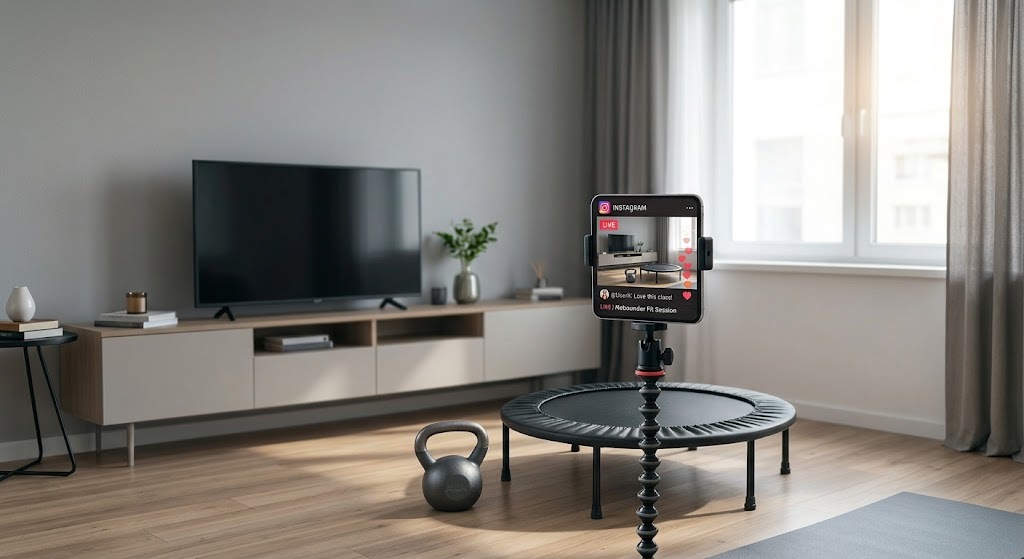
Instagram buried that version of itself, without the knowledge of meetings or strategy decks. No one stood up and decided they were the new home of exercise. It happened, the way most things do. A place for brunch plates and beach photos quietly became the engine room for home fitness, and the weirdest thing is that most of us didn’t notice. We looked up Tuesday morning and the living room had become a gym without asking for permission. Try explaining that to someone from 2015, and they’d think your sanity had wandered off with your motivation
The Scroll That Inadvertently Became A Workout
Say it plainly, and Instagram annihilates almost every excuse you might have. No bag. No commute. No sitting in a car park talking yourself in to going in and then returning home again. You open the app and find something that doesn’t make you want to cry, and simply move. The mechanism is it all nothing clever about it.
Which explains why people who spent years telling anyone who’d listen they “just weren’t gym people” are now training four or five times a week like it nothing at all.
The wall was removed, and once the wall is removed, good luck putting it back up again. People have tried. Doesn’t work. Ask anyone.
Reels completed the job, as everything becomes compressed because we have short attention spans. A whole session becomes five clips, and a warm up is fifteen seconds you don’t realize you’ve done. It suits us, scattered and half-distracted as we often are. One hand on our phones, the other on a cooling tea. One eye on the door, half listening to something. Exercise stops being a sentence we serve and becomes something we slot in to an ordinary Wednesday. A bigger deal than it sounds, particularly if you’re the sort that walked into a gym and immediately felt out of place and turned straight back round. Most of us are that sort. We don’t say it, not usually.
From Generic And Forgettable To Gear With A Personality
Five years ago, home fitness content was aggressively same. Push-ups, squats, jumping jacks. It repeats until you lose the will to continue.
Different story now. The feed is chock full of gear content, and it’s actually moving real money. Creators who once filmed bare, bodyweight routines are now bouncing on a rebounder, swinging a kettlebell, or working through a workout trampoline like it’s the most normal thing in the world. Each of these tools has grown its own little kingdom. Hashtags. Loyal followers. Micro-influencers who built their audiences around a single object. One object. That’s the bar now. That’s all you need.
It counts for more than you might realize, too. Instagram does more than tell people what to do. It tells them what to buy. Thirty seconds of bouncing easily on a rebounder and sales can jump within days. The brands took notice quickly, and many now spend their budgets in creator partnerships, rather than in glossy commercials, because a familiar face demonstrating something is always better than an unfamiliar one doing so. The ad agencies are still playing catch up. Still. Years later. Still losing.
Why These Three Tools Totally Took Over
Not every bit of kit gets its moment. The ones that do tend to share some. They film well. Don’t take over your flat. Produce something people want to show off. The big one. The others barely matter without it.
The rebounder hits the three. Fits a small flat. Good for a complete beginner. Bouncy enough to make you look fun on a camera. Creators tout it as low-impact cardio that’s good for the joints while still getting the heart going, and that’s something that will appeal to the recovering athlete and the novice at the same time. That’s rare. That’s why it won’t leave your feed. You’ll see one tomorrow. Guaranteed. Probably before lunch. Probably twice.
The workout trampoline leans on play, and content around it rarely feels like punishment. Like being a child. A strange thing to say of exercise, but there it is. Clever angle, given how many people are burned out on fitness which takes everything like an exam. The algorithm works that out before most creators do. You probably have, too, if you’ve ever scrolled over ten grim workout clips to watch someone bounce about their living room grinning like an idiot. And you have. We all have. Don’t pretend otherwise.
The kettlebell sits on the strength side of the fence. Compact, absurdly versatile. Perfect for the short, sharp circuits that do so well in Reels. One kettlebell covers swings, squats, presses, carries. That’s a whole training plan in one object, which makes it ideal for creators who want variety without transforming their front room into a warehouse. Its rise has pushed it from a gym-nerd tool to a genuine home fitness staple. Happened in front of us. Nobody blinked. Didn’t notice until it was done. And now it’s just there. Normal. Everywhere.
The Psychology Nobody Wants To Admit
Instagram sells an identity. The workout is almost secondary. Follow someone who trains at home with a rebounder or kettlebell and you’re not really learning exercises. You’re buying in to a version of yourself. The calm morning session. The tidy room. The coffee afterwards. The person organised enough to move their body before the day eats them alive. You want to be that person. Always has been.
It does more work than any list of health benefits ever could. Nobody wakes up desperate for a lecture on cardiovascular health. Nobody. But plenty of people wake up wanting to feel like the version of themselves they keep seeing on a screen. The gap between what you are and what you’d prefer be is where Instagram lives. Always has been. Probably always will.
Community does the rest. Comment sections become support groups. Challenges spread through Stories. A solo workout becomes part of something bigger, and keeps people turning up in a way a dusty DVD never could. Then there’s the accountability hiding in plain sight. Post your workout, even to five followers, and you’ve made a small promise. Keeps people consistent, far better than any reminder notification ever designed. Notifications get swiped away. Promises stick. Funny how that works.
What This Actually Means For You
The good side is obvious. Fitness is cheaper, broader and easier to reach than it’s ever been. Twenty minutes, a phone and a kettlebell can build a genuinely solid routine without leaving the house. Someone working through an injury can find gentle rebounder sessions. Someone who hates gyms can finally find a version of exercise that feels like theirs rather than borrowed from someone else. That’s not a small thing. That’s the whole point. That’s why any of this matters.
The bad side deserves a mention too. The feed is exhausting. Trends move fast. Easy to feel permanently behind. Wrong gear. Wrong plan. Missing whatever routine everyone seems to love. Comparison slips through the back door, and the urge to perform for an audience rather than for yourself. That’s the quiet tax. Add up slowly, then all at once. Then buying things you don’t need because a stranger on the internet looked good doing. And you know it. And you buy it anyway.
The best way to handle is to treat Instagram like a menu, not a rulebook. Take what works. Scroll past the rest. A workout trampoline may suit you, and do nothing for someone else. The aim is to build something you’ll stick with after the trend cycle moves on. Which it will.
Where This Is All Heading
Instagram’s grip on home fitness will only tighten. Shopping features, live classes, creator storefronts. It’s slowly becoming a full fitness ecosystem. The line between content, community and commerce is blurred, and most users have accepted that. They’re not resisting. Leaning in. Both feet.
One thing won’t change: convenience, personality, variety. As long as creators continue to make fitness more human than corporate, people will continue to come. They’ll continue to buy the gear that helps them do it. That’s not a trend. Just how it is now.
Quick Summary: What’s the core focus?
The core of it is that Instagram has pulled home fitness away from generic routines towards trend driven, equipment specific content. The platform rewards short, visual, personality led workouts which directly shapes what people buy and how they train. Tools like the rebounder, workout trampoline and kettlebell became the symbols of that shift because they’re compact, camera-friendly and easy to build a niche around. The bigger takeaway is that Instagram isn’t just reflecting on home workout trends, but creating them, and the smartest users treat it as inspiration rather than instruction.
Frequently Asked Questions
Do I need special equipment to follow Instagram workouts?
Not at all. Plenty of creators stick to bodyweight only routines, and those work well.Gear like a kettlebell or rebounder simply expands your options and prevents sessions from getting stale.
Is a rebounder good for beginners?
Generally yes, it’s low-impact and easy to ease in to. Part of the reason it blew up on the platform in the first place. Start slow, check with a professional if you’ve got joint or balance concerns.
How often should I use a workout trampoline?
Three to five short sessions a week works well for most people. Consistency beats duration, particularly in the beginning. Ten focused minutes beats an hour you dread.
Can one kettlebell replace a full home gym?
For a lot of people, yes. A single kettlebell covers a huge range of strength and cardio movements. Exactly why it’s one of the most owned pieces of home gear around.
Are Instagram fitness trends worth following?
Some are, some are not. Test what fits your goals and skip the rest without guilt. Trends are a starting point, not a standard you have to meet.
Why do home workout trends spread so fast on Instagram?
Because the platform rewards what looks good and feels achievable in under a minute. Someone sees a rebounder clip at 7am, orders one by lunch. That’s the whole story.