

Every trail tells a different story through your tires. Loose gravel, root-covered singletrack, wet clay, and hardpack fire roads each demand something different from the rubber beneath you, yet many riders stick with whatever came stock on their bike long after it stops making sense. Picking the right mountain bike tire is less about chasing the newest release and more about matching tread, width, and casing to where you actually ride.
This guide walks through the practical decisions that shape tire performance: how tread patterns respond to different surfaces, how width and volume change the way a bike feels underneath you, and what tubeless setups mean for everyday riding. None of it requires guesswork once you understand what each variable actually does on the trail.
Understanding Tread Patterns for Different Terrain
Tread pattern is the first thing to get right, because it determines how a tire interacts with the surface underneath it. Closely spaced, low-profile knobs roll fast and quiet on hardpack and groomed trails, but they lose bite the moment things get loose or wet. Widely spaced, taller knobs dig into soft dirt and mud, trading some efficiency for confidence when the ground gets unpredictable.
Riders who split their time between dry summer trails and muddy spring conditions often end up with two tire setups rather than trying to force one tread to do everything well. If your local trails lean toward one extreme, browsing mountain bike tires built specifically for that terrain will save you from constant compromise. Pay attention to knob shape too. Rounded knobs shed mud more easily, while squared-off edges bite harder into hardpack corners.
Center tread height matters just as much as the side knobs. A tire with a low center ridge and aggressive shoulder knobs is often a good middle ground for riders who need straight-line speed but still want cornering traction when the trail twists.
Matching Tire Width and Volume to Your Riding Style
Width changes how a tire absorbs impact and how much air volume it holds, which directly affects comfort and grip. Narrower tires accelerate faster and feel snappier on smooth trails, while wider options soak up chatter and let you run lower pressure without pinch-flatting on rocks and roots.
Wide Tires for Traction
Wider tires flatten out slightly under load, creating a larger contact patch with the ground. This extra surface area translates into more predictable grip on loose corners and steep descents, which is why many enduro and trail riders have shifted toward wider setups even at the cost of a bit of rolling resistance. If your rides involve technical descents more than long climbs, leaning wider is usually the safer bet.
Cross-country riders chasing efficiency often go the opposite direction, choosing narrower tires that keep rolling resistance low across long, steady efforts. There is no universally correct width, only the right width for the riding you actually do most often.
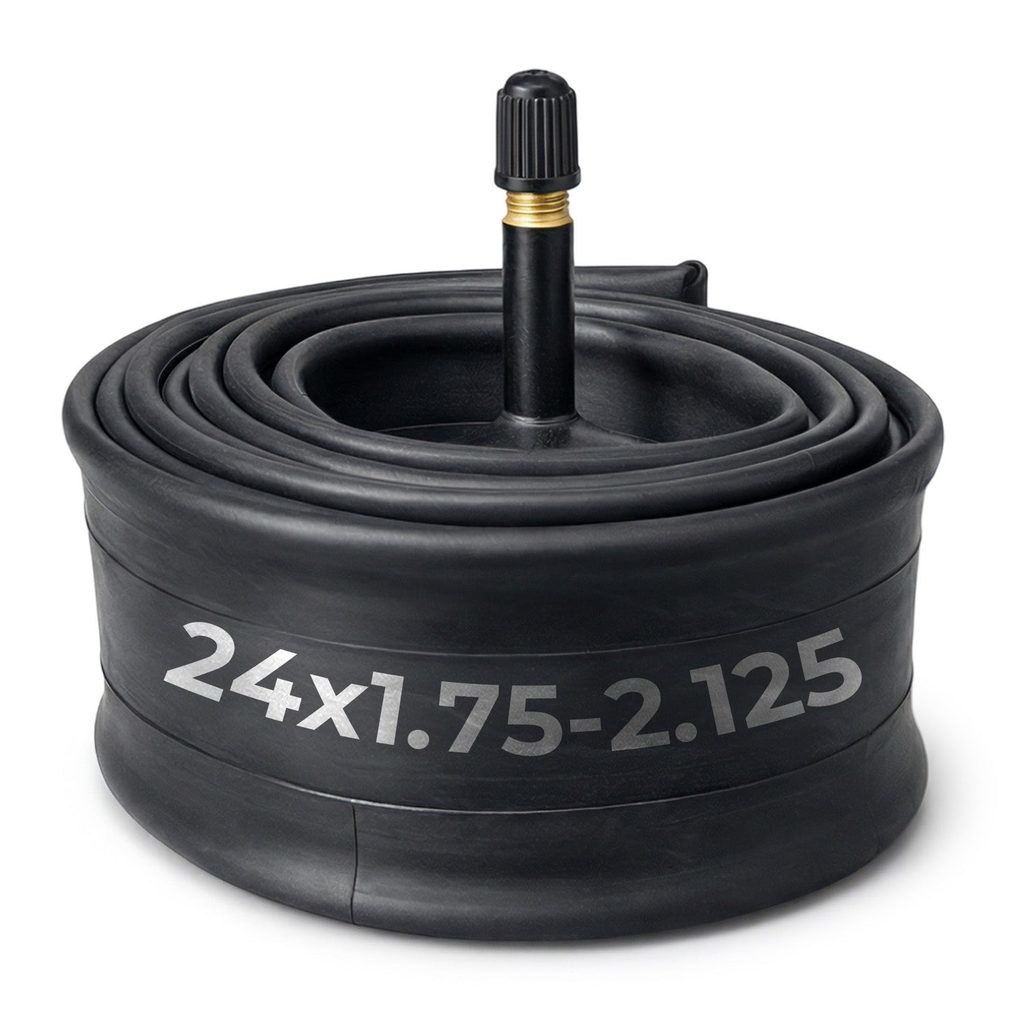
Tubeless Setup Considerations
Switching to a tubeless setup changes how a tire performs almost as much as changing the tire itself. Running lower pressures without the risk of pinch flats improves traction and comfort, especially on rocky or root-heavy trails where tube systems are prone to punctures. Sealant fills small cuts on the fly, which means fewer trailside repairs over a season of riding.
The trade-off is setup complexity. Tubeless rims, valves, and sealant require occasional maintenance, and not every tire and rim combination seats cleanly without some patience. Riders who tackle rough, technical terrain regularly tend to find the setup effort worthwhile, while casual riders on smoother trails may not need the added maintenance. Brands like Juceo design their tubeless-ready models with wider bead seats specifically to make that setup process less frustrating for riders trying it for the first time.
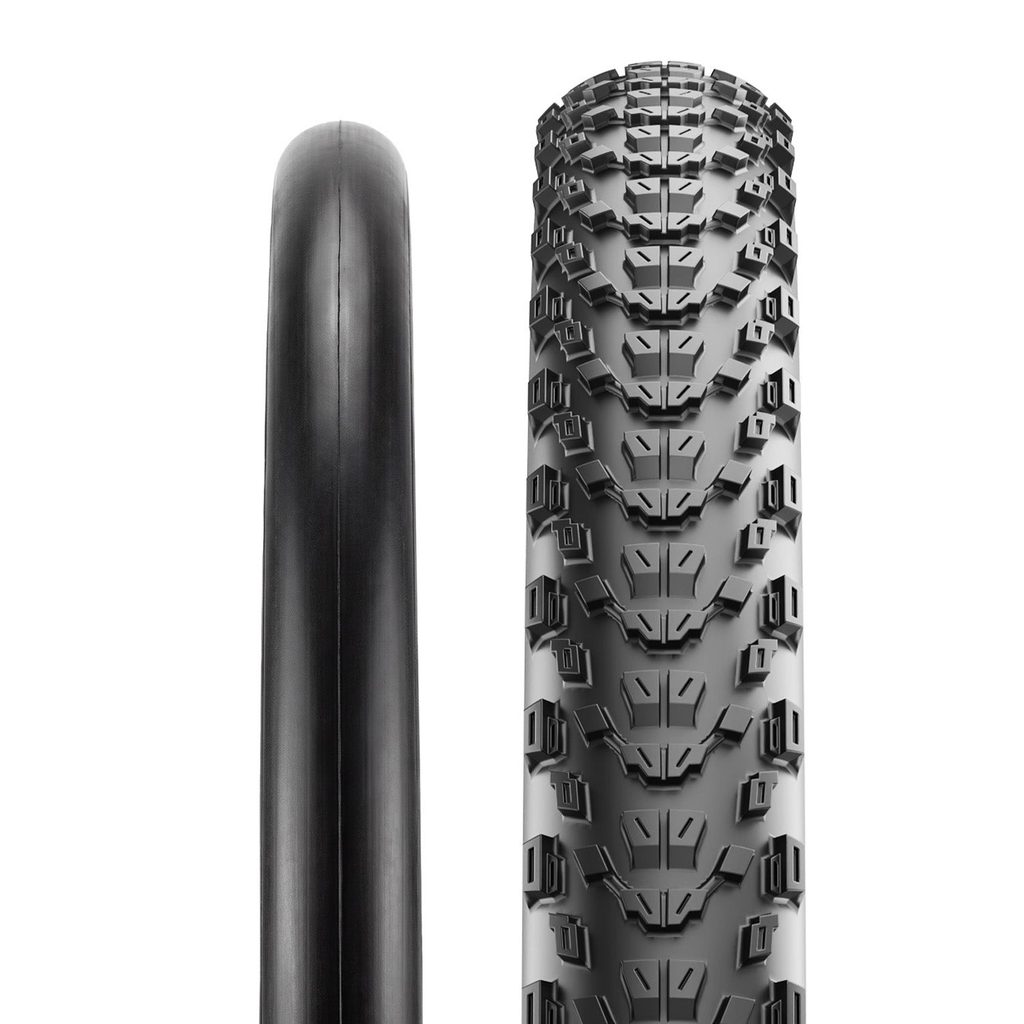
Whichever setup you choose, matching tire volume, tread, and pressure to your terrain will do more for your ride quality than any single upgrade in isolation.
Putting the Right Tire Under You
Choosing tires well comes down to being honest about where and how you ride. Match tread aggressiveness to your terrain’s moisture and looseness, pick a width that supports your riding style rather than fighting it, and only commit to tubeless if the maintenance trade-off fits your riding habits.
Small adjustments in pressure and tread choice often reveal how much untapped grip and comfort your bike already has. Start with the terrain you ride most, test a setup that matches it, and adjust from there. The right combination will feel obvious once you find it, and your next ride will show the difference immediately.