
Shopping for your first self cleaning litter box is a strange experience. Every product page promises freedom from scooping, and every review section contains at least one cat that refused to go near the thing. The truth sits between those extremes. A self cleaning litter box genuinely reduces daily work, but only if it suits your cat, your space, and your willingness to maintain it. First-time buyers get tripped up less by technology than by expectations.
This guide is written for the person who has never owned one and does not want to learn through returns. It covers what the machine will and will not do, the details that predict whether your cat will accept it, and the questions to ask before the box arrives. None of it requires technical knowledge, and all of it is easier to handle before purchase than after.
What the Machine Does and What It Leaves to You
The core function is simple: after a cat uses the box, the unit sifts clean litter away from waste, deposits the waste in a sealed drawer, and levels the surface for the next visit. That happens without you. What does not happen without you is the rest of the routine. You still fill the litter, empty the drawer, wipe the interior during deep cleans, and replace the filter now and then. Think of it as outsourcing the scoop, not the ownership.
That framing matters because the most common first-time disappointment is expecting a machine that runs itself. It does not need much, but it needs something, and the households that are happiest with automation are the ones that built a short weekly routine around it. Ten minutes on a Sunday covers the drawer, a quick wipe, and a litter top-up, and the machine handles the other 167 hours.
The Details That Decide Whether Your Cat Accepts It
Cats are conservative about bathrooms. A new box in a familiar spot can be rejected for reasons that have nothing to do with the technology: a different entry height, a smaller interior, a lid that feels enclosed, or a motor that startles. Before you buy, measure your current box and compare. If your cat is large, check the interior dimensions; if your cat is older, check the entry height; if your cat is skittish, check whether the cycle can be delayed or silenced.
The handover matters as much as the hardware. Place the new unit beside the old box, keep both available, and let the cat choose. Some cats switch within a day out of curiosity; others need the new machine to sit quietly for a week before they trust it. Run a manual cycle while the cat is out of the room so it can hear the mechanism without being surprised by it. This gradual introduction is the single biggest predictor of success, and it costs nothing but a little patience.
Entry Height, Interior Space, and Litter Type
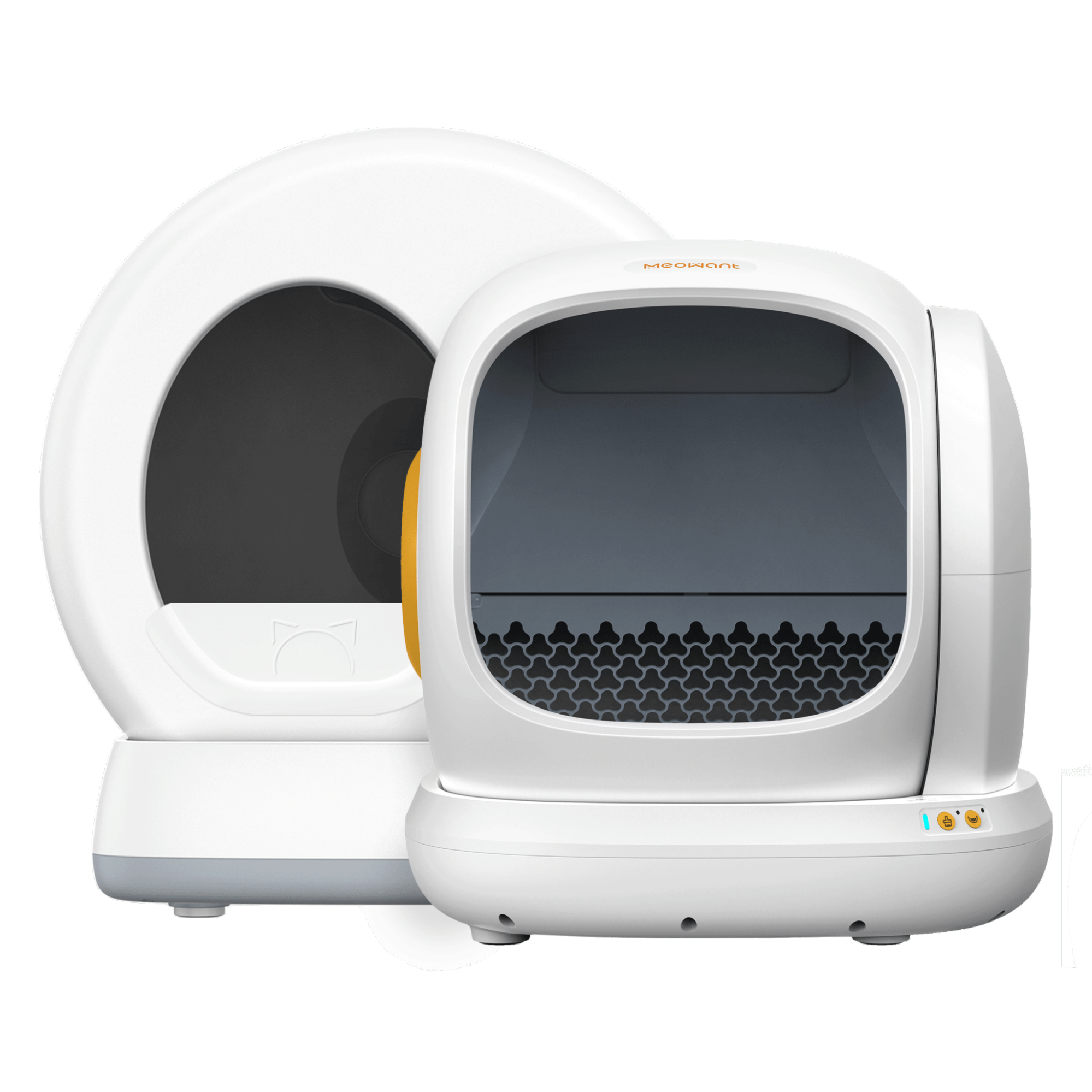
Three physical details deserve a place on your checklist. Entry height determines whether an older or smaller cat can step in comfortably. Interior space determines whether a large cat can turn around without touching the walls. Litter compatibility determines whether the mechanism runs smoothly or jams. Clumping litter with low dust is the safe default; lightweight and crystal litters can scatter or clog depending on the design. If your current litter is not on the recommended list, switching brands before the box arrives avoids a confusing first week.
Placement and Power Before the Unboxing
Automatic units need an outlet, a little floor clearance, and a location your cat already associates with the bathroom. Moving a box to a new room at the same time as switching to a new machine stacks two changes, and cats handle one at a time. Keep the location familiar if you can, and make sure the cord is routed where nobody will trip on it. A covered closet might seem tidy, but poor airflow turns a sealed drawer into a smell trap.
Ventilation and access are the two placement rules that matter. The box needs air moving around it and a clear path in and out. A corner with breathing room on all sides is ideal. Avoid placing it next to a noisy appliance that runs unpredictably, since sudden sounds from a washing machine can make a nervous cat abandon the area entirely.
Cost, Filters, and the Real Maintenance Schedule
Budget for more than the purchase price. Carbon filters, occasional replacement parts, and the litter you would buy anyway make up the running cost. The savings come from litter that lasts longer and waste bags that are smaller, but the upfront price is real and worth planning for. A reliable mid-range unit with a simple mechanism usually beats a feature-heavy model that needs service, especially for a first purchase.
The maintenance schedule is short but non-negotiable. Empty the drawer before it hits the fill line, which for one cat is usually about a week. Refresh the carbon filter monthly. Wipe the interior and check the seal during a quarterly deep clean. Clean the sensor area if dust builds up, since a blocked sensor can cause false cycles. Put these on a calendar for the first month until they become habit. A self cleaning litter box that is maintained on schedule runs quietly for years; one that is ignored becomes an expensive smell.
When Automation Is Not the Right Answer
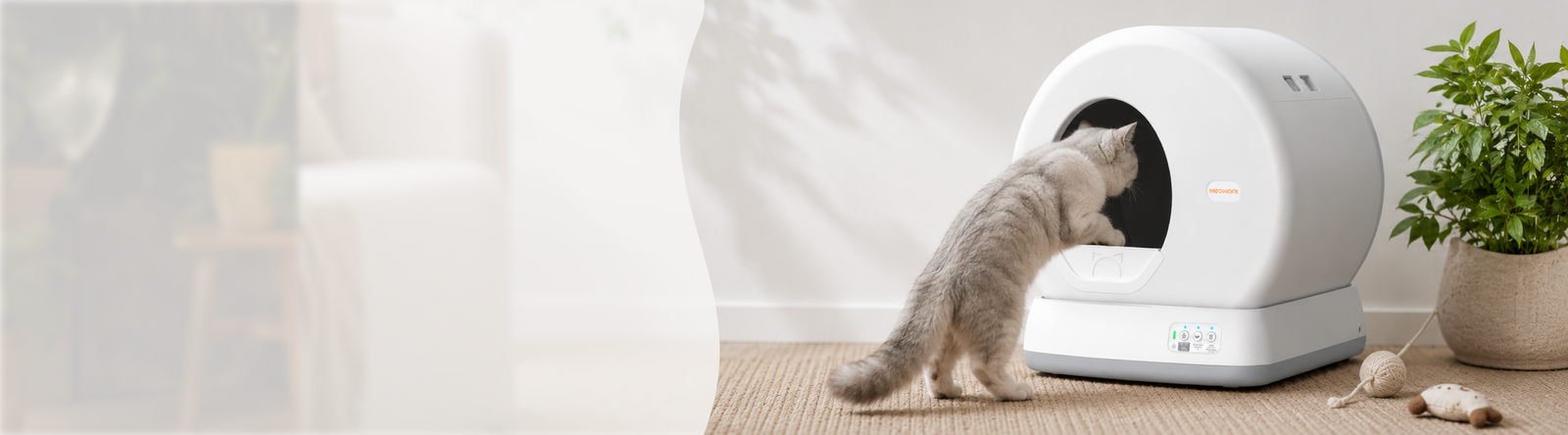
Not every household needs one. A single calm cat with a patient owner may be perfectly served by a manual tray, and a very young kitten or a cat with mobility issues may need closer supervision than a machine provides. If your cat has a history of avoiding new objects, or if your budget is tight, waiting is a reasonable choice. Automation is a tool for reducing repetitive work, not a requirement for good cat care.
What the First Month Actually Feels Like
The first month is where expectations meet reality, and it usually follows a predictable arc. Week one is novel for the cat and slightly anxious for the owner, who watches every cycle and worries about a jam. Week two is the test: the old box is still there, the cat has made a choice, and the owner either relaxes or starts second-guessing the purchase. By week three, the routine settles into something that feels normal, and by week four most owners wonder why the drawer seemed intimidating at first.
The common wobble is odor in week two, when the drawer is filling for the first time and the owner is not yet sure how often to empty it. Emptying early once or twice teaches you the real pace for your cat, and the smell resolves. The other wobble is a cat that uses the new box at night and the old one by day, which is a sign of cautious acceptance rather than failure. Give it time and remove the old tray only when the new one is clearly the default. Rushing that final step is the most common way first-time owners undo a good start.
Reading Reviews Without Getting Fooled
Reviews are useful once you know what to look for. Ignore the star average and read the complaints about cats refusing the box, motors failing after a few months, and drawers that are hard to empty. Those three themes predict real-world frustration better than any feature comparison. Look for reviews from owners with a similar cat size and household, since a glowing report from a single-cat apartment may not transfer to a three-cat home. A little skepticism before buying saves a return later.
Buy Once, Buy With Your Cat in Mind
A first self cleaning litter box works best when it is chosen for the cat that will use it, not for the feature list that looks best on a screen. Measure the entry and interior, confirm litter compatibility, place the unit where the old box already lives, and introduce it slowly with the old box still available. Set a short maintenance routine and keep the drawer from overfilling. Do those things, and the machine quietly does what it promised. Skip them, and even a good unit becomes a expensive disappointment. The technology is sound; the outcome depends on the preparation around it.