
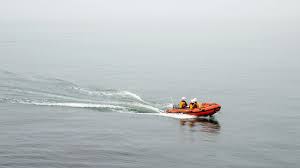
Water Changes How Accidents Unfold
A boating accident rarely happens in a neat, contained way. There’s no shoulder to pull onto and no clear pause button once something goes wrong. Boats drift, currents push them off course, and visibility can shift without much warning. Even after contact, vessels may keep moving, which can scatter people, equipment, and evidence. Because water behaves differently from a road, the legal system treats accidents on it differently, too. That gap between expectation and reality is often what catches people off guard.
Why Boating Rules Focus on Judgment
Boating laws are built around flexibility, mostly because the environment demands it. Conditions can change quickly, and operators are expected to respond to what’s happening in front of them. Speed limits exist, but they don’t excuse someone from slowing down when visibility drops or traffic increases. Right of way matters, but avoiding danger matters more. After an accident, attention often turns to how decisions were made in the moment. Investigators look closely at awareness, timing, and whether the operator adjusted to the situation as it unfolded.
Fault Often Comes From a Series of Small Mistakes
On the water, responsibility is rarely tied to a single action. One person may have been distracted, while another misjudged distance or speed. Because boats don’t stop quickly, those small errors can stack up fast. The legal system reflects that reality by allowing fault to be shared. It isn’t about spreading blame for the sake of it. It’s about acknowledging how accidents actually happen in moving, unpredictable environments.
Why Location Shapes the Legal Outcome
Where a boating accident happens can change the legal process in ways people don’t expect. A crash on a small lake may fall mainly under state law, while an incident on a navigable river or coastal water can bring federal maritime rules into play. Some areas involve both. Different agencies may investigate, and reporting requirements can vary. These jurisdictional details influence which laws apply and how responsibility is evaluated, even when two accidents look nearly identical on the surface.
Responsibility Can Extend Beyond the Person Steering
It’s easy to assume the operator carries all the blame, but boating cases often reach further. Boat owners may be responsible if they allow an unsafe vessel to be used. Rental companies can face questions about maintenance or whether proper instructions were given. Employers may be involved when boating is part of the job. The law looks at who had control and who had the ability to prevent harm. That wider view reflects how boating safety is usually a shared responsibility.
When the Legal Picture Gets Complicated
Boating accident cases tend to pull together several layers of law at once. State regulations, federal maritime principles, navigation rules, and safety standards can all overlap. Evidence might include weather conditions, vessel records, witness accounts, and even how wakes moved after the incident. For someone trying to make sense of it all, guidance from a maritime and admiralty law firm can help organize those pieces. The aim is clarity, not complexity, especially in situations shaped by constantly changing conditions.
Finding Clarity After the Water Settles
After a boating accident, the confusion can linger long after the water calms down. Memories differ, details blur, and the rules that apply aren’t always obvious. Understanding how boating law works helps bring structure to that uncertainty. It creates a way to sort through responsibility, protect legal rights, and address what happened in a fair, grounded way. In cases where so much depends on movement, timing, and judgment, that clarity can shape how the entire situation moves forward.