
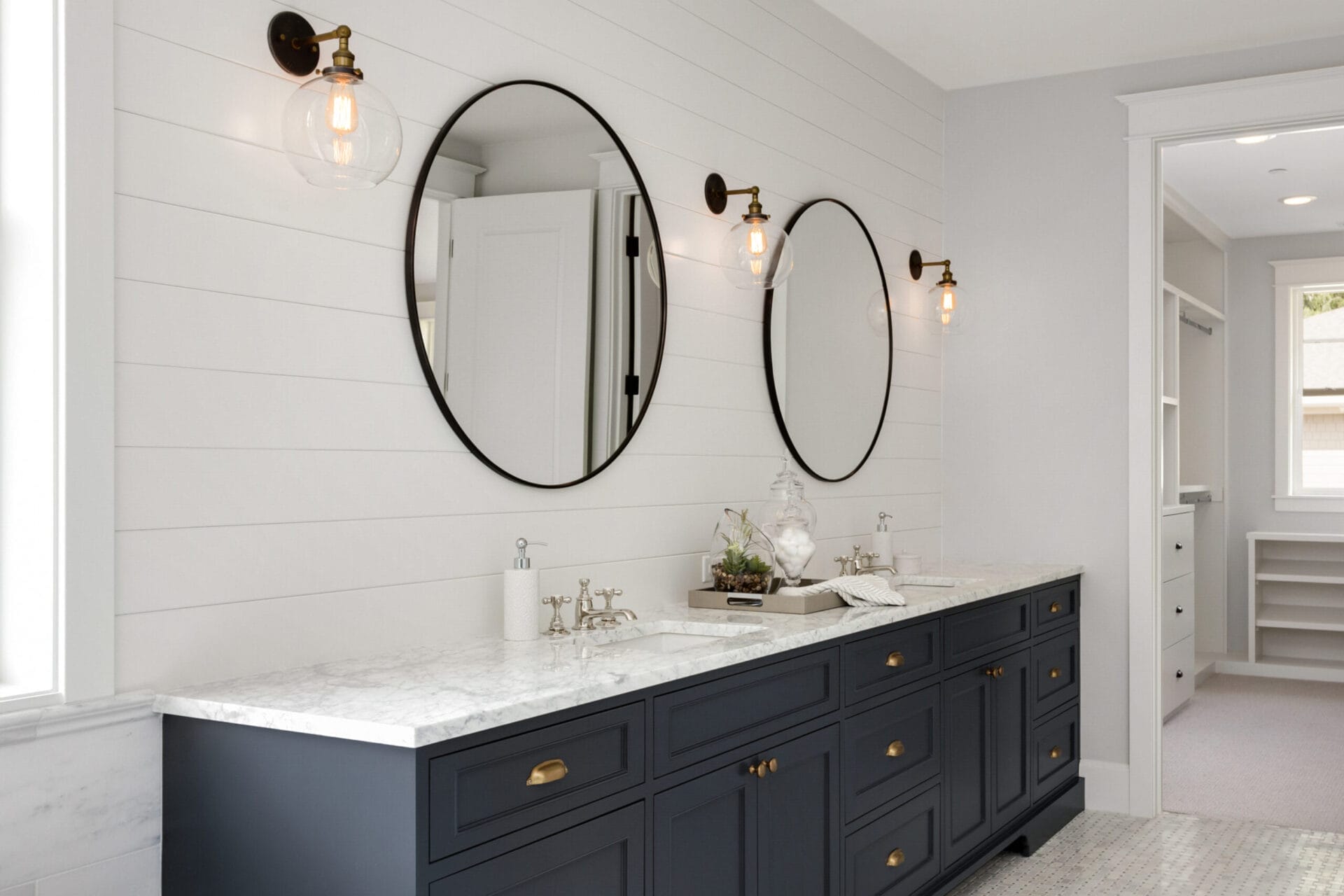
When it comes to bathroom design, many homeowners focus on tiles, vanities, and fixtures, but one essential element is often overlooked—lighting. Choosing the Best Light Bulbs for Bathroom is not just about illumination; it’s about creating the right balance of brightness, energy efficiency, and style. The right bulb can transform a bathroom from dull and shadowy to vibrant and functional, enhancing both safety and aesthetics.
In this guide, readers will discover the ideal bathroom light bulbs based on brightness, color temperature, energy efficiency, and style, making it easier to select the perfect option.
1. Understanding Bathroom Lighting Needs
Bathrooms require a combination of task lighting and ambient lighting. Unlike living rooms or bedrooms, bathrooms are spaces where precision is important—whether it’s shaving, applying makeup, or grooming. Poor lighting can cast shadows and make daily routines more difficult.
Therefore, homeowners should look for bulbs that provide:
- Adequate brightness (measured in lumens)
- A flattering yet functional color temperature
- Energy efficiency for long-term savings
- Moisture-resistant safety options for damp environments
2. Brightness – How Many Lumens Are Enough?
The ideal bathroom lighting usually requires 500–700 lumens per square meter. For smaller bathrooms, this might mean using two LED bulbs, while larger bathrooms may need layered lighting.
- Vanity areas: 1,500–3,000 lumens (to avoid shadows on the face)
- General lighting: 2,000–4,000 lumens for the entire room
- Accent lighting: 300–500 lumens to highlight design features
Choosing bulbs with dimmable options can also provide flexibility, creating bright light for tasks and softer light for relaxation.
3. Color Temperature – Warm vs Cool Light
Bathroom lighting should be functional yet inviting. Color temperature, measured in Kelvin (K), plays a key role:
- 2700K–3000K (Warm White): Cozy and soft, best for relaxing baths.
- 3500K–4000K (Neutral White): Balanced light, ideal for everyday grooming.
- 5000K (Daylight White): Crisp, clear lighting, best for makeup application and detailed tasks.
A combination of neutral to daylight bulbs is often recommended for mirrors, while ambient lighting can lean slightly warmer for comfort.
4. Energy Efficiency – Why LED is the Winner
In modern bathrooms, LED bulbs dominate the market thanks to their long lifespan, low heat emission, and significant energy savings. Compared to incandescent bulbs, LEDs use up to 80% less energy and can last more than 20,000 hours.
Other options include:
- CFL (Compact Fluorescent Lamps): Less common today but still more efficient than incandescent.
- Halogen bulbs: Provide bright light but generate more heat and consume more energy.
For eco-friendly homeowners, LEDs remain the most practical and cost-effective choice.
5. Style & Aesthetics – Matching Bulbs with Bathroom Décor
The best bathroom lighting isn’t just functional—it enhances the style of the space. Consider these choices:
- Frosted bulbs: Reduce glare and create softer lighting.
- Clear bulbs: Offer a sharp, elegant look in modern or industrial bathrooms.
- Globe bulbs: Perfect for vanities, adding a stylish, retro vibe.
- Smart bulbs: Allow adjustable color temperature and dimming through apps or voice control.
By combining style with performance, homeowners can create a bathroom that feels both modern and practical.
6. Safety Considerations – Damp & Wet Rated Bulbs
Bathrooms are high-moisture areas, so safety is crucial. Always choose damp-rated or wet-rated bulbs and fixtures for areas near showers or bathtubs. This ensures durability and prevents electrical hazards.
Conclusion
The Best Light Bulbs for Bathroom combine brightness, energy efficiency, and style to create a safe, functional, and visually appealing space. By considering lumens, color temperature, energy savings, and aesthetics, homeowners can elevate their bathroom experience.
For an in-depth guide to choosing the perfect bulb, visit Best Light Bulbs for Bathroom.