Your patio is more than just an outdoor extension of your home—it’s where morning coffee rituals happen, where weekend gatherings come alive, and where quiet evenings unfold under open skies. The right furniture transforms this space from a bare concrete slab into a genuine living area. Yet many homeowners find themselves stuck between two popular options: the sleek barrel chair and the timeless appeal of wicker furniture. Both promise comfort and style, but they serve different needs and budgets. If you’re a homeowner searching for stylish, affordable outdoor furniture that elevates your patio without draining your wallet, this comparison is designed for you. We’ll break down the key differences in style, durability, maintenance, and cost between barrel chairs and wicker furniture, then walk you through a practical decision-making process. By the end, you’ll have clear, actionable guidance to choose pieces that fit your space, complement your aesthetic, and deliver lasting value for every dollar spent.
Understanding Barrel Chairs and Wicker Furniture: A Basic Overview
What is a Barrel Chair?
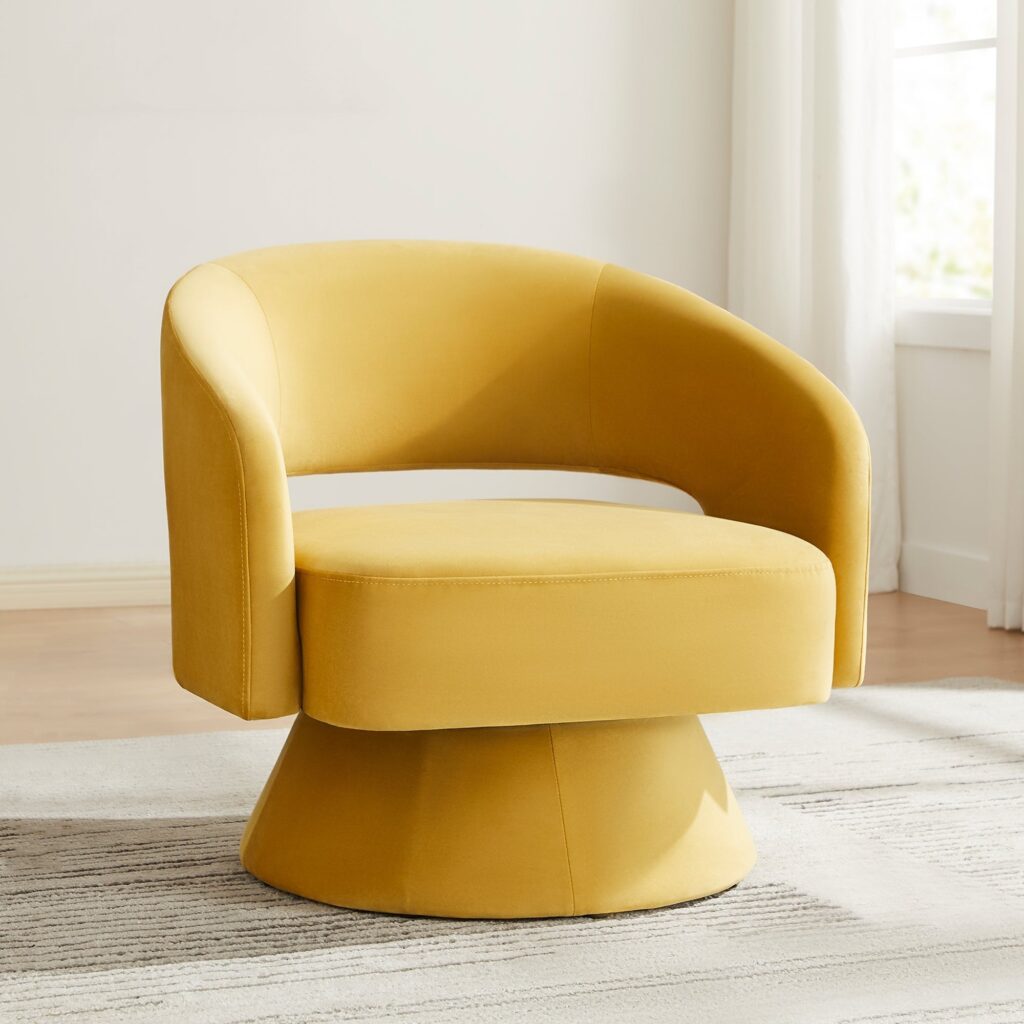
A barrel chair takes its name from its distinctive curved back, which wraps around the sitter like the staves of a barrel. Originally designed as indoor accent pieces in the early 20th century, these chairs have evolved significantly for outdoor use. Modern patio barrel chairs are typically constructed from weather-resistant materials such as molded resin, powder-coated metal, or polyethylene rattan woven over steel frames. Their compact, rounded silhouette makes them a natural fit for smaller patios, and they pair easily with outdoor bistro sets or standalone side tables. The enclosed design also offers a subtle sense of privacy and wind protection that open-back chairs simply cannot match.
What is Wicker Furniture?
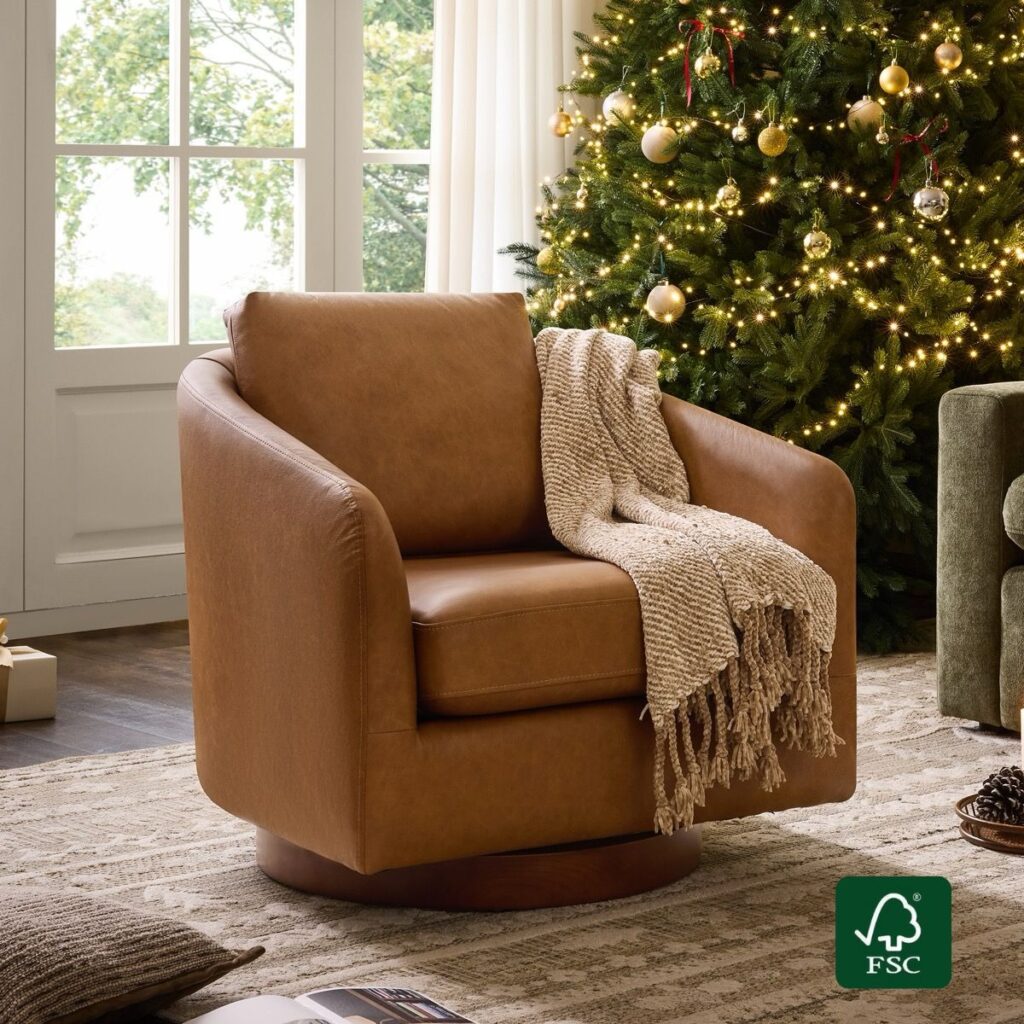
Wicker refers not to a specific material but to a weaving technique applied to various fibers. Natural wicker uses rattan, bamboo, or willow, while synthetic versions rely on polyethylene or resin strands engineered to withstand sun and rain. This versatility means wicker furniture spans everything from full patio dining sets to loveseats and coffee tables. Its textured, organic appearance brings warmth to any outdoor space, and synthetic options have made it one of the most accessible choices in the affordable outdoor furniture market. Whether you’re furnishing a sprawling deck or a cozy balcony, wicker’s range of forms and price points ensures there’s an option that fits.
Style and Aesthetics: Matching Furniture to Your Patio Design
Barrel Chair Styles and Themes
Barrel chairs lean heavily into contemporary and mid-century modern aesthetics. Their clean, curved lines create a sculptural quality that works particularly well on patios with minimalist or transitional design themes. You’ll find them in solid neutral tones—charcoal, cream, olive—as well as bolder statement colors that serve as focal points against simple backdrops. Because of their compact footprint, barrel chairs slot neatly into tight balcony corners or alongside a small outdoor bistro set without overwhelming the space. They also pair naturally with angular furniture like metal side tables or geometric planters, creating visual contrast that feels intentional and curated. If your patio leans modern with straight edges and monochromatic palettes, a barrel chair reinforces that direction effortlessly.
Wicker Furniture Styles and Themes
Wicker furniture covers far more stylistic ground than most people realize. Traditional wicker in honey or natural tones evokes coastal cottages and farmhouse porches, while dark-stained or black synthetic wicker reads as sleek and contemporary. This adaptability makes wicker an excellent anchor for patio dining sets where you want textural richness without visual heaviness. The woven pattern itself adds depth and warmth that solid-surface furniture cannot replicate, softening hard outdoor surfaces like stone or concrete. When coordinating with other elements, wicker plays well with soft textiles—think patterned throw pillows and outdoor rugs—and organic materials like teak or reclaimed wood. For homeowners torn between rustic charm and modern polish, choosing the weave tightness and color of wicker furniture lets you land precisely where you want on that spectrum, making it one of the most flexible style investments for any patio theme.
Durability, Maintenance, and Affordability Analysis
Durability of Barrel Chairs
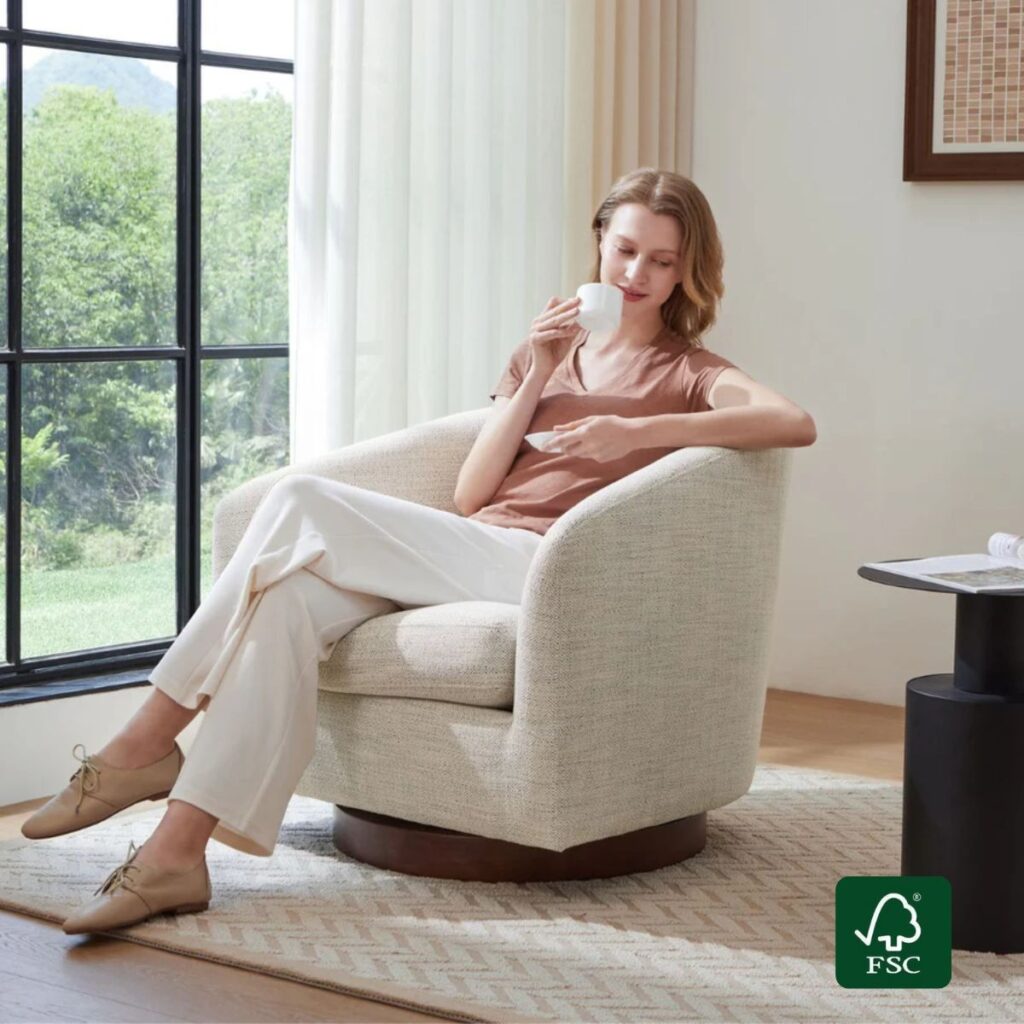
Barrel chairs built for outdoor use typically feature powder-coated aluminum or steel frames paired with UV-resistant resin or high-density polyethylene shells. This construction handles rain, sun exposure, and temperature swings without warping or cracking. Aluminum-framed models resist rust entirely, making them ideal for humid coastal climates, while steel frames offer superior weight and sturdiness in windy areas but may develop corrosion at joints if the coating chips. Molded resin barrel chairs perform well in extreme heat since they won’t absorb moisture or expand like wood. However, prolonged UV exposure can fade darker colors over several seasons without protective treatment. Overall, a well-made outdoor barrel chair delivers five to ten years of reliable use in most climates with minimal structural degradation.
Durability of Wicker Furniture
The durability gap between natural and synthetic wicker is substantial. Natural rattan or willow wicker deteriorates quickly outdoors—moisture causes swelling, mold growth, and fiber breakage within one or two seasons of unprotected exposure. Synthetic wicker made from polyethylene resin, on the other hand, resists fading, cracking, and moisture damage with impressive consistency. High-quality synthetic wicker wrapped over aluminum frames can last eight to fifteen years outdoors, even in regions with harsh winters or intense summer sun. The weave pattern matters too: tighter weaves shed water more effectively and resist sagging better than loose, open patterns. For homeowners in rainy or highly variable climates, synthetic wicker furniture represents the smarter long-term investment by a wide margin.
Maintenance Requirements
Barrel chairs demand very little upkeep. A monthly wipe-down with mild soap and water removes pollen, dust, and bird droppings. Resin shells can be sprayed with a UV protectant once per season to preserve color vibrancy. For metal frames, inspect joints annually and touch up any exposed spots with matching spray paint to prevent rust from taking hold. Wicker furniture requires slightly more attention. Synthetic wicker benefits from a gentle hose rinse every few weeks to clear debris trapped in the weave, followed by air drying. Avoid pressure washers, which can loosen strands over time. Natural wicker—if used outdoors at all—needs a protective sealant applied twice yearly and should be stored indoors during wet months. Both furniture types benefit from covers during extended periods of non-use, particularly over winter.
Cost Considerations for Homeowners
When shopping for affordable outdoor furniture, barrel chairs generally occupy a narrower price band since they’re individual seating pieces rather than full sets. A quality outdoor barrel chair typically costs less than assembling a multi-piece wicker conversation set, making it an accessible entry point for homeowners furnishing on a budget. Wicker furniture spans a broader range—a simple pair of wicker chairs costs modestly, while a complete patio dining set with table and six chairs represents a larger commitment. The key to maximizing value lies in calculating cost per year of expected use rather than sticker price alone. A synthetic wicker set that lasts twelve years often delivers better per-year value than a cheaper natural wicker alternative replaced every three years. To find deals, shop end-of-season sales in late August or September, check warehouse clubs for bundled patio dining sets, and consider open-box returns from major retailers where cosmetic imperfections reduce prices significantly without affecting function.
Practical Solutions: Step-by-Step Guide to Choosing Your Patio Furniture
Assessing Your Needs and Space
Before browsing any catalog or showroom, grab a tape measure and spend fifteen minutes with your patio. Measure the total square footage, then identify fixed elements—doors, railings, planters, grills—that limit usable floor space. Sketch a rough layout noting traffic paths people naturally follow when moving through the area. Next, consider how you actually use the space. Do you host dinner parties for six or eight guests regularly? A patio dining set should anchor your plan. Do you mostly read alone or share coffee with one other person? A pair of barrel chairs or a compact outdoor bistro set serves that purpose without cluttering the area. Think about sun exposure and wind patterns too, since a barrel chair’s enclosed back offers shelter that open wicker seating does not. Finally, define your aesthetic goal in one sentence—something like “relaxed coastal retreat” or “modern urban lounge”—because that single phrase will filter out dozens of options that don’t belong and sharpen every decision that follows.
Step-by-Step Selection Process
Start by setting a firm budget before you fall in love with anything specific. Write down your maximum spend, then allocate roughly sixty percent to primary seating and forty percent to accent pieces, cushions, and accessories. With that framework in place, move through these steps methodically. First, eliminate one category if your space clearly favors it—patios under fifty square feet almost always benefit from barrel chairs over bulky wicker sets. Second, identify your climate’s biggest threat (UV, rain, freeze-thaw cycles) and cross-reference it with the durability notes from earlier sections. If you live somewhere with relentless summer sun, prioritize UV-resistant resin barrel chairs or tightly woven synthetic wicker in lighter colors that resist fading. Third, visit at least one physical store to sit in both furniture types. Comfort is subjective, and online photos cannot replicate the feeling of a barrel chair’s curved lumbar support versus a wicker armchair’s wider, flatter seat. Fourth, compare warranty terms—reputable brands offering three-year or longer coverage on frames signal confidence in their construction. Fifth, check return policies before purchasing, especially for online orders where color and texture may differ from screen images. This structured approach prevents impulse buys and ensures every piece earns its place on your patio.
Combining Furniture for a Cohesive Look
You don’t have to commit exclusively to one style. Many of the most inviting patios blend barrel chairs with wicker furniture intentionally. The key is establishing a unifying thread—typically color or material finish—that ties disparate pieces together. For example, two barrel chairs in a dark charcoal frame pair beautifully with a wicker coffee table in a matching espresso tone, creating continuity without monotony. If you already own a wicker patio dining set, adding barrel chairs as a separate conversation nook nearby gives guests options and breaks up visual repetition across the space. Use an outdoor bistro set with a metal frame as a transitional element between the two styles, since metal reads as neutral and bridges organic wicker textures with the smooth shells of barrel seating. Coordinate cushion fabrics across all pieces using one shared accent color, and ground the entire arrangement with a single outdoor rug that touches both zones. Brands like Chitaliving offer wooden accent tables and side pieces that can serve as natural bridges between barrel and wicker styles, adding warmth through solid wood craftsmanship. This layered approach lets you shop affordable outdoor furniture sales opportunistically—picking up a barrel chair here, a wicker side table there—without worrying that new additions will clash with what you already have.
Making Your Final Patio Furniture Decision
Barrel chairs and wicker furniture each bring distinct strengths to your patio. Barrel chairs deliver a modern, compact silhouette with minimal maintenance demands and reliable weather resistance—ideal for smaller spaces or homeowners drawn to clean contemporary lines. Wicker furniture offers unmatched versatility in both style and scale, covering everything from intimate seating pairs to full patio dining sets, with synthetic versions providing impressive longevity across harsh climates. On affordability, barrel chairs offer a lower entry point per piece, while high-quality synthetic wicker often wins on cost-per-year value over its longer lifespan.
The right choice ultimately depends on your specific patio dimensions, how you use the space, your local weather conditions, and the aesthetic direction you want to pursue. Rather than agonizing over the decision abstractly, return to the practical steps outlined earlier: measure your space, set a firm budget, sit in both options physically, and don’t hesitate to mix styles using a shared color palette as your unifying thread. Your patio deserves furniture that invites you outside daily—not pieces chosen by default. Apply these criteria with confidence, shop strategically during seasonal sales, and you’ll build an outdoor space that looks intentional, feels comfortable, and serves you well for years to come.