
Juicing technology divides into two fundamentally different approaches, each delivering distinct results. While centrifugal models spin at high speeds to extract juice quickly, masticating juicers crush and press ingredients slowly, preserving enzymes and nutrients that heat and oxidation destroy. This methodical process yields more juice from the same amount of produce, creates smoother textures with less foam, and handles leafy greens and wheatgrass that defeat fast-spinning alternatives. Understanding these differences helps explain why many committed juice enthusiasts eventually transition to masticating designs despite their higher initial costs and slower operation. The question isn’t whether they work differently, but whether those differences matter for your specific juicing goals and routines.
The Science Behind Cold Press Extraction
Heat degrades vitamins and enzymes in fresh juice, particularly vitamin C and beneficial plant compounds that provide much of juicing’s health appeal. Centrifugal juicers generate significant heat through blade friction and introduce oxygen through rapid spinning, both accelerating nutrient breakdown. Masticating juicers operate at sixty to eighty rotations per minute rather than thousands, creating minimal heat and less oxidation. This gentle process produces juice that maintains nutritional integrity longer, typically staying fresh in the refrigerator for up to seventy-two hours compared to the immediate consumption recommended for centrifugal juice.

The crushing action extracts more liquid from fibrous materials by breaking down cell walls thoroughly rather than simply shredding them. This mechanical difference becomes most apparent with expensive ingredients like organic kale or wheatgrass, where higher yield directly translates to better value. Tests consistently show masticating juicers producing twenty to thirty percent more juice from identical quantities of produce, offsetting their higher purchase price over time through reduced ingredient waste.
Handling Difficult Ingredients Successfully
Leafy greens pose challenges for centrifugal juicers because their low water content and fibrous structure causes them to clog screens or simply get thrown against walls without releasing juice. Masticating designs excel with these ingredients, gripping and crushing even tough stems and ribs effectively. Herbs like parsley and cilantro, which often pass through fast juicers nearly intact, get properly processed and contribute their flavors and nutrients fully.
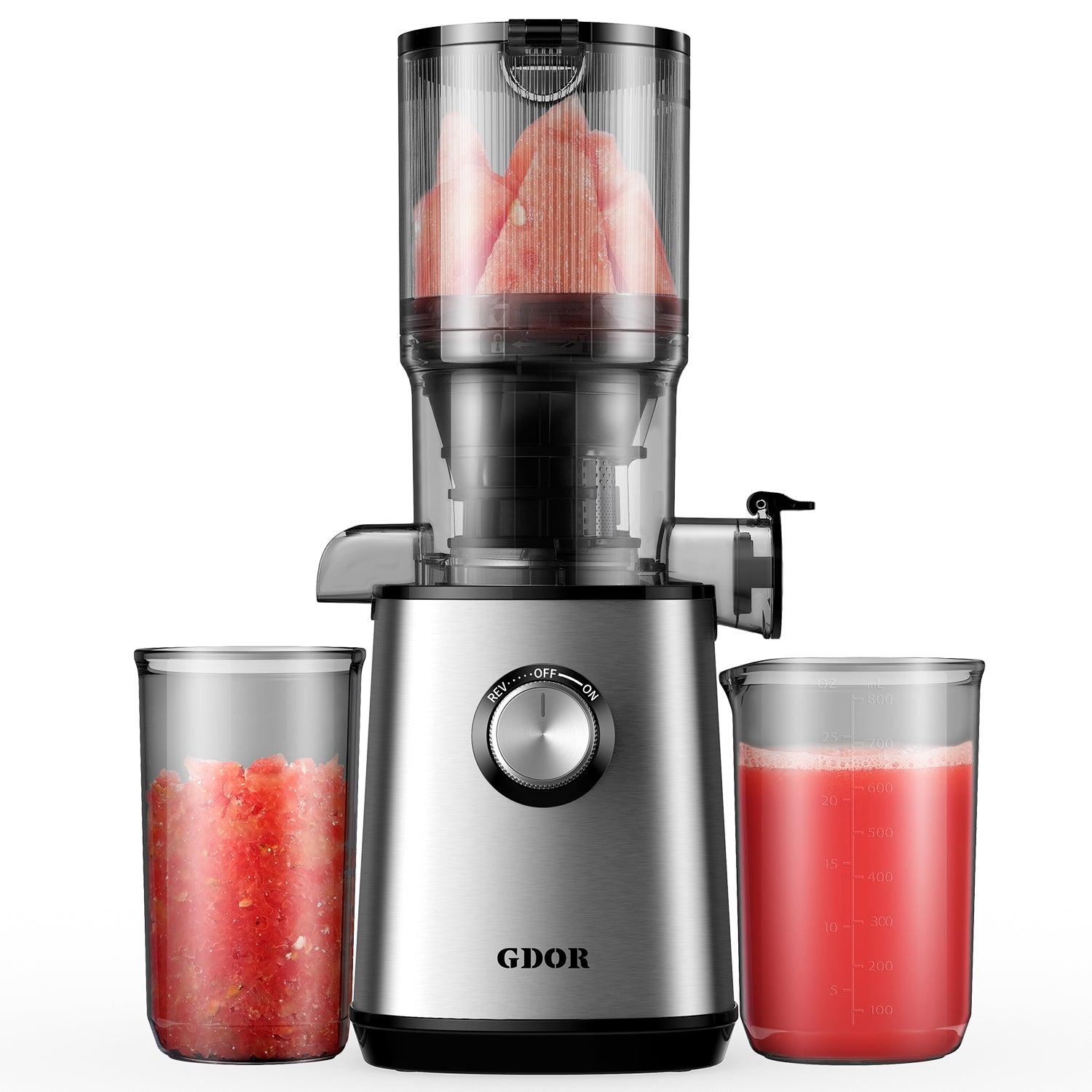
Soft fruits present opposite problems, turning to pulp in centrifugal machines that struggle to separate juice from solids efficiently. SHARDOR masticating models process berries and ripe stone fruits without creating the foamy, separated results typical of high-speed extraction. This versatility means one machine handles your entire produce selection rather than requiring different tools for different ingredient types.
Nut Milks and Beyond
Many masticating juicers double as nut milk makers, grinding soaked almonds, cashews, or oats into smooth, creamy beverages without the explosive mess of blender-based methods. This additional functionality adds value beyond basic juicing, especially for households avoiding dairy or managing dietary restrictions. The same low-speed grinding that preserves juice nutrients creates exceptionally smooth nut milks with minimal graininess.
Noise Levels and Kitchen Harmony
Centrifugal juicers produce noise levels comparable to garbage disposals or vacuum cleaners, making early morning juicing inconsiderate to sleeping household members. Masticating models operate quietly enough for conversation during use, a difference that significantly impacts when and how often you’ll actually juice. Lower noise comes from reduced motor speed and elimination of the high-pitched blade whine characteristic of spinning extraction.
This quieter operation matters more than many people anticipate when choosing juicers. Equipment that disrupts the household tends to get used less frequently regardless of its performance capabilities. If you envision juicing becoming a daily routine rather than occasional weekend activity, noise level deserves serious consideration alongside extraction efficiency.
Cleanup Requirements and Design Impact
More components don’t necessarily mean harder cleaning. Masticating juicers typically require disassembling and washing four to six parts, while centrifugal designs need similar attention to screens, baskets, and lids. The key difference lies in how easily pulp separates from surfaces. Dry pulp from slow juicing rinses off quickly, whereas wet, paste-like residue from high-speed extraction often requires scrubbing and soaking.
Wide feeding chutes reduce prep work by accepting larger produce pieces, but extremely wide openings sacrifice some extraction efficiency. Finding the balance between pre-cutting effort and optimal juicing performance depends on your priorities. Dishwasher-safe components simplify maintenance, though hand washing generally takes minimal time when done immediately after use.
Long-Term Durability and Value
Single-auger designs with fewer moving parts typically outlast multi-stage gear systems found in some horizontal masticating juicers. Motor quality matters more than horsepower ratings, continuous-duty motors handle extended juicing sessions without overheating while lesser motors require frequent rest periods. Warranty length often indicates manufacturer confidence in longevity, with better models backed by five to ten year coverage versus one or two years for economy options.
Replacement parts availability extends practical lifespan considerably. Augers and screens wear gradually over years of use, but if manufacturers discontinue parts support, an otherwise functional juicer becomes disposable. Checking parts availability and cost before purchase protects your investment and environmental impact.
Space and Storage Considerations
Vertical masticating juicers occupy minimal counter footprint, often smaller than centrifugal models despite their more complex mechanisms. Horizontal designs require more length but provide slightly better yield with certain ingredients. Unless counter space is severely limited, small dimensional differences rarely impact daily use as much as whether the juicer stays accessible or gets stored away between uses.
Appliances stored in cabinets get used less frequently regardless of their capabilities. If you’re committing to regular juicing, permanent counter placement deserves consideration even if it requires rearranging other items. The visual reminder and elimination of setup friction significantly increases actual usage rates.
Evaluating Your Juicing Commitment
Masticating juicers represent a meaningful investment that pays dividends for dedicated users while potentially disappointing casual juicers who prioritize speed over quality. Their superior nutrient retention, ingredient versatility, and quiet operation make them ideal for daily juicing routines and health-focused households. The slower extraction process requires patience but delivers measurably better results in yield, taste, and nutritional content. For anyone moving beyond occasional juicing into regular wellness practices, the masticating approach offers advantages that compound with consistent use, making it the logical choice despite higher upfront costs.