
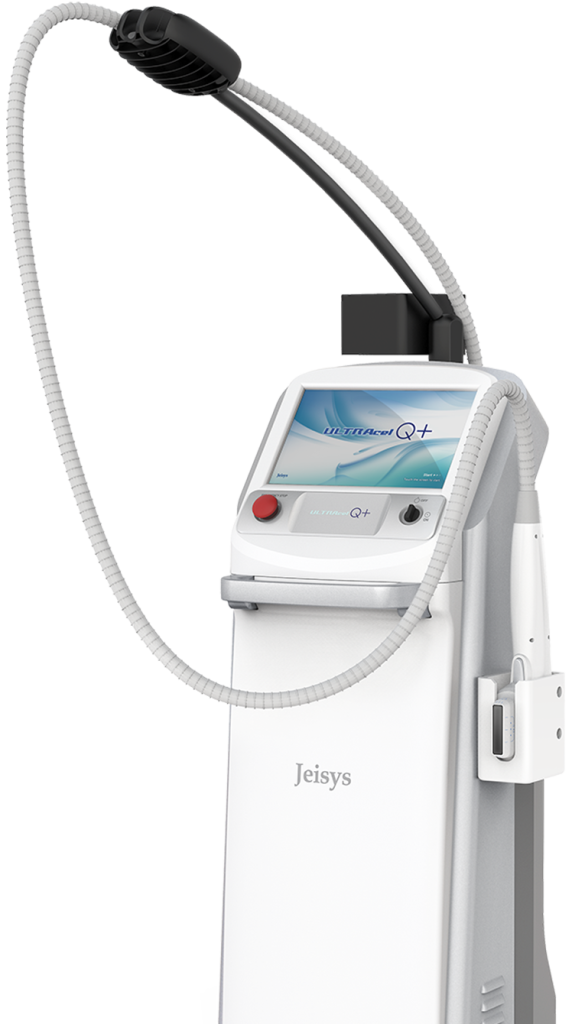
The aesthetics industry has undergone a significant transformation in recent years. Many clients who once considered surgery the only effective option for addressing loose skin, facial contours, fine lines, and other visible signs of ageing can now choose from a growing range of non-invasive and minimally invasive treatments. These procedures are designed to deliver noticeable improvements without large incisions, general anaesthesia, or extended recovery periods.
Much of this progress has been driven by the development of advanced energy-based technologies. Modern aesthetic systems can deliver ultrasound, radiofrequency, laser, light, or other forms of controlled energy to carefully selected layers of tissue. Instead of simply treating the surface of the skin, these technologies may work beneath it to stimulate collagen, improve firmness, refine texture, or support natural tissue-remodelling processes.
However, successful treatment outcomes depend on more than purchasing an advanced machine. Clinics must understand how the technology works, select suitable components, establish effective treatment protocols, train practitioners, and maintain the equipment properly. Clients also need realistic expectations and appropriate professional guidance before undergoing any procedure.
The Growing Demand for Non-Surgical Aesthetic Treatments
Modern clients frequently want aesthetic treatments that fit into busy schedules. Although surgical procedures may produce substantial changes, they can involve significant costs, recovery time, discomfort, and potential complications. Not every person is ready or medically suitable for surgery, particularly when their concerns are mild or moderate.
Non-surgical treatments can provide an alternative for people seeking gradual, natural-looking improvements. Depending on the technology and the individual’s condition, these treatments may help improve facial definition, support firmer-looking skin, reduce the appearance of fine lines, or address specific areas where early laxity has developed.
Convenience is another major factor driving demand. Many energy-based procedures can be completed within a relatively short appointment, and clients may be able to return to ordinary activities soon afterward. Some redness, tenderness, swelling, or sensitivity may occur, but recovery is often more manageable than that associated with an operation.
The popularity of these treatments is also influenced by changing beauty preferences. Many people do not want to look dramatically different after a procedure. Instead, they want subtle refinement that preserves their natural features. Gradual collagen stimulation and tissue remodelling can support this preference because results may develop over several weeks or months rather than appearing suddenly.
Understanding Energy-Based Aesthetic Technology
Energy-based aesthetic devices work by delivering controlled energy into targeted areas. The type of energy, treatment depth, intensity, and delivery method vary according to the system. Ultrasound devices, for example, use sound-wave energy, while radiofrequency systems produce controlled electrical energy that creates heat within tissue.
The purpose of this energy is not simply to warm the skin randomly. Professional systems are designed to create a carefully controlled biological response. When an appropriate amount of energy reaches the intended depth, the body may begin a natural repair and remodelling process. This response can encourage the formation of new collagen and support gradual improvements in tissue firmness.
Treatment precision is especially important. Energy delivered too superficially may fail to reach the targeted tissue, while energy placed too deeply or at an unsuitable intensity may increase discomfort or the risk of adverse effects. This is why device quality, cartridge selection, practitioner education, and treatment planning all matter.
A well-designed system gives practitioners the flexibility to adjust treatment parameters according to the area, tissue condition, and client’s goals. It should also allow for consistent energy delivery so that results do not vary unnecessarily from one treatment line or session to another.
The Role of Focused Ultrasound in Skin Treatments
Focused ultrasound is one of the technologies commonly used for non-surgical lifting, tightening, and contouring procedures. Unlike ordinary ultrasound imaging, an aesthetic-focused ultrasound system concentrates energy at specific depths beneath the skin.
The energy forms small thermal coagulation points in the targeted tissue while leaving much of the surrounding area unaffected. These controlled points can initiate a wound-healing response without creating an open wound on the skin’s surface. As the tissue remodels, collagen production may increase and existing collagen fibres may contract.
This process can contribute to firmer-looking skin and improved definition over time. Because the response develops gradually, clients may notice progressive changes rather than an instant transformation. Some people may observe early tightening, but fuller results often depend on the body’s natural collagen-remodelling cycle.
Focused ultrasound may be used on selected areas of the face, jawline, neck, and body, depending on the system and local treatment regulations. Different parts of the body have different tissue structures and thicknesses, so a single setting or treatment depth is not appropriate for every area.
Why Cartridges Are Essential to Ultrasound Treatments
In many focused ultrasound systems, cartridges play a central role in determining where and how energy is delivered. A cartridge is not merely an attachment added for convenience. It is an important treatment component designed to place ultrasound energy at a particular depth within the tissue.
Practitioners may use different cartridges to treat superficial, intermediate, or deeper layers. The appropriate option depends on the treatment area, tissue thickness, client anatomy, and intended result. For example, an area with relatively thin tissue usually requires a different approach from an area with greater depth or heavier tissue.
A genuine and compatible UltracelQ+ cartridge can help practitioners deliver treatment according to the specifications of the original system. Compatibility matters because the device and its consumables are designed to function together. Using an unsuitable, damaged, or unverified cartridge may affect energy consistency, treatment accuracy, client comfort, and overall equipment performance.
Cartridges may also have defined usage limits. A clinic should monitor the number of treatment shots delivered and replace consumables according to the manufacturer’s instructions. Continuing to use a cartridge beyond its approved capacity can compromise reliability, even if the exterior appears undamaged.
Choosing the Correct Treatment Depth
One of the most important decisions in an ultrasound procedure is selecting the correct treatment depth. Human facial and body anatomy is complex, and the distance between the skin surface, fat layer, connective tissue, muscles, nerves, and bone varies between individuals.
A practitioner should assess more than the client’s age or general treatment request. Tissue thickness, fat distribution, skin condition, facial structure, previous procedures, medical history, and sensitivity should all influence the treatment plan.
Multiple cartridges may sometimes be used during one appointment to address different layers. A deeper cartridge may support structural tightening in one area, while a more superficial option may be selected for shallower tissue. This layered approach must be planned carefully rather than applied automatically to every client.
Incorrect depth selection can result in poor energy placement. If the energy does not reach the intended layer, the client may receive limited benefit. If unsuitable settings are used near delicate structures, the risk of discomfort or unwanted effects may increase. Thorough anatomical knowledge is therefore essential.
The Importance of Genuine and Compatible Consumables
Clinics often consider operating costs when purchasing replacement cartridges and other consumables. While cost management is necessary, selecting products based only on the lowest price can create serious problems.
Unverified or counterfeit consumables may look similar to original products but perform very differently. Potential issues include inconsistent energy output, unreliable shot counts, connection errors, poor construction, premature failure, and inaccurate treatment depths. These problems can disrupt appointments and damage client confidence.
A replacement component should come from a reliable supplier that can confirm compatibility, authenticity, storage conditions, and product traceability. Clinics should also inspect packaging, serial information, expiry details where applicable, and any signs of tampering.
Accurate records can further improve safety. Recording when a cartridge was received, opened, used, and replaced allows the clinic to monitor consumption and investigate any unexpected performance issues. This documentation can also support maintenance procedures and internal quality control.
Why Korean Aesthetic Technology Has Gained Global Attention
South Korea has become highly influential in the beauty, skincare, and medical aesthetics sectors. The country’s aesthetic market is known for rapid innovation, strong consumer interest, and an emphasis on treatments that produce refined and natural-looking outcomes.
A reputable Korean aesthetic device may incorporate sophisticated energy-delivery technology, ergonomic applicators, adjustable treatment parameters, and user-friendly software. Korean manufacturers have developed systems using focused ultrasound, radiofrequency, lasers, light-based energy, skin analysis, body contouring, and other technologies.
However, a product’s country of origin does not automatically guarantee quality. Clinics must still review the manufacturer’s reputation, regulatory documentation, technical support, warranty terms, practitioner education, and availability of approved replacement components.
The best equipment decision is based on evidence and suitability rather than trends. A device should meet the clinic’s actual treatment needs, serve its target clients, and be supported by a clear operational plan.
Factors Clinics Should Consider Before Buying Equipment
An advanced aesthetic platform can represent a substantial investment. The purchase price is only one part of the total cost. Clinics should also account for consumables, staff training, maintenance, servicing, warranties, software updates, marketing, insurance, and possible downtime.
Before investing, clinic owners should evaluate the type of treatments they want to offer and whether there is sustainable demand among their clients. Purchasing an expensive machine without a clear treatment strategy can make it difficult to recover the investment.
Clinical evidence should also be reviewed. Manufacturers may present impressive marketing claims, but clinics should look for credible information explaining how the system works, what indications it supports, and what outcomes can reasonably be expected. Before-and-after photographs can be useful, but they should be viewed alongside proper research and technical documentation.
Local regulatory requirements must not be overlooked. A system approved in one country may not automatically be authorised for use in another. Clinics should confirm whether the equipment meets relevant electrical, medical-device, importation, and professional-use requirements in their jurisdiction.
Practitioner Training and Anatomical Knowledge
Advanced technology cannot compensate for inadequate practitioner training. Even a high-quality system can produce disappointing or unsafe outcomes if it is operated incorrectly.
Training should cover more than switching on the machine and choosing a preset. Practitioners need to understand the scientific principles behind the technology, relevant anatomy, consultation procedures, contraindications, parameter selection, cartridge handling, infection control, client positioning, aftercare, and emergency response.
Facial anatomy is particularly important because nerves, blood vessels, glands, muscles, and bony structures can be located close to treatment zones. The practitioner must know which areas require caution or should be avoided entirely.
Ongoing education is equally valuable. Treatment techniques and clinical guidance may evolve as manufacturers release updates or new evidence becomes available. Refresher training can help practitioners maintain consistency and correct habits that may develop over time.
Consultation and Client Selection
A detailed consultation is the foundation of responsible aesthetic care. It allows the practitioner to understand the client’s concerns, assess suitability, explain the procedure, and establish realistic expectations.
The consultation should include questions about medical conditions, medications, pregnancy, implanted devices, previous surgery, injectables, skin treatments, healing difficulties, and other relevant factors. The client’s skin and underlying tissue should also be examined in person where possible.
Not everyone is an ideal candidate for a non-surgical energy-based procedure. A person with severe tissue laxity may require a different treatment approach if they expect a dramatic lift. Likewise, someone seeking immediate and permanent results may be dissatisfied with a treatment that relies on gradual collagen remodelling.
Ethical practitioners should be willing to advise against treatment when expected benefits are limited or when contraindications are present. Turning away an unsuitable client protects both the individual and the clinic’s reputation.
Setting Realistic Expectations
Marketing language surrounding aesthetic devices can sometimes create unrealistic expectations. Terms such as “non-surgical facelift” may sound appealing, but clients should understand that a non-invasive treatment cannot always replicate the results of surgery.
The degree of improvement varies between people. Age, collagen levels, lifestyle, tissue quality, sun exposure, smoking, health, genetics, and treatment adherence can all influence the result. Some clients may respond strongly, while others experience more modest changes.
Clients should also be informed that results may take time. Collagen formation and tissue remodelling are biological processes that do not happen overnight. Improvements may continue developing for several months after the procedure.
Clear communication reduces the risk of dissatisfaction. Rather than promising perfection, practitioners should explain the likely range of outcomes, potential discomfort, possible side effects, expected recovery, and whether maintenance sessions may be required.
Comfort and the Client Experience
Although non-surgical procedures generally require less recovery than surgery, they are not always completely painless. Focused energy delivered beneath the skin may produce warmth, tingling, pressure, prickling, or brief sharp sensations.
Comfort levels differ depending on the treatment area, energy settings, cartridge depth, practitioner technique, and the client’s sensitivity. Clinics should explain these sensations before beginning so that clients are not surprised during the appointment.
A calm environment, careful positioning, clear communication, and appropriate comfort measures can make a substantial difference. Practitioners should monitor the client throughout the procedure and adjust the approach when necessary without compromising safety.
The overall experience extends beyond the treatment itself. Professional booking, respectful consultation, hygienic surroundings, transparent pricing, and thoughtful follow-up all contribute to client trust.
Device Maintenance and Quality Assurance
Preventive maintenance helps protect both the equipment and the people being treated. Clinics should follow the manufacturer’s instructions for cleaning, inspection, calibration, servicing, and component replacement.
Handpieces and cartridges should be checked for visible damage before use. Cables, connectors, screens, cooling systems, and applicators should also be inspected regularly. Any unusual noise, inconsistent output, software warning, or connection problem should be investigated before the machine is used again.
Cleaning procedures must be suitable for the device materials. Harsh products or excessive liquid may damage sensitive components. At the same time, inadequate cleaning can create hygiene risks, particularly for parts that come into contact with the client’s skin.
Service records should document inspections, faults, repairs, software changes, and component replacements. A structured maintenance programme helps clinics identify recurring problems and arrange servicing before equipment failure disrupts treatment schedules.
Building a Responsible Aesthetic Practice
Technology may attract attention, but long-term success depends on trust. Clinics that prioritise honest communication, professional standards, safe protocols, and consistent aftercare are more likely to develop strong client relationships.
Treatment plans should be personalised instead of being driven solely by sales targets. Some clients may benefit from one procedure, while others may require a combination of treatments or no treatment at all. Recommendations should be based on individual needs rather than pressure to sell the most expensive option.
Photographic documentation can support treatment planning and progress assessment when it is collected with proper consent. Images should be taken under consistent lighting, positioning, camera settings, and facial expressions to make comparisons fair.
Clinics should also establish a clear process for managing concerns or adverse reactions. Clients need to know whom to contact after treatment and what symptoms require prompt professional attention.
The Future of Non-Surgical Aesthetic Treatments
The future of the aesthetics industry is likely to involve even greater precision, personalisation, and integration. Newer systems may combine multiple technologies, use improved imaging, offer more accurate energy control, or incorporate software that assists practitioners with treatment planning.
Artificial intelligence and advanced skin-analysis tools may eventually help assess tissue characteristics, track progress, and suggest suitable parameters. Nevertheless, technology should support professional judgment rather than replace it. Human assessment, ethical decision-making, and clinical experience will remain essential.
Clients are also becoming better informed. They increasingly ask about device brands, consumables, practitioner qualifications, treatment depth, safety, and evidence. This greater awareness encourages clinics to be more transparent about the equipment and methods they use.
Manufacturers that provide comprehensive training, reliable consumables, responsive technical support, and clear clinical guidance are likely to remain competitive. Clinics need systems that not only produce good results but also perform consistently over time.
Conclusion
Advanced aesthetic technology has created valuable opportunities for clients who want gradual, non-surgical improvements with manageable recovery. Focused ultrasound and other energy-based treatments can support firmer-looking skin, improved contours, and collagen remodelling when they are used appropriately.
However, the machine alone does not determine the quality of treatment. Genuine and compatible cartridges, correct depth selection, practitioner knowledge, careful consultations, realistic expectations, ongoing maintenance, and dependable technical support all contribute to safe and consistent outcomes.
Clinics considering an aesthetic system should look beyond promotional claims and examine the complete treatment ecosystem. When quality equipment is combined with professional training and responsible client care, non-surgical aesthetic treatments can become a reliable and valuable part of a modern beauty or cosmetic practice.