
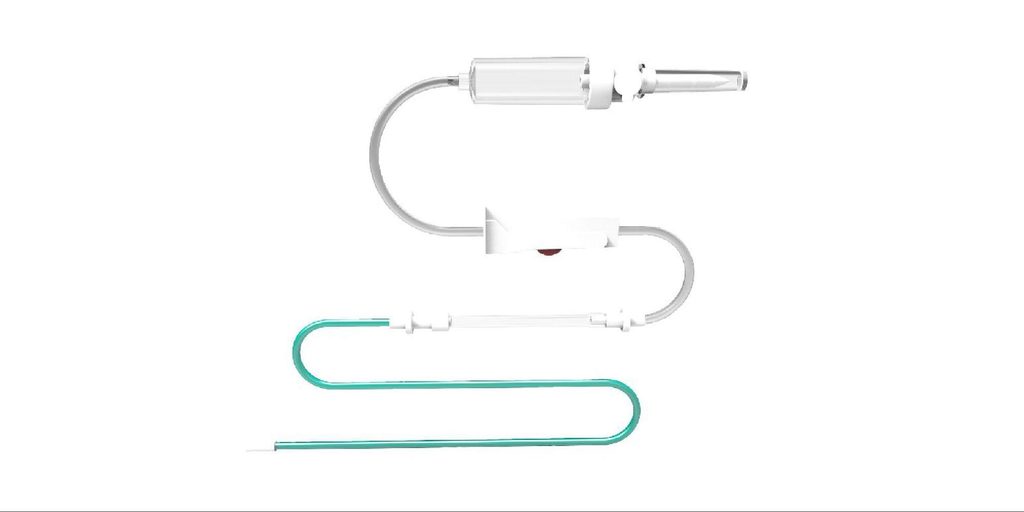
Irrigation is one of those quiet elements of dental surgery that only gets attention when something goes wrong. A cracked line during an implant osteotomy, a kinked tube that starves the drill of coolant, or a mismatched connector that leaks under pressure can turn a routine procedure into a scramble. The tube itself rarely appears in operative notes, yet it directly controls whether the surgical site stays below the temperature threshold that keeps bone cells alive.
This guide walks through the decisions that determine whether an irrigation setup is reliable enough to trust during a long implant day or a complex bone graft. It is aimed at practice managers who handle purchasing, chairside assistants who set up cases, and clinicians who have felt the frustration of stopping mid-procedure to fix a fluid path. Expect concrete guidance on materials, sterilization tolerance, connector compatibility, and how to build a stock system that avoids the kind of shortage that forces last-minute substitutions.
Understand What the Tube Is Actually Doing
The role sounds simple: carry sterile saline from a bag to the surgical site through a peristaltic pump. In practice, the tube manages pressure fluctuations, thermal exchange, and the microbial barrier that separates the fluid path from ambient contamination. When a clinician chooses an irrigation tube without accounting for pump compatibility or handpiece connector geometry, the result is a system that works most of the time and fails at the worst possible moment. Understanding the mechanical demands is the starting point for every purchasing decision that follows.
Flow rate matters more than clinicians often realize. A dental implant osteotomy at high torque generates enough heat to trigger bone necrosis within seconds of interrupted cooling. The tube’s inner diameter, wall thickness, and material stiffness all shape whether the peristaltic pump can deliver a stable flow under load. A tube that collapses slightly with each pump rotation produces pulsatile output that reads correctly on the display but under-delivers at the surgical site.
Material Choices and Their Trade-offs
Most disposable tubes use medical-grade PVC, silicone, or thermoplastic elastomers. PVC is inexpensive and holds its shape well in pump rollers, but it can stiffen after prolonged storage. Silicone stays flexible across temperature ranges and resists kinking around tight equipment corners, which matters when the pump is mounted on a mobile cart. Thermoplastic elastomers sit between the two and often show the best fatigue resistance for practices running back-to-back cases. The choice should match the pump manufacturer’s specifications rather than a general preference.
Matching Tubes to Your Equipment
The most common purchasing error is buying generic tubing that fits the pump but not the handpiece. Modern implant motors and piezo units use specific spike, luer lock, and quick-connect formats that vary between generations. A tube kit that lists the correct pump segment size but arrives with a mismatched distal connector will sit unused until it can be adapted, and improvised adapters introduce leak points that compromise the sterile chain. Confirming both ends of the fluid path against the specific handpiece model is a five-minute check that prevents recurring supply headaches.
Single-Use Versus Reusable Considerations
Most current guidelines favor single-use sterile tubing for surgical procedures. The rationale is straightforward: reprocessing narrow-lumen medical tubing rarely achieves reliable sterilization, and the labor cost of validation often exceeds the savings on consumables. Single-use kits arrive pre-sterilized, packaged with the spike and connector already attached, and can be verified visually before opening. For clinics that still use reusable systems for non-surgical irrigation, the reprocessing protocol needs documented flow validation, not just autoclave time.
Compatibility With Common Motor Systems
Manufacturers such as Plovio publish tubing specifications alongside their motor and piezo unit documentation, which makes cross-referencing straightforward. When evaluating a new tube supplier, request the compatibility list before ordering a case quantity. A trial pack of ten to twenty tubes run through a full week of surgical cases will reveal fitment issues, flow consistency, and any packaging problems that batch quality control missed. Rolling out untested tubing across an entire clinic is how practices end up with a storeroom of unusable inventory.
Storage, Handling, and Shelf Life
Sterile tubing has a shelf life that depends on packaging integrity, not just the printed expiration date. A stack of tubes stored under heavier supplies can develop micro-perforations in the packaging that are invisible until the tube fails during use. First-in, first-out rotation keeps the oldest stock at the front of the shelf, and monthly inventory checks catch damaged packaging before it reaches a surgical tray. Storing tubes near heat sources or in direct sunlight accelerates polymer degradation even inside sealed packaging, so the storage location deserves a moment of attention when the clinic layout changes.
Chairside handling contributes to failures more often than material defects. A tube pinched under a heavy handpiece cable during setup can develop a stress point that only fails ten minutes into the procedure. Assistants who route tubing along a consistent path, secured with clip holders on the surgical drape, eliminate most of these issues. Small habits add up over hundreds of cases and are the difference between a system that feels reliable and one that generates recurring complaints.
Building a Stocking Strategy That Holds Up
Practices running regular implant surgery typically need two to three unopened tubes per scheduled case: one for the procedure, one on the tray as a backup, and one held in reserve for the next day. Ordering in quantities that match six to eight weeks of use balances shelf life against per-unit cost. Setting a par level in the inventory system with automatic reorder alerts prevents the last-minute rush that pushes staff toward whatever supplier can ship overnight. Documented reorder points also make it easier for a new office manager to maintain continuity when staff changes.
Vendor consolidation reduces variability. A single trusted supplier for tubing, saline, and drapes simplifies compatibility verification and streamlines returns when a batch has a defect. Splitting the same category across three vendors saves money on paper but creates confusion about which tube fits which motor and which lot is under recall. The goal is a supply chain that a first-week hire can navigate without asking questions.
Turning a Small Component Into a Reliable System
Irrigation tubing rarely gets its own line item in a surgical checklist, yet the entire outcome of an implant or bone graft depends on it functioning without interruption. The clinics that never seem to have irrigation problems are not luckier; they have decided which tube fits their equipment, standardized on it, and built inventory practices that keep the shelf stocked without last-minute substitutions. Every step described here takes minutes to implement and pays back over years of procedures.
Treat the tube as part of the fluid path rather than as a disposable accessory, and the recurring frustrations tend to disappear. Match the material to the pump, confirm connector compatibility with each new handpiece purchase, rotate stock deliberately, and consolidate suppliers where practical. Small, unglamorous decisions like these are what separate a surgical practice that runs smoothly from one that fights the same equipment problem every month.