
Weekend after weekend spent skimming leaves, scrubbing walls, and wrestling with vacuum hoses—manual pool maintenance devours the very leisure time your backyard oasis was meant to provide. Automatic pool cleaners offer a compelling escape from this cycle, handling the tedious work while you reclaim your free hours. Yet for the informed buyer, choosing the right unit isn’t straightforward. The market is flooded with competing technologies, from advanced filtration systems to app-controlled navigation, making it difficult to distinguish genuine innovation from marketing noise. Beyond raw performance, there’s a question many overlook until it’s too late: what happens when something goes wrong? A cleaner’s long-term reliability hinges not just on build quality but on the warranty and customer support standing behind it. This guide cuts through the complexity by examining the core technologies that drive effective debris management and filtration, then pairs that knowledge with a thorough look at product warranty and support structures. You’ll walk away with a clear, logical framework for selecting an automatic pool cleaner that delivers both exceptional cleaning results and the peace of mind that comes from dependable manufacturer backing.
Understanding Automatic Pool Cleaner Core Technologies
The automatic pool cleaner market divides into three fundamental categories, each with distinct approaches to debris management. Suction-side cleaners connect to your pool’s existing skimmer or a dedicated suction line, using the filtration pump’s power to move across surfaces and pull debris into the pool’s filter basket or an inline leaf canister. They’re mechanically simple and handle fine sediment reasonably well, but they struggle with large leaf loads and place additional strain on your pump and filter system. Pressure-side cleaners take the opposite approach, connecting to a return line or a dedicated booster pump to propel themselves around the pool while sweeping debris into an onboard collection bag. This makes them excellent for capturing larger debris like leaves, twigs, and acorns without burdening your main filter, though they tend to be less effective against fine silt and algae dust that settles on the floor.
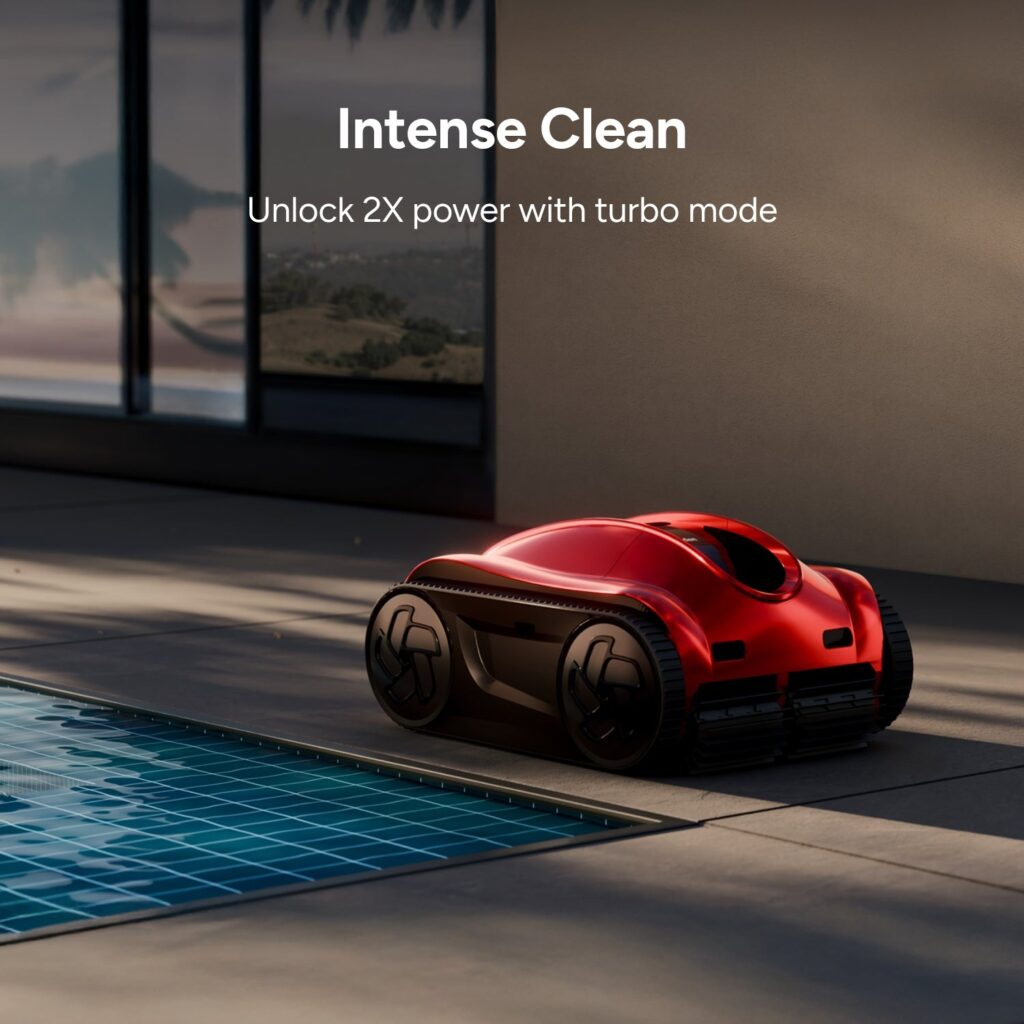
Robotic cleaners represent the most technologically advanced category, operating independently from your pool’s plumbing with their own onboard motors, filtration, and intelligence. Models like those from iGarden exemplify this category’s strengths—self-contained units with dual scrubbing brushes, onboard filter canisters capable of trapping particles down to two microns, and energy-efficient DC motors that bypass your pool pump entirely. The automation gap between these types is significant. While suction and pressure cleaners simply move when your pump runs, robotic units offer programmable cleaning cycles, app-based scheduling, and real-time status monitoring from your phone. Navigation also varies dramatically: entry-level robots follow random bounce patterns that eventually cover most surfaces given enough time, while advanced models use gyroscope-guided or mapping algorithms to systematically clean every square inch of floor, walls, and waterline in a single efficient cycle. This smart navigation reduces cleaning time substantially and ensures no corner gets repeatedly missed.
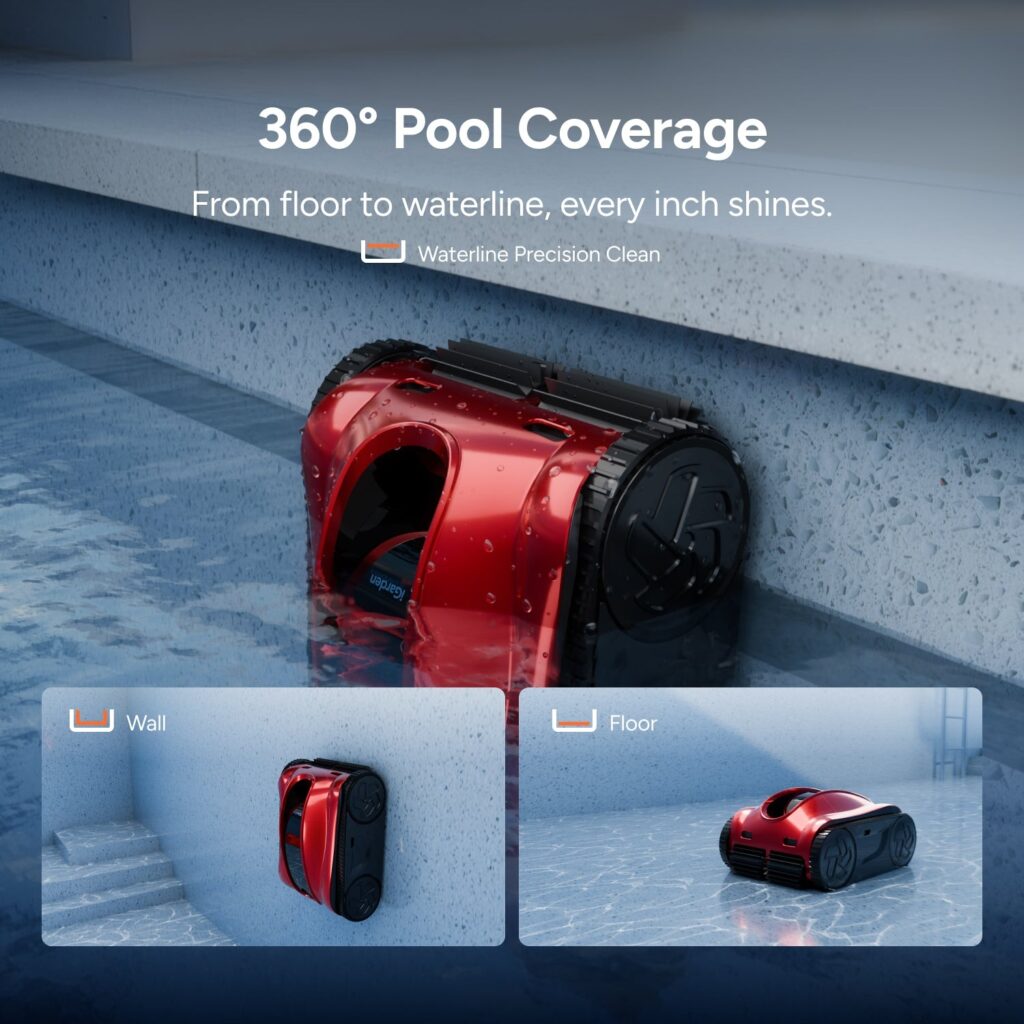
Evaluating Advanced Filtration for a Pristine Pool
Advanced filtration in automatic pool cleaners refers to multi-stage systems that capture progressively finer particles—from visible leaves and sand grains down to microscopic algae spores, pollen, and bacteria-harboring sediment as small as two microns. This capability matters far beyond aesthetics. When your cleaner traps ultra-fine particles before they circulate back into the water, your sanitizing chemicals work more efficiently because they’re not fighting suspended particulate matter. Your main pool filter experiences less loading, extending the intervals between backwashes or cartridge replacements, and your pump operates under less strain. The cumulative effect is lower chemical costs, reduced equipment wear, and water that genuinely sparkles rather than carrying an invisible haze.
Filtration performance varies sharply across cleaner types. Suction-side models rely entirely on your pool’s existing filter, meaning their effective filtration is only as good as your installed equipment—a sand filter might catch particles down to twenty microns, while a DE filter reaches around five. Pressure-side cleaners use onboard mesh bags that handle leaves and medium debris but allow fine silt to pass through. Robotic cleaners offer the most control, with dedicated filter canisters or cartridges engineered specifically for fine-particle capture. To maintain peak performance, rinse filter cartridges with a garden hose after every cleaning cycle, and deep-clean them weekly with a mild solution to dissolve oils and mineral buildup. Replace cartridges on the manufacturer’s recommended schedule rather than waiting for visible degradation—by the time flow noticeably decreases, filtration efficiency has already declined significantly. A well-maintained filtration system doesn’t just keep your pool pristine; it directly extends the cleaner’s motor life by preventing internal clogs and overheating, reinforcing the unit’s overall value over years of service.
The Critical Role of Warranty and Reliable Customer Support
A pool cleaner packed with cutting-edge sensors and powerful motors means little if the manufacturer disappears when a component fails eighteen months into ownership. Warranty and customer support deserve equal weight alongside hardware specifications in your purchase decision—arguably more so for tech-integrated devices where firmware issues, sensor calibration drift, or electronic board failures can’t be fixed with a wrench and a YouTube video. These aren’t simple mechanical tools; they’re sophisticated machines operating in one of the harshest environments for electronics: submerged in chemically treated water, exposed to UV radiation, and cycling through temperature extremes. The probability of needing support at some point during ownership isn’t a pessimistic assumption—it’s a statistical reality.
When comparing warranty terms, look beyond the headline duration. A three-year warranty that excludes wear items like brushes, filter cartridges, and drive tracks offers fundamentally different protection than a two-year warranty covering all components including labor. Read the exclusions carefully: some manufacturers void coverage if you use the cleaner in saltwater pools without specific documentation, or if the unit wasn’t purchased from an authorized retailer. Coverage for the motor and control board—the most expensive components to replace—should extend through the full warranty period without prorated depreciation. Understand whether the manufacturer offers advance replacement, where they ship a working unit before you return the defective one, or whether you’ll face weeks without a cleaner while yours travels to a service center. The warranty claim process itself reveals a brand’s commitment: companies that require extensive documentation, multiple phone calls, and long hold times are signaling how they’ll treat you when it matters most. Position warranty strength as a primary filter in your decision—not an afterthought you check once the excitement of features fades.
How to Vet and Access Manufacturer Support
Before purchasing, take concrete steps to evaluate support quality. Search brand-specific forums and review sites for post-sale experiences—filter for comments about warranty claims rather than initial impressions. Visit the manufacturer’s website and assess their support infrastructure: do they offer a searchable knowledge base, video troubleshooting guides, downloadable manuals, and firmware update portals? Send a pre-sales question through their contact form or chat and note the response time and depth of the answer. Finally, map the warranty claim process from start to finish—identify whether claims begin online, require a phone call, or need retailer involvement, and confirm you have all required purchase documentation stored accessibly before you ever need it.
Your Step-by-Step Selection Guide and Solution
With a solid understanding of cleaner technologies, filtration capabilities, and warranty considerations, you need a structured approach to synthesize this knowledge into a confident purchase decision. The following framework transforms overwhelming options into a manageable, logical process that accounts for both immediate performance needs and long-term ownership realities.
Start with a thorough audit of your pool environment. Measure your pool’s surface area and note its shape—kidney-shaped pools with tight curves demand cleaners with compact turning radii, while large rectangular pools benefit from systematic navigation patterns that cover open expanses efficiently. Identify your surface material: textured plaster grips rubber wheels differently than smooth fiberglass or vinyl, affecting traction and cleaning effectiveness. Most importantly, catalog your primary debris challenges. A pool surrounded by mature oaks faces a leaf-heavy load requiring strong suction and large-capacity collection, while a pool in an open area might battle primarily with fine dust, pollen, and algae sediment that demands superior filtration rather than raw intake volume.
Next, define your technology priorities honestly. If you want hands-off operation with phone notifications when cleaning completes, app-controlled robotic models are your category. Smart home brands like iGarden have pushed the integration envelope, offering seamless connectivity that fits into broader home automation ecosystems. If scheduling flexibility matters—perhaps running the cleaner overnight before weekend gatherings—confirm that candidates offer programmable cycles with sufficient granularity. Decide how much filtration precision you actually need: pools with heavy bather loads or adjacent landscaping benefit enormously from two-micron capture capability, while a covered pool used occasionally might function perfectly well with standard filtration.
Establish a realistic budget that extends beyond the purchase price. Factor in annual filter cartridge replacements, potential brush wear parts, and electricity consumption for robotic models. A cleaner that costs less upfront but requires frequent consumable replacements or drives up your energy bill may prove more expensive over a five-year ownership window than a premium unit with longer-lasting components and efficient motors. Calculate total cost of ownership across at least three years to compare models fairly.
Build a shortlist of three to five models that satisfy your pool audit and technology requirements within your budget range. Then apply the warranty and support filter as your decisive differentiator. Compare warranty durations side by side, but dig into coverage specifics—which components are fully covered, what’s excluded, and whether the manufacturer offers hassle-free replacement processes. Research each shortlisted brand’s support reputation through owner forums and review platforms, focusing specifically on post-sale experiences rather than unboxing enthusiasm. The model that balances strong cleaning performance with the most comprehensive, accessible warranty protection represents your optimal choice—a machine you can trust to perform reliably and a company you can trust to stand behind it when circumstances demand.
Practical Solution: Maintaining Your Investment Post-Purchase
Once your cleaner arrives, complete product registration within the first week—many manufacturers require registration to activate full warranty coverage, and delayed registration can complicate future claims. Download the user manual and any companion apps, then spend twenty minutes familiarizing yourself with troubleshooting flowcharts and maintenance schedules. Establish a simple weekly routine: rinse filter cartridges after each cycle, inspect brushes and drive tracks for wear monthly, and store the unit out of direct sunlight when not in use. Save your purchase receipt, registration confirmation, and the manufacturer’s support contact details in a single accessible location—a dedicated folder on your phone works perfectly. When an issue arises, you’ll have everything needed to initiate a claim immediately rather than scrambling for documentation while your pool grows cloudy.
Balancing Performance, Filtration, and Warranty for Confident Pool Cleaner Ownership
Selecting an automatic pool cleaner that truly serves you requires balancing three interconnected pillars. First, match the cleaner’s core technology to your pool’s specific demands—its shape, surface material, and the debris challenges unique to your environment. A mismatched cleaner works harder, cleans less effectively, and wears out faster regardless of its price tag or feature list. Second, prioritize advanced filtration as a non-negotiable performance criterion. The ability to capture ultra-fine particles down to the micron level transforms not just water clarity but your entire maintenance ecosystem, reducing chemical consumption, protecting equipment, and creating genuinely healthier swimming conditions. Third, and perhaps most decisively, never treat warranty and customer support as secondary considerations. These protections represent the manufacturer’s tangible commitment to standing behind their product through years of harsh, submerged operation—and they separate confident ownership from anxious uncertainty.
The best automatic pool cleaner isn’t simply the one with the most impressive spec sheet or the flashiest app interface. It’s the unit where innovative cleaning performance meets a dependable long-term partnership with a manufacturer who remains responsive and accountable well beyond the point of sale. Use this guide as your decision framework, apply each step methodically, and you’ll invest in a cleaner that delivers both a consistently pristine pool and the lasting peace of mind that your purchase is genuinely protected.