
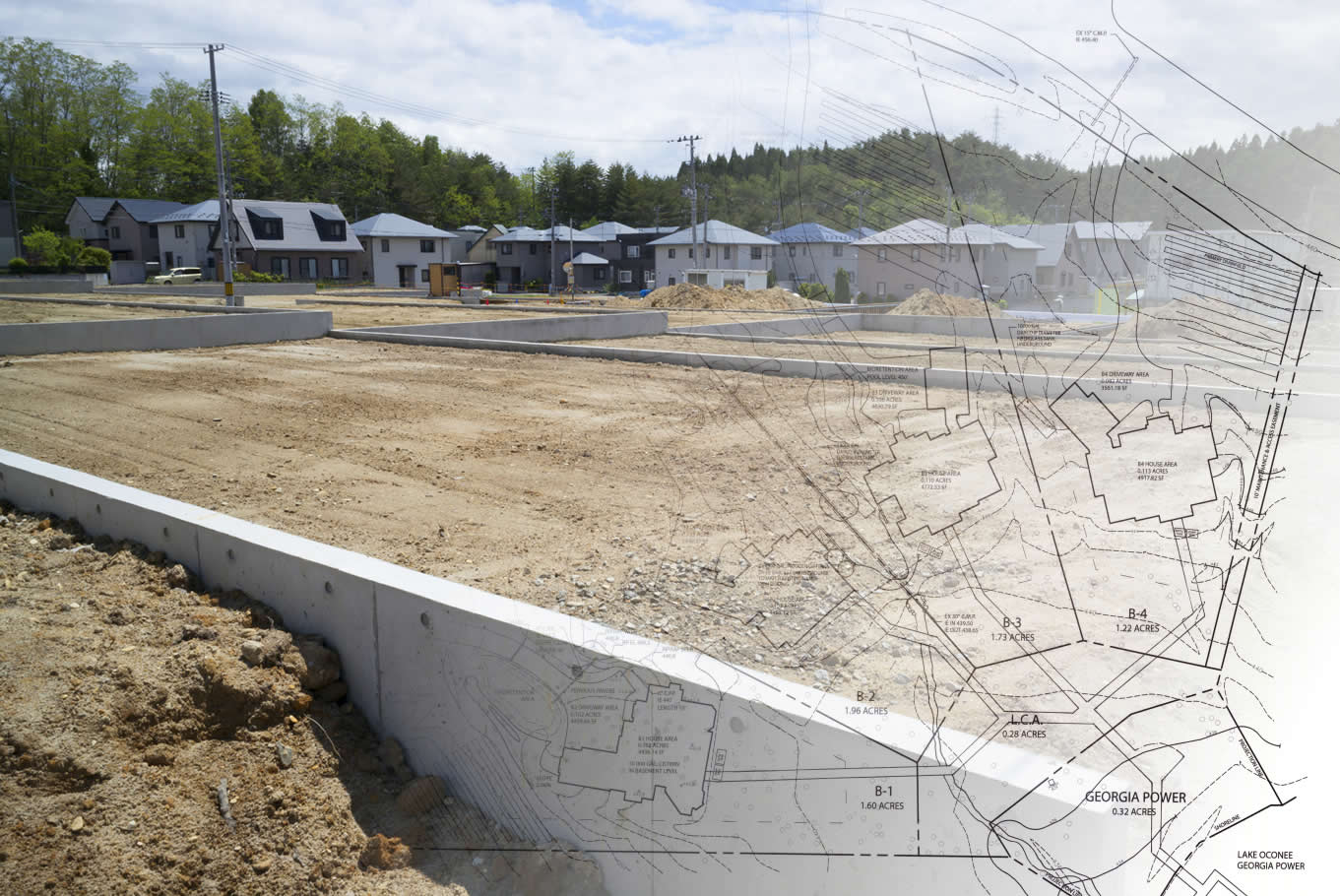
Preparing an accurate grading surface is a critical step in any commercial construction project. Whether you are a contractor looking to bid on a job or a material supplier estimating quantities, understanding how to shape and level the ground correctly can save time, reduce cost, and prevent costly problems later. A well-executed grading surface supports stable foundations, smooth drainage, and safe construction activity.
A grading plan is the blueprint that guides how the land should be shaped and adjusted. It shows elevations, slopes, and contours to ensure the surface meets design requirements. Following this document carefully helps construction teams set up a solid base for roads, buildings, parking, and utilities.
In this article, we explain how to prepare an accurate grading surface step by step and why it matters for commercial sites.
Why Grading Matters
Before getting into the process, it is important to know why a site must be graded accurately. A poorly graded surface can lead to water collecting near building foundations, unstable soil conditions, or insufficient drainage. These issues can delay construction, increase costs, and lead to expensive repairs.
Contractors and material suppliers benefit from accurate grading because it reduces change orders and material waste. When the ground is prepared correctly from the start, earthwork quantities are predictable and reliable. This makes planning, equipment use, and scheduling much easier.
Step 1: Understand the Site and Plans
The first step in preparing an accurate grading surface is to study the site and the provided design documents. A site grading plan is a key document that shows existing ground levels and final target elevations. It includes contour lines, spot elevations, and slope directions.
Contractors must review this plan to identify areas that require cutting (removal of soil) and filling (adding soil). Material suppliers can also use this information to estimate how much fill material will be needed or how much must be removed from the jobsite.
Step 2: Perform a Site Survey
Before any grading work begins, it is critical to perform a detailed site survey. A survey identifies existing topography, soil conditions, and potential obstacles like old foundations, tree roots, or underground utilities. Survey data ensures that earthmoving machines operate with accurate ground references.
Surveyors will often place markers and flags that correspond to the grading plan. These markers guide the grading crew so they know exactly where the ground should be cut or filled.
Step 3: Clear and Prepare the Site
Once the survey is complete, the site must be cleared. This includes removing vegetation, debris, and any structures that are not part of the final design. Clearing ensures that the grading equipment can work without obstruction.
Special attention should be given to trees that may remain. Their root systems can affect soil stability, so contractors often plan to protect them or remove them if necessary.
Step 4: Set Control Points and Benchmarks
Control points and benchmarks are fixed reference points used during grading. These are usually established by a surveyor and marked clearly on site. Contractors use these points to guide their grading equipment so the finished surface matches the elevations shown on the plan.
Using GPS or laser guidance systems can further increase accuracy. These technologies link directly to the grading design and provide real-time feedback to the machine operators.
Step 5: Perform Rough Grading
Rough grading is the first major grading step where large amounts of soil are moved to reach approximate elevations. At this stage, heavy equipment like bulldozers and excavators are used to cut high spots and fill low areas.
The goal of rough grading is not perfection; it is to bring the site close to the final condition. Rough grading also establishes major slope directions for drainage. Contractors often check their work against the site plan to make sure the general contours match the design.
Step 6: Inspect and Adjust
After rough grading, the surface must be inspected. This is an important step because mistakes are easier to fix early on. Contractors should verify elevations, slopes, and contours with survey tools. Any errors found at this stage can be addressed before moving to final grading.
Material suppliers should also review the rough grade to confirm that their estimates for fill, base material, and compaction match actual site conditions. If there are discrepancies, adjustments can be made before the final order is placed.
Step 7: Final Grading and Compaction
Final grading brings the surface to the exact elevations and slope tolerances required by the grading plan. This work is done with fine grading equipment that can shape the soil precisely. At this stage, slopes are fine-tuned, and surface irregularities are corrected.
Compaction is also a key part of the final grading process. Proper compaction ensures soil strength and stability. Contractors use compaction rollers and plate compactors to achieve required density levels. Without this step, future settlement or movement could occur, leading to structural issues.
Step 8: Drainage and Surface Prep
Once the surface is shaped and compacted, drainage features must be checked. Water should flow away from building foundations, paved areas, and other critical points. If the plan calls for swales, retaining walls, or drainage structures, these must be installed at this point.
After drainage is set, the surface is ready for the next construction phases, whether paving, landscaping, or foundation work.
Conclusion
Preparing an accurate grading surface for a commercial site is essential to successful construction. From studying the grading plan to final compaction, every step requires careful planning, precise execution, and good communication between contractors and material suppliers. An accurate surface helps the entire project run smoothly, reduces waste, and prevents costly errors.