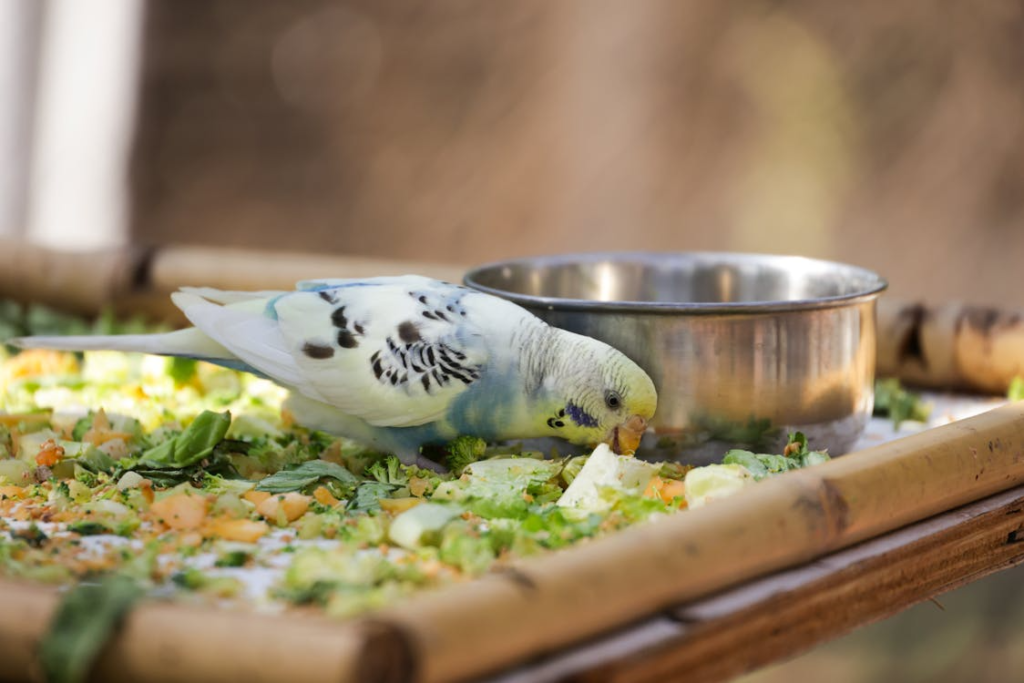
Filming wildlife feels like catching a slice of nature right in motion.
And it’s not limited to deep woods or remote hikes. Sometimes the best shots come from your own backyard. Picture filming a squirrel balancing on a fence, tail flicking. Or a raccoon washing its paws in a rain puddle. Small moments like that feel rare and wild.
Sharing these clips on Instagram or TikTok spreads joy and teaches others about the creatures living nearby.
Still, posting them can reveal more than you think. Details like street signs, house numbers, or even shadows can trace a location. And that can invite unwanted visitors, both human and animal… pun intended!
So, here’s how to post those backyard wonders while keeping your privacy safe.
When Backyard Wildlife Becomes a Home Problem
First things first, filming wildlife in your backyard means one thing. They live nearby. There’s a risk they might get inside your house and wreak havoc.
Squirrels chew through soffits and wiring. Raccoons tear up insulation. Even a single mouse can start a chain of damage that spreads fast. Droppings bring bacteria, fleas, and allergens that harm air quality. Fire hazards rise when critters gnaw on electrical lines.
Local expertise becomes crucial.
While filming wildlife in your backyard is exciting, it can also reveal hidden visitors that may damage wiring, insulation, or leave hazardous droppings behind. When those animals cross from “interesting to watch” into “inside your walls,” homeowners in Middle Tennessee often turn to wildlife removal Nashville specialists to handle the problem humanely. These professionals focus on animals like squirrels, raccoons, and other nuisance wildlife, sealing entry points and installing deterrents so you can enjoy filming without worrying about what’s happening indoors.
Turning Off GPS Tags Before Recording
Among the things you can do to protect your privacy, switching off location services comes first. Most phones and cameras log GPS data automatically. That tag sits inside every frame until removed.
Go into your camera settings and disable geotagging before you film. Doing that keeps your wildlife moments free of traceable coordinates from the very start.
Stripping Hidden Data Before Uploading
Before you post a clip, check its file details. Every photo or video carries EXIF data that can expose location or device info.
Use a free metadata remover or privacy app to clean that data. It only takes a few seconds. Once stripped, the clip becomes safer to share, with no digital trail leading back to your home.
Editing Out Identifiable Backgrounds
Sometimes the smallest details give away a lot. A house number… maybe a mailbox. Even a familiar fence pattern can reveal location fast.
Blur those elements before posting. Tools like CapCut or DaVinci Resolve let you mask or soften parts of a frame in seconds. A quick crop or blur filter helps your clip focus on the wildlife, not where you live.
Smart Captioning Without Giving Away Clues
Captions feel harmless, yet they often leak location hints. Mentioning your city, a nearby park, or even the season can help someone trace where you live.
Keep text simple and focused on the animal’s behavior instead. Quick and clever, captions that get likes don’t have to reveal much.
Something like “curious raccoon at work” tells a story without saying where it happened. And that balance keeps your posts both fun and private.
Private Sharing Settings That Work
Most social apps now include tighter privacy tools. You can post to a Close Friends list or keep stories visible only to selected followers.
That way, curious strangers never see your backyard or neighborhood. Think of it as showing your wildlife moments to a trusted circle instead of a public stage. Safer sharing still keeps the fun alive.
Timing Your Uploads for Added Privacy
Like most people, you might prefer posting in real time. It seems harmless, and most times it is. But it often tells more than you think. A clip uploaded right after filming signals you are home and nearby.
Instead, wait a few hours or even a day before sharing. Delayed posts make tracking patterns harder for strangers or automated bots. The small pause keeps your content authentic while adding a quiet layer of safety.
Conclusion
Keeping your wildlife videos private protects both you and the animals you film. Simple steps make a real difference. Think before you post. Adjust a few settings. Respect boundaries, digital and natural. It’s how you turn every upload into something safer and more mindful.