
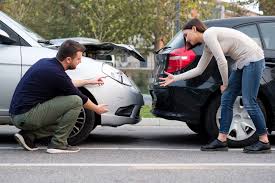
Brake-checking is one of the most dangerous forms of aggressive driving on California roads. It happens when a driver intentionally slams their brakes to “teach a lesson,” retaliate, intimidate, or assert dominance in traffic. While most people assume the rear driver is automatically at fault in a rear-end crash, brake-check collisions are one of the clearest situations where that presumption can flip entirely.
When a driver deliberately causes a collision, it becomes a case of negligence — or sometimes reckless driving — by the front driver. But proving brake-checking is not always easy. This is where help from an experienced rear end accident attorney becomes critical for establishing what really happened and holding the right person responsible.
What Brake-Checking Looks Like on the Road
Brake-checking is not a normal, reasonable stop. It is a hostile maneuver typically seen when:
- A driver believes someone behind them is following too closely
- There is tension after a merge, lane change, or honking incident
- The front driver wants to assert control in traffic
- Road rage escalates and someone tries to intimidate the trailing driver
The driver ahead taps or slams the brakes with no traffic-related reason — often on a highway, in fast-moving lanes, or during heavy congestion. The trailing driver may have no realistic way to avoid impact, which is why these collisions often cause more serious injuries than typical rear-end crashes.
When Brake-Checking Flips the Fault Onto the Front Driver
California law requires drivers to act with reasonable care. Sudden, intentional braking for no legitimate reason violates that duty.
A brake-checking driver may be found at fault when they:
- Hit the brakes aggressively in moving traffic with no hazard ahead
- Brake repeatedly to provoke or punish the trailing driver
- Come to an unnecessary stop in a travel lane
- Purposely cause the rear driver to collide
- Escalate a road-rage situation through aggressive braking
In these scenarios, the rear driver is often the victim, not the negligent party. A skilled rear end accident attorney will gather the evidence needed to show the braking was intentional — not a normal reaction to traffic.
Evidence That Proves Brake-Checking
Because the at-fault driver rarely admits what they did, proving brake-checking relies on objective evidence. An attorney will look for:
Dashcam footage
This is the strongest proof, clearly showing abrupt braking with no hazard ahead.
Traffic or business surveillance video
Many Los Angeles intersections and commercial areas have cameras that capture the maneuver.
Black-box vehicle data
Sudden, forceful brake application at high speed can reveal aggressive behavior.
Witness statements
Drivers nearby often see the brake-checking occur and can confirm it.
Phone or text activity from the front driver
Sometimes brake-checking happens alongside distraction or road rage triggered by phone use.
Damage patterns
Certain impact angles and distances can support the conclusion that the front driver braked hard at the last second.
If the incident is part of a larger road-rage situation, police reports and citations may also support the claim.
Why Insurance Companies Fight Brake-Check Cases Hard
Brake-checking flips the usual narrative, which insurers do not like. They often attempt to push blame back onto the trailing driver by claiming:
- You were speeding
- You were following too closely
- You “should have anticipated” the braking
- You contributed to road rage
- You could have avoided the crash
These arguments are designed to reduce payouts — even when the front driver clearly created the danger. A knowledgeable rear end accident attorney can counter these tactics with evidence, expert analysis, and California case law.
Injuries Caused by Brake-Check Rear-End Collisions
Because the trailing driver often has zero warning, brake-check collisions are typically high-force impacts. Common injuries include:
- Severe whiplash
- Herniated or bulging discs
- Spinal strain and nerve compression
- Head injuries or concussion
- Shoulder and wrist trauma from bracing
- Knee injuries from dashboard impact
- PTSD, anxiety, or fear of driving
These injuries can take months of care to properly diagnose and treat.
What Compensation May Be Available
If a driver’s aggressive braking caused your collision, you may be able to recover compensation for:
- Emergency medical care
- Follow-up treatment, physical therapy, or pain management
- Lost wages
- Reduced earning ability
- Pain and suffering
- Emotional distress
- Vehicle and property damage
- Long-term care needs if injuries persist
An experienced attorney can calculate the full impact of the crash on your health, finances, and daily life.
What To Do After a Brake-Check Collision
If you suspect the front driver brake-checked you, it is essential to protect your claim. After the crash, try to:
- Record everything you remember about the driver’s behavior
- Photograph the scene, traffic conditions, and vehicle damage
- Look around for businesses or parking lots with cameras
- Get witness names and contact information
- Seek medical treatment immediately
- Avoid arguing or discussing fault at the scene
- Do not give recorded statements to insurance companies
- Contact a rear end accident attorney as soon as possible
The sooner you get legal help, the more evidence can be preserved before it disappears.
Speak With a Rear End Accident Attorney Today
Brake-check collisions are dangerous, deliberate, and often legally complex. You should not be blamed for an accident someone else engineered through aggression or road rage.
The team at Bojat Law Group investigates these cases thoroughly, uncovers the truth behind sudden braking, and fights for full compensation on behalf of injured drivers.
You pay nothing unless the firm wins your case.
To speak with a skilled rear end accident attorney in a free, confidential consultation, call (818) 877-4878 today.